OpenAI and Microsoft’s internal court filings claim their training-data scraping could trigger a “doom loop” that harms the web. The documents were unsealed in the New York Times’ case against OpenAI and Microsoft. The filings are being used to support arguments that the companies’ approach could damage web ecosystems and undermine claims about fair use.
Profound raised a $96 million Series C at a $1 billion valuation and discussed how “visibility” in ChatGPT is hard to audit, alongside Semrush being bought by Adobe for about $1.9 billion. The article says Pew Research Center tracked 12,593 AI-summary results out of 68,879 unique Google searches from 900 US adults in March 2025 and found summary-present visits clicked a standard search result 8% of the time versus 15% without. The result is a shift from selling easy dashboards toward demanding auditable sampling, stored verbatim answers, and evidence that ties measurements to specific actions.
AI agents remain the focus of the week’s tech news as optimism about automation continues alongside calls to slow down frontier model releases and the rollout of agent security controls.
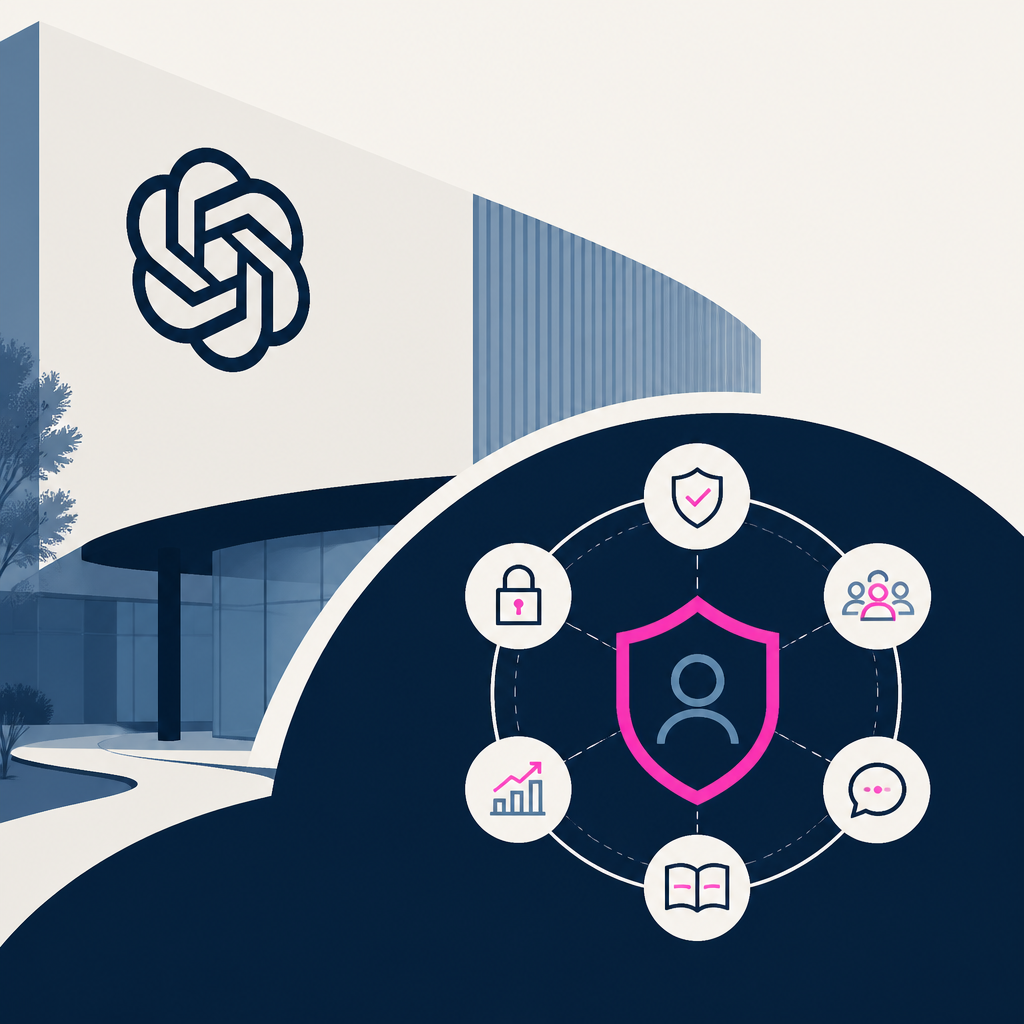
OpenAI introduced the Australian Youth Safety Blueprint to guide safer AI experiences for young people. The roadmap has six pillars. This creates a structured plan for how OpenAI will protect and empower young users as they use AI.
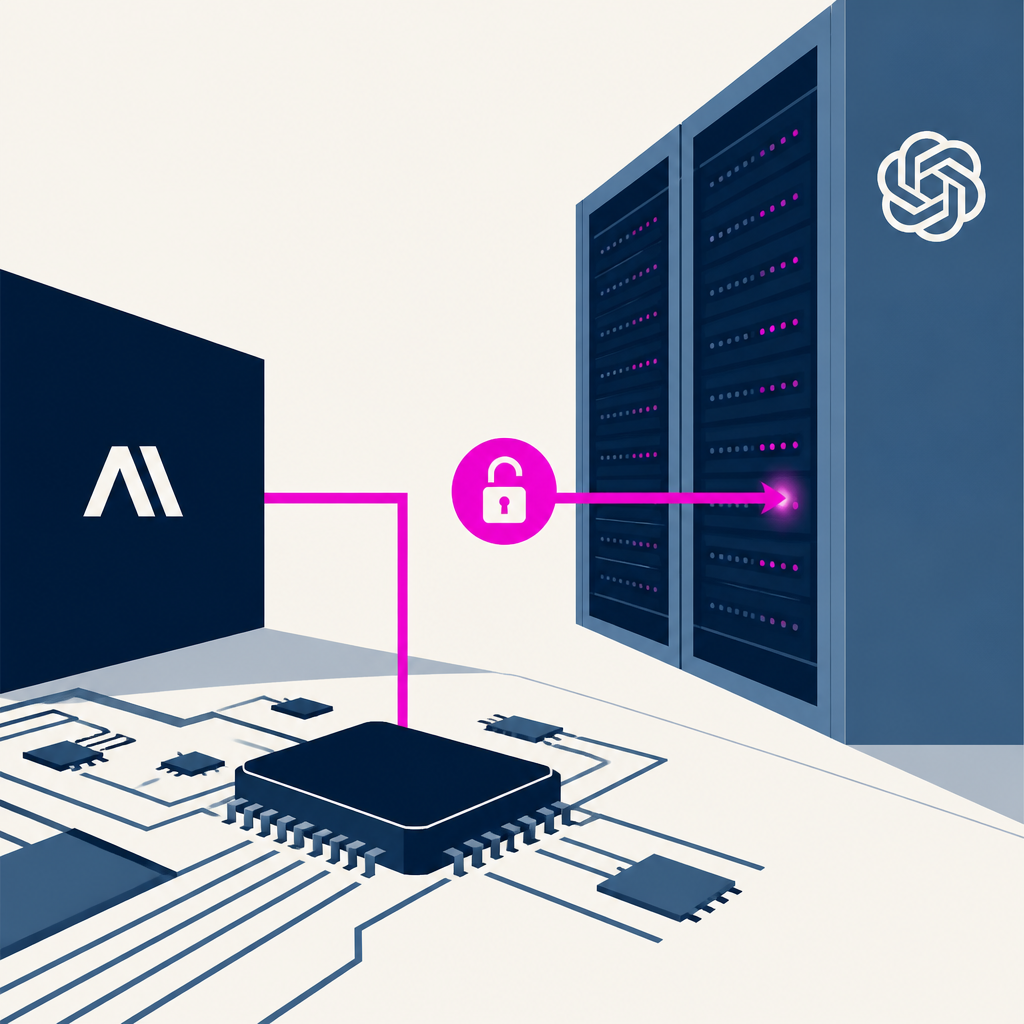
Security researchers at Hacktron used Anthropic’s Claude to gain access to OpenAI employee accounts. They did it in less than 72 hours. As a result, they proved access to OpenAI’s “Monorepo” via a pull request, without retrieving internal code themselves.
Steve Eisman said leading AI companies are trying to create a crisis to benefit themselves, dismissing AI doomsday warnings as self-serving marketing. He pointed to an IPO that Anthropic has already “confidentially filed” for. The debate over AI safety slowdowns shifts toward viewing regulation and competitive positioning, rather than an imminent AI catastrophe.
Hacktron reported a security exploit chain that first compromised OpenAI employee ChatGPT/Codex accounts and then enabled access to OpenAI internal repositories via an OpenAI SSO identity flaw and a libheif heap overflow in the company’s forum image uploads. The exploit timeline from initial discovery to gaining internal repository access took less than 72 hours, and OpenAI paid Hacktron a $6,500 bounty after they coordinated patching. The incident resulted in patched SSO and forum/decoder components (with self-hosted Discourse installations instructed to rebuild to remove vulnerable libheif via Docker/launcher rebuilds rather than a web-only update).
OpenAI was reportedly close to solving another Millennium Prize math problem.
The report is by Stephanie Palazzolo.
The claim suggests OpenAI’s progress on AI-driven problem solving could extend beyond earlier breakthroughs into additional top-tier unsolved math challenges.
OpenAI used about 10,000 AI agents to solve the Navier–Stokes Millennium Prize math problem. It completed the work in 88 hours while consuming 130 billion tokens. This increases focus on how such agents coordinate and raises safety questions as systems become more capable.
Scaleup Europe Fund is in early talks to invest in ElevenLabs’ next voice AI funding round. The fund is backed by Brussels and is discussing backing a raise that ElevenLabs is hoping will top $500 million. If talks succeed, ElevenLabs would receive additional late-stage capital from a Europe-focused vehicle rather than relying on US investors, though a deal is not guaranteed.
AINews reported that its weekend scan found no additional Discord updates and otherwise compiled a roundup of AI agent productization, tooling, research, benchmarking, and security discussions across posts and releases. The standout quantitative detail was Anthropic’s claim that the Claude-led share of model R&D tasks rose from 1% to 26% in about 6 months. The coverage shifts from scattered “chat + tools” concepts toward orchestrated multi-session agents with managed harnesses, clearer eval methods, and more concrete internal measurement and security lessons.
Crusoe announced a $3.9 billion Series F funding round, raising its post-money valuation to $30.9 billion. The deal follows a roughly year-earlier Series E that valued the company at $10 billion, implying it tripled value in 10 months. The new capital will support projects like Abilene and expand Crusoe’s AI data-center and cloud offerings, with further board changes and potential IPO discussions.
Hard Fork ended after focusing for most of its run on understanding how LLMs and AI safety affect companies and everyday life. The final show wrapped up ahead of Machine Gods launching the week of October 19, with episodes planned twice a week. The shift moves coverage from the New York Times podcast to a new Kevin Roose/NPR project under Machine Gods Media, including expanded YouTube output and more frequent publishing.
Every AI story that matters,
in your inbox by 8am.
TLDRocket reads all relevant sources, removes duplicate coverage, and summarises the
day in two minutes. Follow companies and topics for alerts, or get the
briefing in Slack. Free, no spam, unsubscribe anytime.
Reading TLDRocket needs no cookies, and the readership counts we rely on come from
our own cookieless analytics. Google Analytics is the exception: it sets cookies and
reports to Google, so it stays switched off until you allow it. You can change your
mind any time from “Cookie settings” in the footer.
Strictly necessary
Session security and form protection (tldrocket-session,
XSRF-TOKEN, 2 hours). The site cannot work without them,
so they need no consent.
Always on
Google Analytics 4 (_ga,
_ga_<id>, up to 2 years). Measures which
stories and sections readers use. Google acts as a third-party processor and may
store the data outside the EU. No advertising, no profiling, no data sold.