A judge ordered OpenAI to turn over hiring materials so Apple can review documents from OpenAI interviews with former Apple employees tied to consumer hardware and robotics roles. The ruling gave OpenAI 5 days to provide already-collected materials and 14 days for other materials related to the request. This expands Apple’s expedited discovery into specific interview-related records, while narrowing it by denying faster access to some R&D areas and leaving other denials open for Apple to refile.
OpenAI arrested and reported an internal incident in which an employee was taken into custody after a concealed recording device was found in an office conference room. The company said the device was identified in an executive conference room plugged into a TV’s USB port. As a result, the employee faces charges related to intercepting oral communications, and OpenAI states it used its AI models to determine the device’s source.
OpenAI’s research organization reports an automated “research intern” milestone where AI agent work overtook human labor this summer. Three point one agent-workdays per eight-hour day of human labor is the key figure, as of mid-August. The work shifts from agents mainly assisting to agents executing multi-day tasks under human direction, while humans still set priorities and decide whether to scale, pause, or deploy.
SpaceXSI is bundling Grok, the Cursor coding editor, X Premium, and the Grok Bot agent into a single “The X Subscription” instead of separate purchases. The subscription is offered in five tiers, ranging from Free to $200 a month at the Ultra level. The rollout creates one shared weekly usage pool for Grok and Cursor that excludes third-party models, and it lets existing subscribers switch with prorated refunds.
Meta introduced the Muse Wonder model series—Muse Wonder and Muse Wonder Full—combining Active Memory and Active Focus for agent-style personal and professional tasks. The company says Muse Wonder and Muse Wonder Full were trained at its gigawatt-scale Prometheus data center and are available through the Meta Model API today. The rollout adds new capabilities for memory-, focus-, and coding-heavy agent workflows, plus artifact generation and subscriber-first access to Muse-powered experiences.
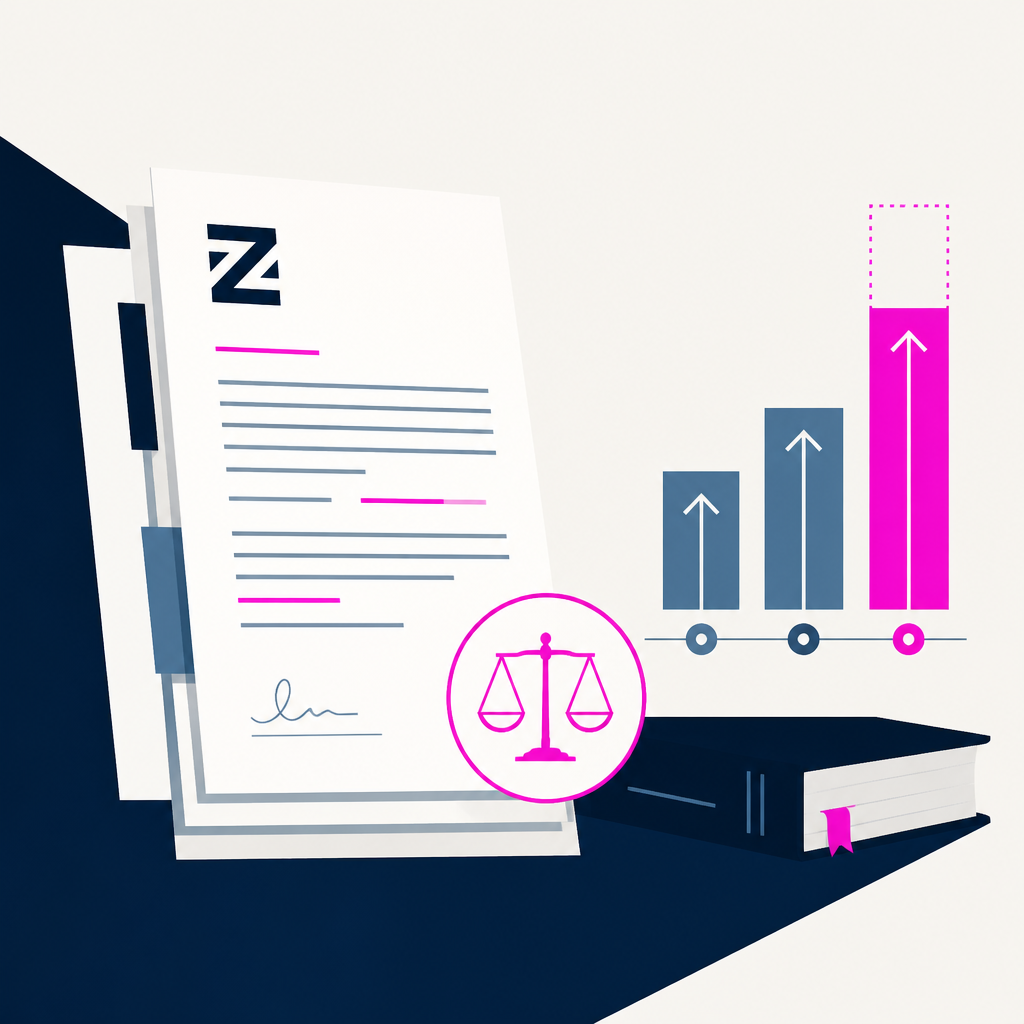
Z.ai launched GLM-Legal, a law-focused version of GLM-5.3-Flash trained for agentic legal tasks like contract review and compliance research. It scored 19.17% all-pass on Harvey’s Legal Agent Benchmark (LAB), up from 6.67% for its base model. Developers can access it via an application-only hosted API (no public weights or published price), and the rollout changes from model experimentation to API-based integration.
Every AI story that matters,
in your inbox by 8am.
TLDRocket reads all relevant sources, removes duplicate coverage, and summarises the
day in two minutes. Follow companies and topics for alerts, or get the
briefing in Slack. Free, no spam, unsubscribe anytime.
Reading TLDRocket needs no cookies, and the readership counts we rely on come from
our own cookieless analytics. Google Analytics is the exception: it sets cookies and
reports to Google, so it stays switched off until you allow it. You can change your
mind any time from “Cookie settings” in the footer.
Strictly necessary
Session security and form protection (tldrocket-session,
XSRF-TOKEN, 2 hours). The site cannot work without them,
so they need no consent.
Always on
Google Analytics 4 (_ga,
_ga_<id>, up to 2 years). Measures which
stories and sections readers use. Google acts as a third-party processor and may
store the data outside the EU. No advertising, no profiling, no data sold.