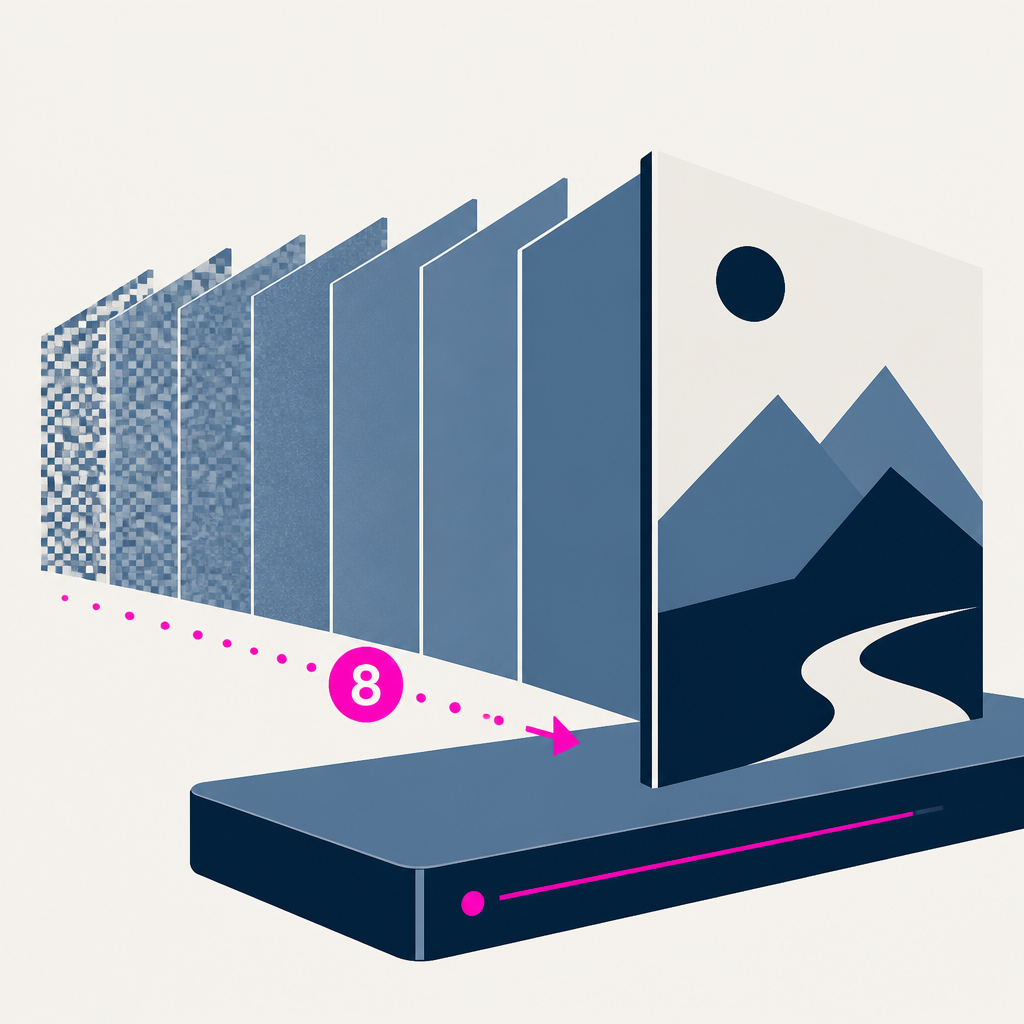
Alibaba’s Qwen team released Qwen-Image-2.1-Turbo, an accelerated open-weight image generation and editing checkpoint built on Qwen-Image-2.1. The model generates in 8 denoising steps instead of the base model’s 40 default. Developers can run 2K text-to-image and multi-reference editing via Diffusers (or use a hosted API), with Turbo priced at CNY 0.1 per image but research-licensed weights that require separate permission for commercial self-hosting.
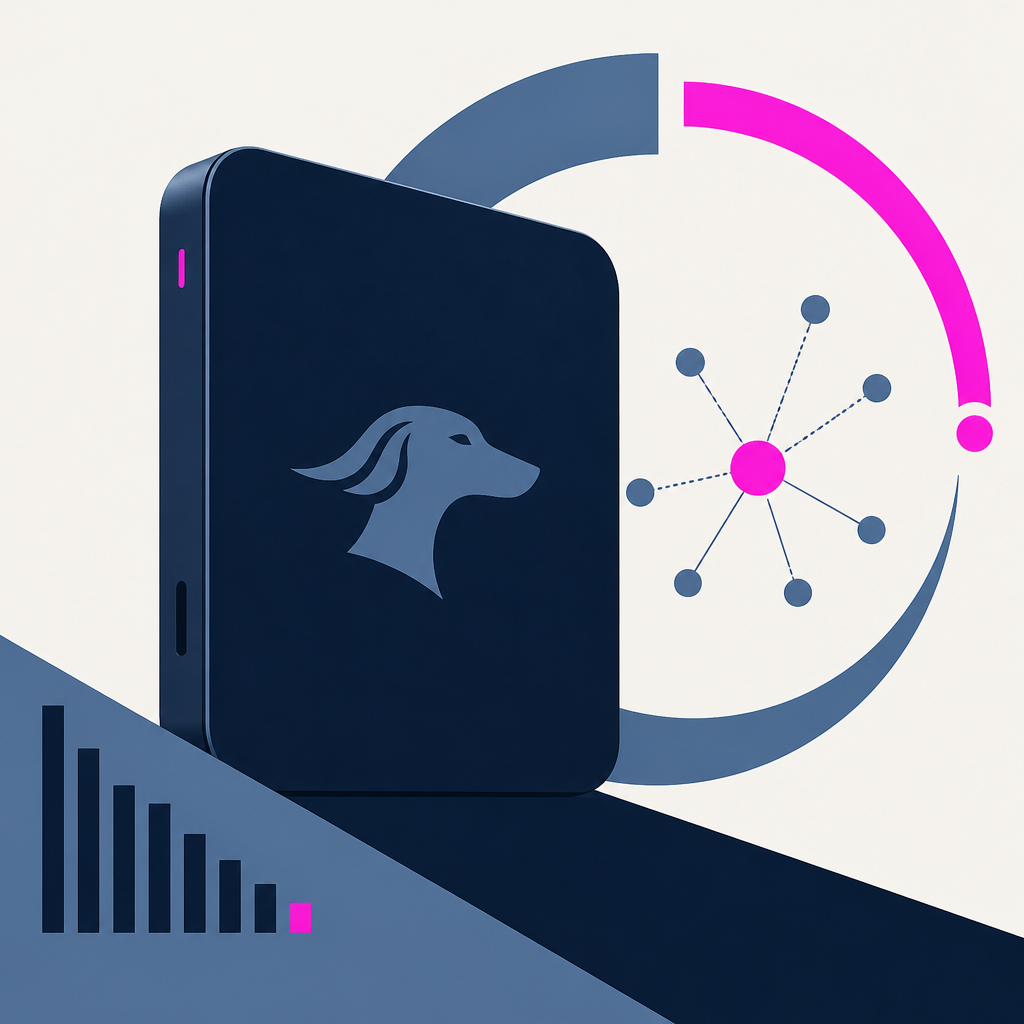
Underdog released Saluki 27B, a 2-bit GGUF version of Qwen3.8-27B designed for on-device agent tool calling under an Apache 2.0 license. It shrinks storage to 7.89 GB versus 54 GB for the full BF16 model while reporting 42 versus 35 parallel tool calls. The compression targets tool-use performance, so tool-calling improves relative to the full model while math and multi-step reasoning drop by about 12 to 18 points.
Percona CEO Peter Farkas urged developers to distinguish “open weights” from “open source” when discussing AI releases at Open Source Summit Europe. In August, open-weight models made up 56% of tokens processed through Vercel’s AI Gateway and 60% of US-originating token consumption on OpenRouter. The push is leading to renewed debate over open-source AI definitions and criteria, including OSI’s plan to reopen discussions and run a fellowship to build consensus.
PocketWebTools launched PocketWebTools for Mac, a single Mac app for running on-device AI tools like chat, transcription, and video clip editing using open models. It runs open models up to 35B parameters on Apple Silicon and costs $99 once. The result is local-only AI functionality on Macs with no account and files that never leave the device.
Every AI story that matters,
in your inbox by 8am.
TLDRocket reads all relevant sources, removes duplicate coverage, and summarises the
day in two minutes. Follow companies and topics for alerts, or get the
briefing in Slack. Free, no spam, unsubscribe anytime.
Reading TLDRocket needs no cookies, and the readership counts we rely on come from
our own cookieless analytics. Google Analytics is the exception: it sets cookies and
reports to Google, so it stays switched off until you allow it. You can change your
mind any time from “Cookie settings” in the footer.
Strictly necessary
Session security and form protection (tldrocket-session,
XSRF-TOKEN, 2 hours). The site cannot work without them,
so they need no consent.
Always on
Google Analytics 4 (_ga,
_ga_<id>, up to 2 years). Measures which
stories and sections readers use. Google acts as a third-party processor and may
store the data outside the EU. No advertising, no profiling, no data sold.