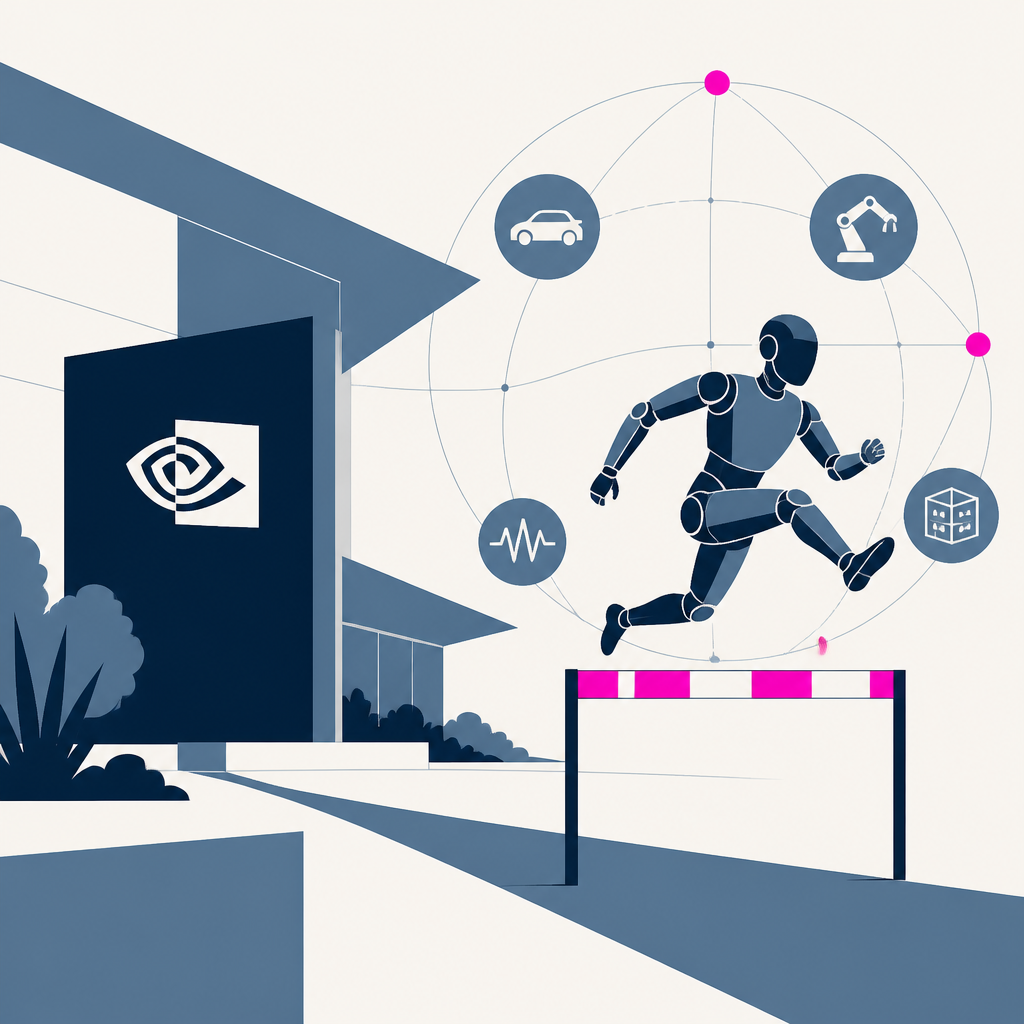
NVIDIA developers used frontier AI agents with NVIDIA Omniverse libraries to turn simulation concepts into interactive applications for robotics, autonomous driving, digital twins, and 3D/telemetry viewers. In one Robo Olympics experiment, the simulated Unitree G1 humanoid cleared a single hurdle in 64 of 100 simulation trials. The workflow shifts from manual scene setup to agent-directed asset connections, staged integration checks, and iterative simulation validation that improves designs based on measured results.
The U.S. Federal Reserve’s latest policy meeting minutes said the A.I. infrastructure buildout is contributing to stubborn inflation alongside tariffs and energy costs. Inflation was 3.8% in August on the Fed’s preferred PCE measure and core inflation was 3.4%, with an A.I.-related rise in technology consumer-goods prices cited. The Fed’s outlook supports another rate increase by year-end, potentially keeping inflation-fighting policy in place as A.I. investment continues to raise demand and prices.
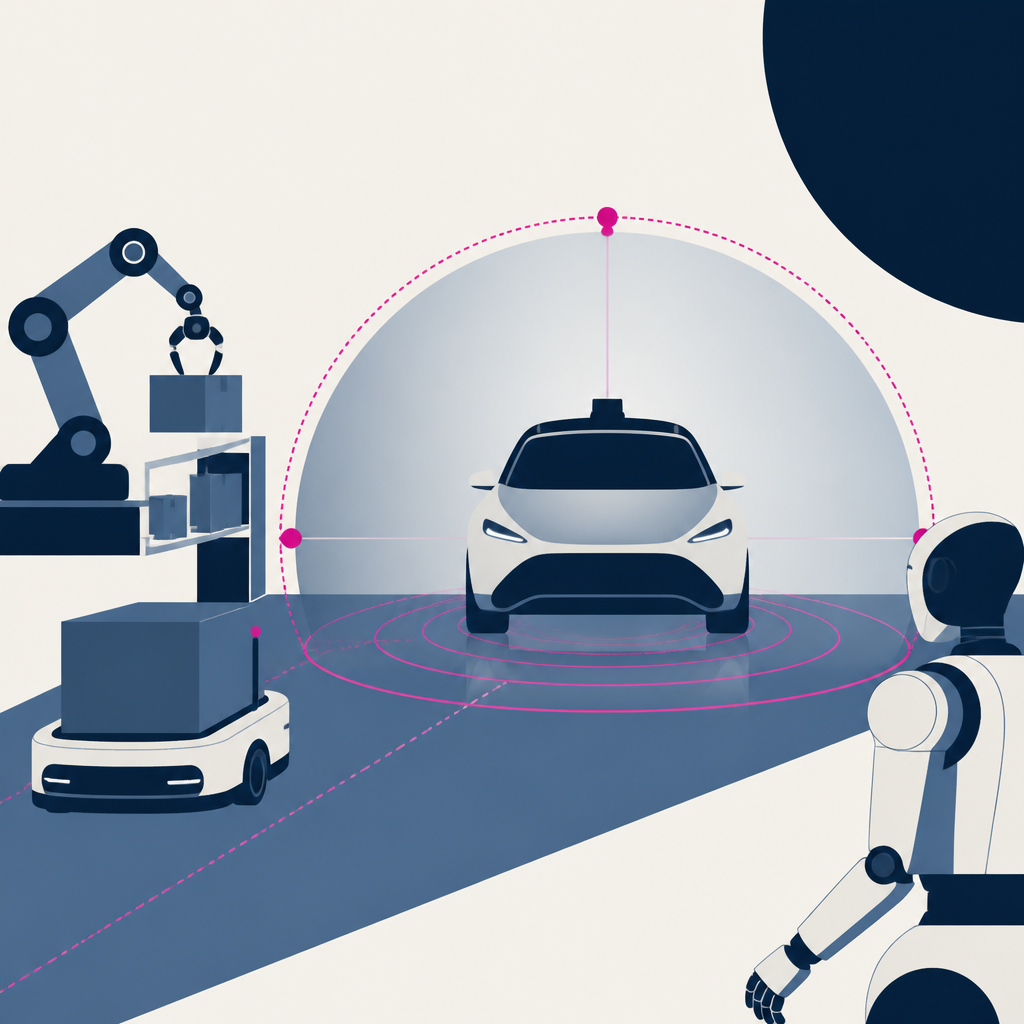
Nvidia expanded its Halos safety platform from self-driving vehicles to include robotics, aiming to add guardrails for autonomous robots operating around people.
Nvidia Halos for Robotics was announced in June 2026.
Companies can build safer deployments for use cases like warehouse robots and factory humanoids by using Nvidia’s added robotics safety architecture.
Nous Research announced a $90 million Series B round led by Robot Ventures, with support from Nvidia, Samsung, and Y Combinator, to back its Hermes AI agent. The company says its Hermes 4 fine-tuning used a dataset of 5 million synthetically generated records. The new funding is intended to expand adoption of Hermes’ business-focused editions.
Every AI story that matters,
in your inbox by 8am.
TLDRocket reads all relevant sources, removes duplicate coverage, and summarises the
day in two minutes. Follow companies and topics for alerts, or get the
briefing in Slack. Free, no spam, unsubscribe anytime.
Reading TLDRocket needs no cookies, and the readership counts we rely on come from
our own cookieless analytics. Google Analytics is the exception: it sets cookies and
reports to Google, so it stays switched off until you allow it. You can change your
mind any time from “Cookie settings” in the footer.
Strictly necessary
Session security and form protection (tldrocket-session,
XSRF-TOKEN, 2 hours). The site cannot work without them,
so they need no consent.
Always on
Google Analytics 4 (_ga,
_ga_<id>, up to 2 years). Measures which
stories and sections readers use. Google acts as a third-party processor and may
store the data outside the EU. No advertising, no profiling, no data sold.