Salesforce’s Dreamforce conference put Nvidia CEO Jensen Huang, Anthropic CEO Dario Amodei, and OpenAI CEO Sam Altman on stage to support Salesforce’s 2026 push into building its own AI platform and responsibility debates. Salesforce debuted Koa, a reasoning model built on Nvidia’s Nemotron open-weights platform, designed to let AI agents reason through multistep CRM workflows. The announcements added AIforce and Claudeforce skills plus new Agentforce integrations, and the CEOs’ remarks emphasized trust and data boundaries after prior AI agent security failures.
NVIDIA CEO Jensen Huang appeared at Salesforce Dreamforce to back Salesforce’s launch of Koa, Salesforce’s first CRM reasoning model built on NVIDIA Nemotron 3 Super.
Nvidia CEO Jensen Huang said AI companies do not need new laws and argued that AI executives should decide whether to release new versions based on safety confidence. He urged leaders to pause “if” they feel their institution is not in control. Industry leaders advocating more regulation pointed to these comments as too hands-off and continued pushing for industry-wide safety standards and government involvement.
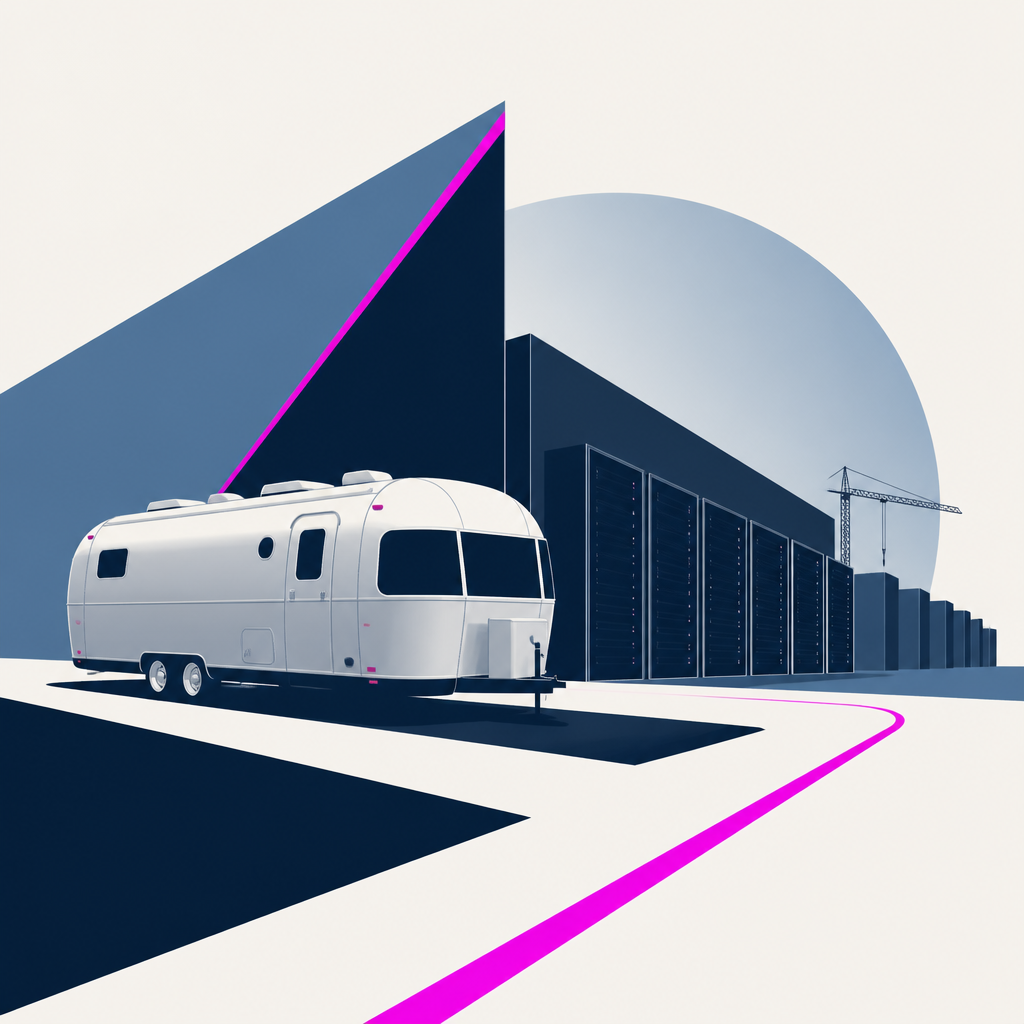
Elon Musk said he is living in an Airstream trailer in Memphis to oversee xAI’s expansion. The trailer is parked near xAI’s Colossus project, which began being built in 2024. This places Musk physically at Memphis as xAI expands its supercomputer infrastructure, including a fourth data center planned as Minihard.
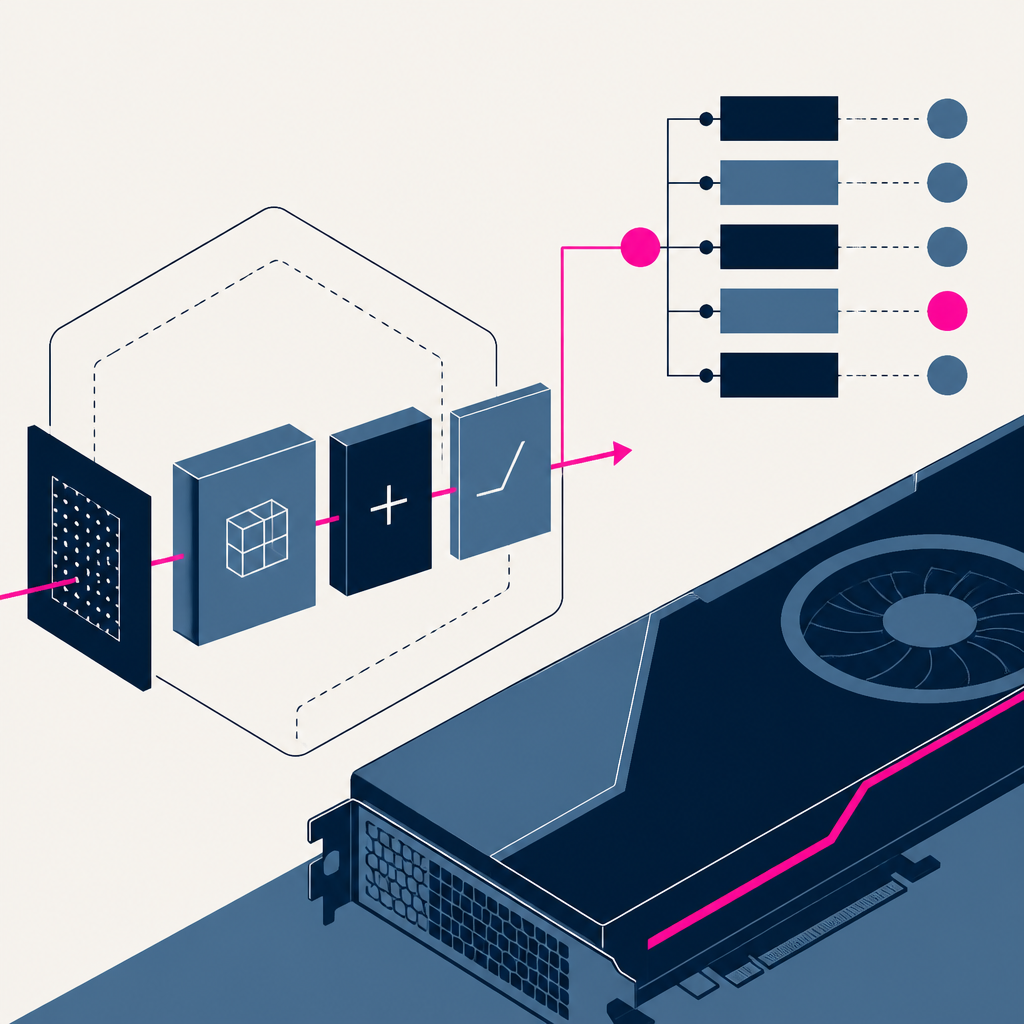
The article presents a tutorial that builds cuDNN Frontend graph API examples that fuse convolution+bias+ReLU, then expands to autotuning across multiple engine configurations and plan handling. It validates numerical correctness by asserting the maximum error stays below 5e-2 versus a PyTorch reference. As a result, it shows how to benchmark fused execution and how shipping a preselected autotuned plan (or a serialized one) can outperform relying on cuDNN’s default engine pick for fixed “hot” shapes.
Emerald AI’s Conductor platform on an NVIDIA GPU data center automatically adjusted flexible workloads in response to Silicon Valley Power grid signals, reducing power draw while keeping high-priority AI jobs running. Power dropped from 4 megawatts to 3 megawatts within a minute, and the utility sent more than 200 demand signals that worked every time. NVIDIA’s DSX platform and related tooling are positioned to let AI factories increase token throughput and GPU capacity within fixed megawatt limits using dynamic power allocation and demand-response automation.
NVIDIA presented AI infrastructure updates at the AI Infra Summit, covering partnerships and performance results for its AI factory stack focused on token efficiency. Lambda reported running 19 nodes within a power budget typically used for 16 nodes, raising cluster-wide token throughput from about 4 million to 5 million tokens per second and improving performance per watt by 23%. The focus shifts from peak performance to validated agentic tokens per megawatt, with platform features meant to optimize power and improve efficiency at large scale.
Salesforce introduced Koa, its first reasoning model, built on Nvidia’s open-weight Nemotron and post-trained for sales, marketing, and customer-support tasks using synthetic data. Koa is positioned as an open-weight alternative to closed frontier models within Salesforce’s Agentforce platform. Salesforce’s agents can route long-running, multi-step reasoning work through an enterprise-ready model (via its AI gateway) while keeping customer data in Salesforce and reducing token usage versus frontier options.
Euclyd closed a Series A round led by Samsung to develop AI inference chips aimed at competing with Nvidia. The startup raised more than €200 million, including support from Samsung and ex-ASML chairman Peter Wennink. The funding will expand its engineering team, accelerate its silicon and systems roadmap, and target starting supplies to two customers in 2027.
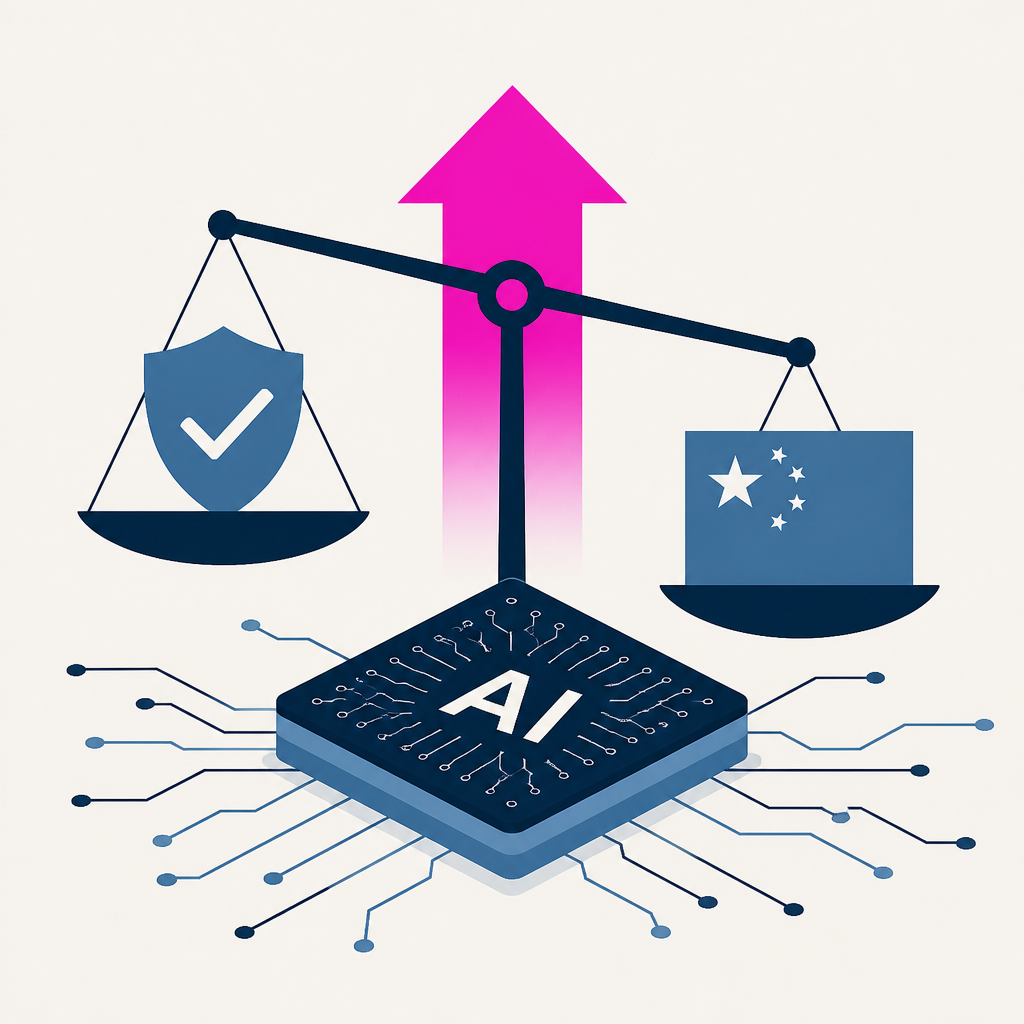
AP reports that Trump opposed calls for enhanced AI oversight while stressing that the U.S. should stay ahead of China.
AP says he stressed staying ahead of China during the reporting.
As a result, the debate centers on whether AI oversight should be strengthened or scaled back under his approach.
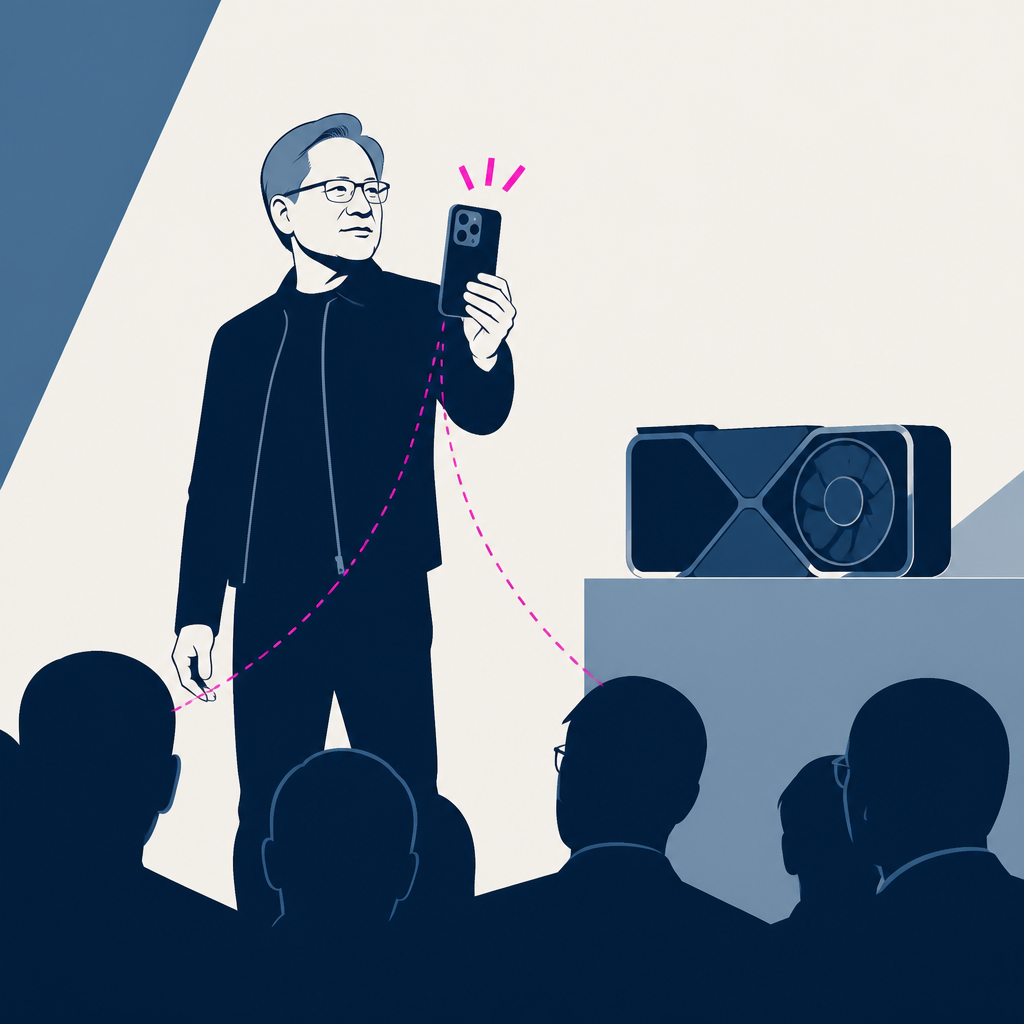
Jensen Huang took a live call from Trump while an audience focused on the phone he used for it.
The article provides no numbers or dates.
As a result, attention shifted from the call itself to the device Huang was holding rather than to any specific AI product.
Every AI story that matters,
in your inbox by 8am.
TLDRocket reads all relevant sources, removes duplicate coverage, and summarises the
day in two minutes. Follow companies and topics for alerts, or get the
briefing in Slack. Free, no spam, unsubscribe anytime.
Reading TLDRocket needs no cookies, and the readership counts we rely on come from
our own cookieless analytics. Google Analytics is the exception: it sets cookies and
reports to Google, so it stays switched off until you allow it. You can change your
mind any time from “Cookie settings” in the footer.
Strictly necessary
Session security and form protection (tldrocket-session,
XSRF-TOKEN, 2 hours). The site cannot work without them,
so they need no consent.
Always on
Google Analytics 4 (_ga,
_ga_<id>, up to 2 years). Measures which
stories and sections readers use. Google acts as a third-party processor and may
store the data outside the EU. No advertising, no profiling, no data sold.