Amazon Web Services released Strands Decider 2B, an open-source decision model inspired by TypeSafe’s Jev that returns calibrated choices instead of generating text. It was released as fully open-sourced software on the same week OpenAI announced a similar offering. The release expands the growing set of decision models and targets agent workflows that can use lower-latency, lower-cost “decider” steps with confidence scores.
AWS’s Strands Labs released Strands Decider 2B, an open-source lightweight decision model aimed at speeding up agentic workflows without generating text. The model is a 2 billion-parameter system designed to run on local machines with less than 150 milliseconds of latency. Developers can now download and run it (and experiment with it for routing, tool selection, and guardrails), enabling “hybrid agents” that use decision models for simple choices and LLMs for more complex reasoning.
Zvi (Don't Worry About the Vase)·2 weeks ago·
22
● 16 sources
Google announced Gemini 4 Argon is rolling out, but access to the model is not available yet. Pricing is set at $2/$10 for Gemini 4 Argon. The situation also follows OpenAI’s release of GPT-6.1 Sol at $2/$10 alongside other model and policy updates, while the lack of Argon access and ongoing safety coordination keep conclusions tentative.
Tavus launched Griffin, its Human Interaction Model for real-time, face-to-face video conversations that can see, hear, and talk during a call. In a live one-minute video call, 48% of participants said they believed they were talking to a real person. Griffin-Lite is being offered as a research preview to selected early testers with full-duplex interaction and 720p generation.
Google announced Gemini 4 Argon, a new frontier AI model, and is rolling it out first to a trusted set of cyber defenders through its Fairwind Program while seeking phased pre-release access via a U.S. government process. It will launch with $2 per million input tokens and $10 per million output tokens (and cached input at 95% off), with the output token limit increased to 1M tokens from 64K. Access will expand gradually beyond the cyber cohort—after safety and guardrails iterations—starting with paid API customers and Google AI Ultra subscribers.
Anthropic released Claude Opus 5.5 while TypeSafe released Jev, a general classification model. Claude Opus 5.5 is priced at $4 per million input tokens via API. Users now get a lower-cost successor model with different data-retention behavior and a separate early-access classification model for tool-friendly decisions rather than open-ended chat.
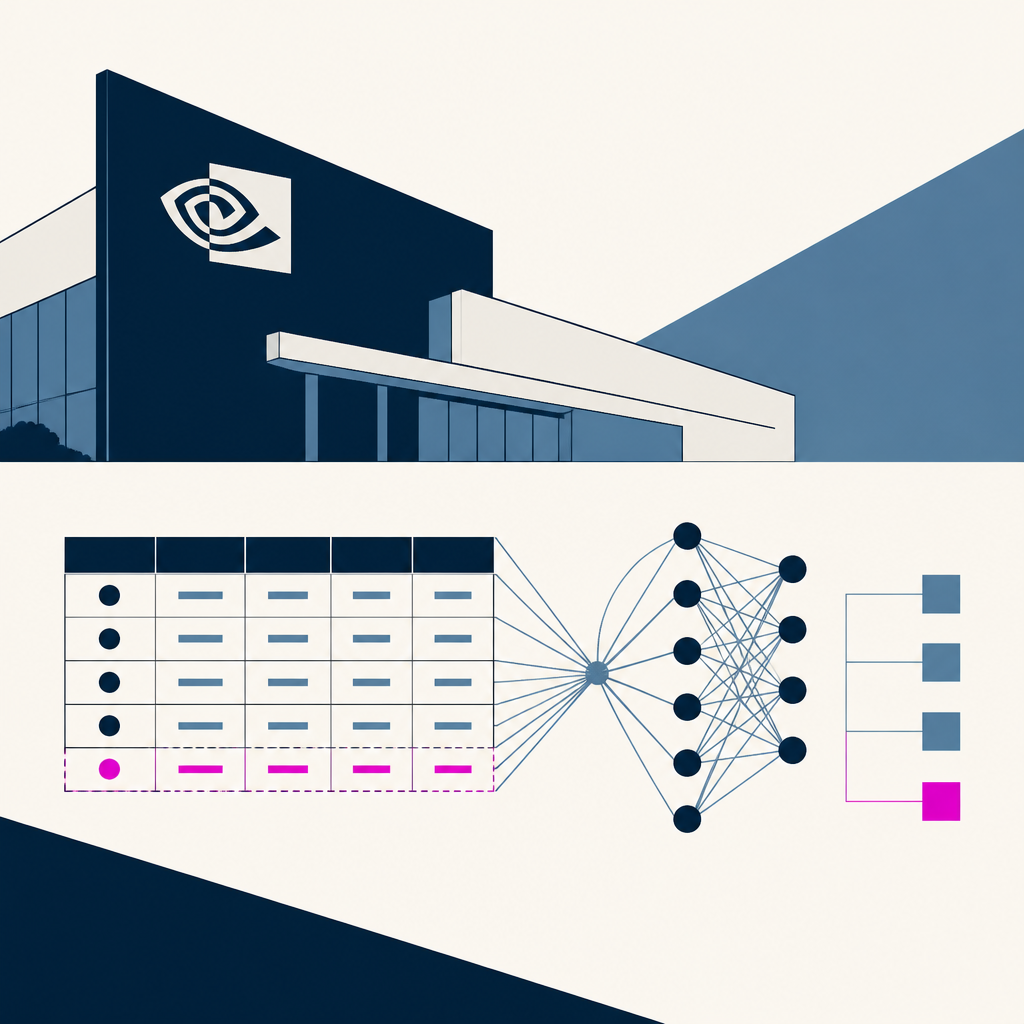
NVIDIA released Kumo Tabular, a new family of tabular foundation models for classification and regression that predicts new rows from labeled context in a single forward pass. The Small/Medium/Large models range from about 28M to 215M parameters. It comes packaged with NVIDIA’s structured-data foundation model (SDM) library and permissive OpenMDW-1.1 weights that allow commercial use, plus reported top benchmark results like an Elo score of 1950 on TabArena.
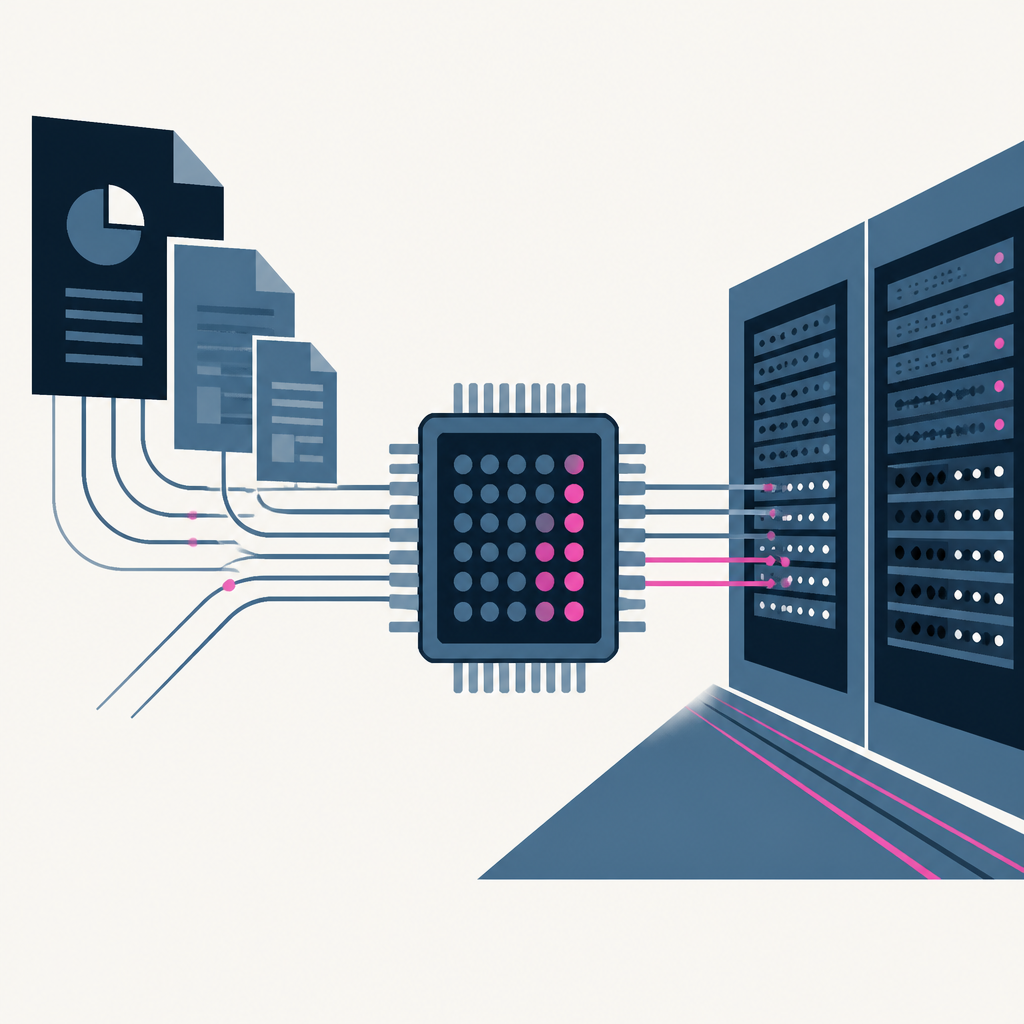
Perplexity Research and turbopuffer released pplx-embed-v2-context-9b-preview, a contextual embedding model for RAG that embeds each chunk while using the full document view. Training used roughly 430 datasets covering over 50 languages, and it can produce 1024- or 2048-dim embeddings with int8 quantization support. This shifts the learning signal from a single “gold passage” label to training that retrieves an answer along with evidence via a teacher–student distillation setup, with self-hosted preview weights on Hugging Face under the MIT license.
Every AI story that matters,
in your inbox by 8am.
TLDRocket reads all relevant sources, removes duplicate coverage, and summarises the
day in two minutes. Follow companies and topics for alerts, or get the
briefing in Slack. Free, no spam, unsubscribe anytime.
Reading TLDRocket needs no cookies, and the readership counts we rely on come from
our own cookieless analytics. Google Analytics is the exception: it sets cookies and
reports to Google, so it stays switched off until you allow it. You can change your
mind any time from “Cookie settings” in the footer.
Strictly necessary
Session security and form protection (tldrocket-session,
XSRF-TOKEN, 2 hours). The site cannot work without them,
so they need no consent.
Always on
Google Analytics 4 (_ga,
_ga_<id>, up to 2 years). Measures which
stories and sections readers use. Google acts as a third-party processor and may
store the data outside the EU. No advertising, no profiling, no data sold.