OpenAI released GPT-6 Astra Ultrafast, powered by NVIDIA Blackwell GPUs, in the OpenAI API and for eligible ChatGPT Work and Codex users. It delivers up to 8x faster token generation than the Astra Standard mode. Developers get quicker edit-test-debug loops and more responsive agent workflows that repeatedly write code, call tools, and iterate.
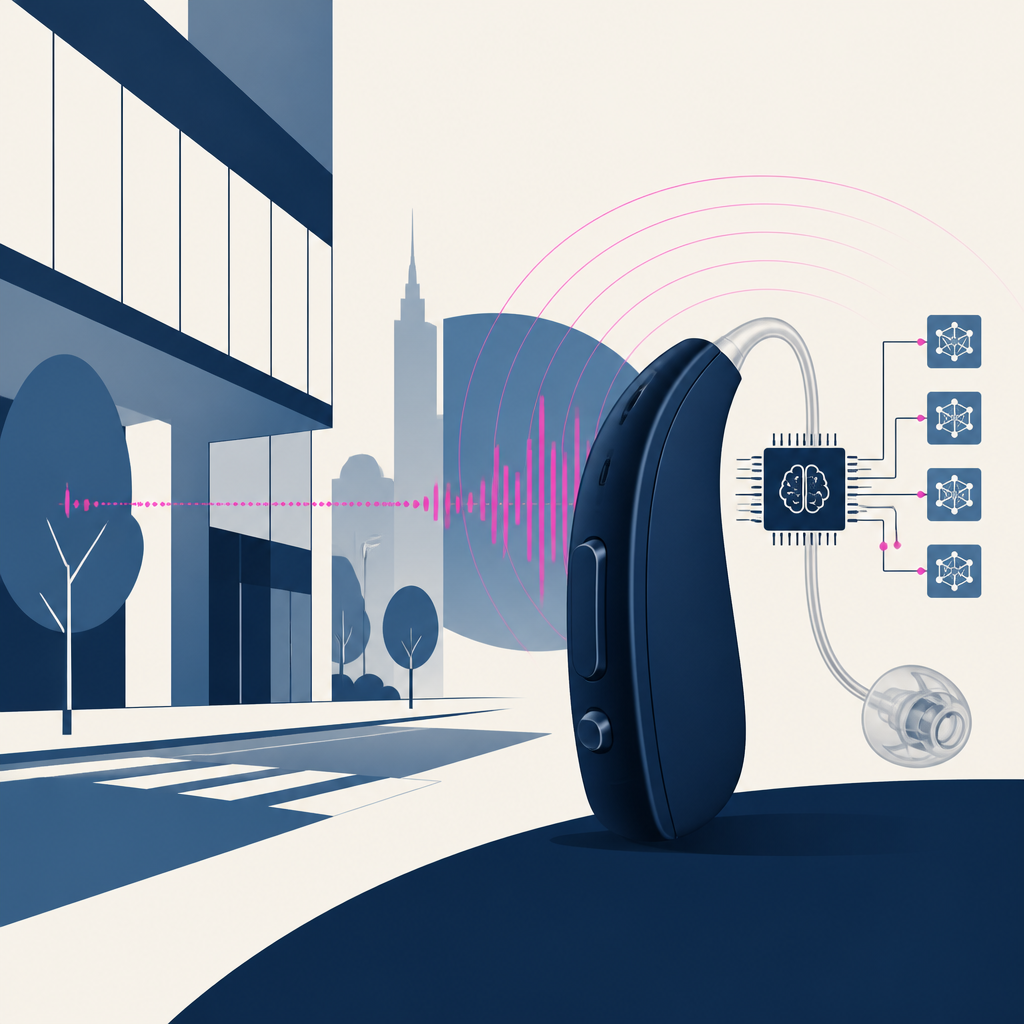
Starkey unveiled the Omega AI+ hearing aid as the successor to its prior Omega AI model, positioning it as a more continuous, wear-all-day option for improving hearing in noise. Its chip runs four deep neural networks at once, and the company says the new device can last 51 hours on a charge. The update expands AI features to stay enabled by default (Edge Mode), adds support for Auracast audio broadcasts, and broadens the lineup to more hearing-aid styles including smaller custom devices.
Google sent a prototype satellite carrying a Tensor Processing Unit into orbit aboard a SpaceX launch to test running AI compute in space for its orbital data-center plans. The update estimates Starship would need about 1,800 launches over 10 years to reach roughly $200 per kilogram launch costs by 2035. If that scaling works, Google’s chip operations and future satellite network are set up to support longer-term, multi-satellite compute workloads in orbit.
Satlyt, founded by a former Google and SpaceX product manager, raised an $8M seed round to build software that runs AI models on satellites instead of building spacecraft. The funding amount was $8 million, and Satlyt’s software is scheduled to launch Thursday on a SpaceX rocket alongside Google’s Project Suncatcher prototype. The company will apply its platform onboard a satellite for AI-driven tasks that cut expensive downlink and aims next to demonstrate shared computing across two satellites as an in-orbit compute cloud.
Every AI story that matters,
in your inbox by 8am.
TLDRocket reads all relevant sources, removes duplicate coverage, and summarises the
day in two minutes. Follow companies and topics for alerts, or get the
briefing in Slack. Free, no spam, unsubscribe anytime.
Reading TLDRocket needs no cookies, and the readership counts we rely on come from
our own cookieless analytics. Google Analytics is the exception: it sets cookies and
reports to Google, so it stays switched off until you allow it. You can change your
mind any time from “Cookie settings” in the footer.
Strictly necessary
Session security and form protection (tldrocket-session,
XSRF-TOKEN, 2 hours). The site cannot work without them,
so they need no consent.
Always on
Google Analytics 4 (_ga,
_ga_<id>, up to 2 years). Measures which
stories and sections readers use. Google acts as a third-party processor and may
store the data outside the EU. No advertising, no profiling, no data sold.