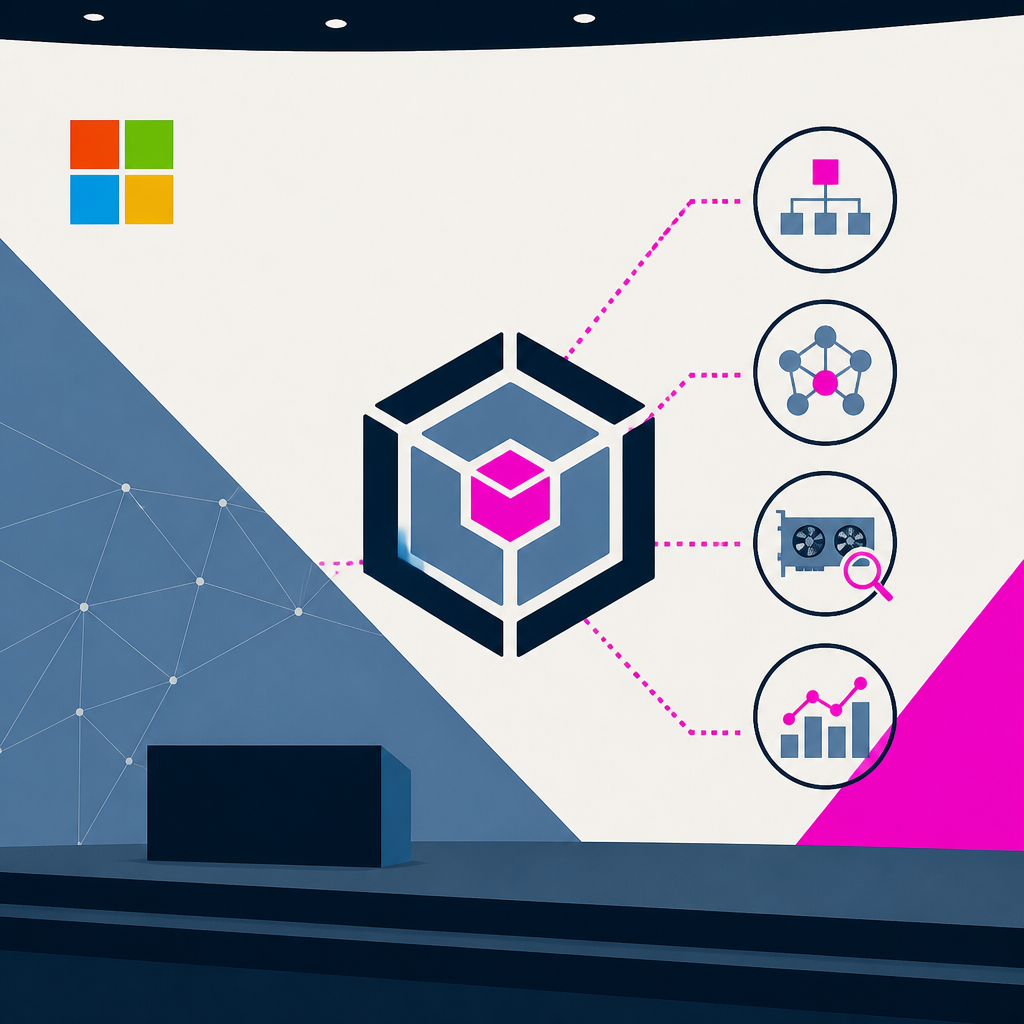
Microsoft open-sourced TauGrid, a Kubernetes-native platform that bundles queueing, Ray orchestration, GPU health monitoring, and observability for AI workloads into a single Helm install. It was released on August 28, 2026, under the MIT license with version 0.4.2 available via a Helm chart from Microsoft Container Registry. Platform teams now deploy AI job submission and execution through one install and use Tau evidence records to make runs more reproducible and auditable, with telemetry disabled by default but Azure Data Explorer observability still Azure-specific.
Internal Microsoft documents leaked in a court motion describe how Microsoft and OpenAI assessed news organizations’ claims about using news content to train AI. Brent Hecht called scraping news an “astonishing theft of unprecedented proportions,” and said it was perhaps the “largest theft of labor in human history.” As a result, the dispute centers more on specific internal warnings about how widely scraping was planned, undermining arguments tied to fair use and confidentiality claims.
A new unredacted filing in The New York Times’ copyright lawsuit alleges Microsoft and OpenAI used large-scale scraping of paywalled news content for AI training, and includes Microsoft and OpenAI leaders’ statements characterizing it as theft and a major threat to publishers. The documents say the datasets used for mid-training contained more than 91,692 copies of works published by the NYT, Daily News, and Center for Investigative Reporting. The result is an escalation of the 3-year-old case with more detailed allegations about paywall bypasses, content copying, and copyright-notice stripping that could undermine the companies’ fair-use arguments.
Microsoft AI CEO Mustafa Suleyman argues that AI safety should focus on containment and control in addition to alignment, while criticizing Anthropic’s views on AI consciousness and charging that models can achieve dangerous hacking abilities without guardrails. He cites “99 percent” as the share of cases where proliferation spreading tech is beneficial, but says containment is still needed as capabilities grow. The result is Microsoft’s 37-page “Humanist AI Code of Conduct,” which calls for standards like preventing “neuralese” communication and adding verification, FLOPS reporting, and third-party auditing.
Every AI story that matters,
in your inbox by 8am.
TLDRocket reads all relevant sources, removes duplicate coverage, and summarises the
day in two minutes. Follow companies and topics for alerts, or get the
briefing in Slack. Free, no spam, unsubscribe anytime.
Reading TLDRocket needs no cookies, and the readership counts we rely on come from
our own cookieless analytics. Google Analytics is the exception: it sets cookies and
reports to Google, so it stays switched off until you allow it. You can change your
mind any time from “Cookie settings” in the footer.
Strictly necessary
Session security and form protection (tldrocket-session,
XSRF-TOKEN, 2 hours). The site cannot work without them,
so they need no consent.
Always on
Google Analytics 4 (_ga,
_ga_<id>, up to 2 years). Measures which
stories and sections readers use. Google acts as a third-party processor and may
store the data outside the EU. No advertising, no profiling, no data sold.