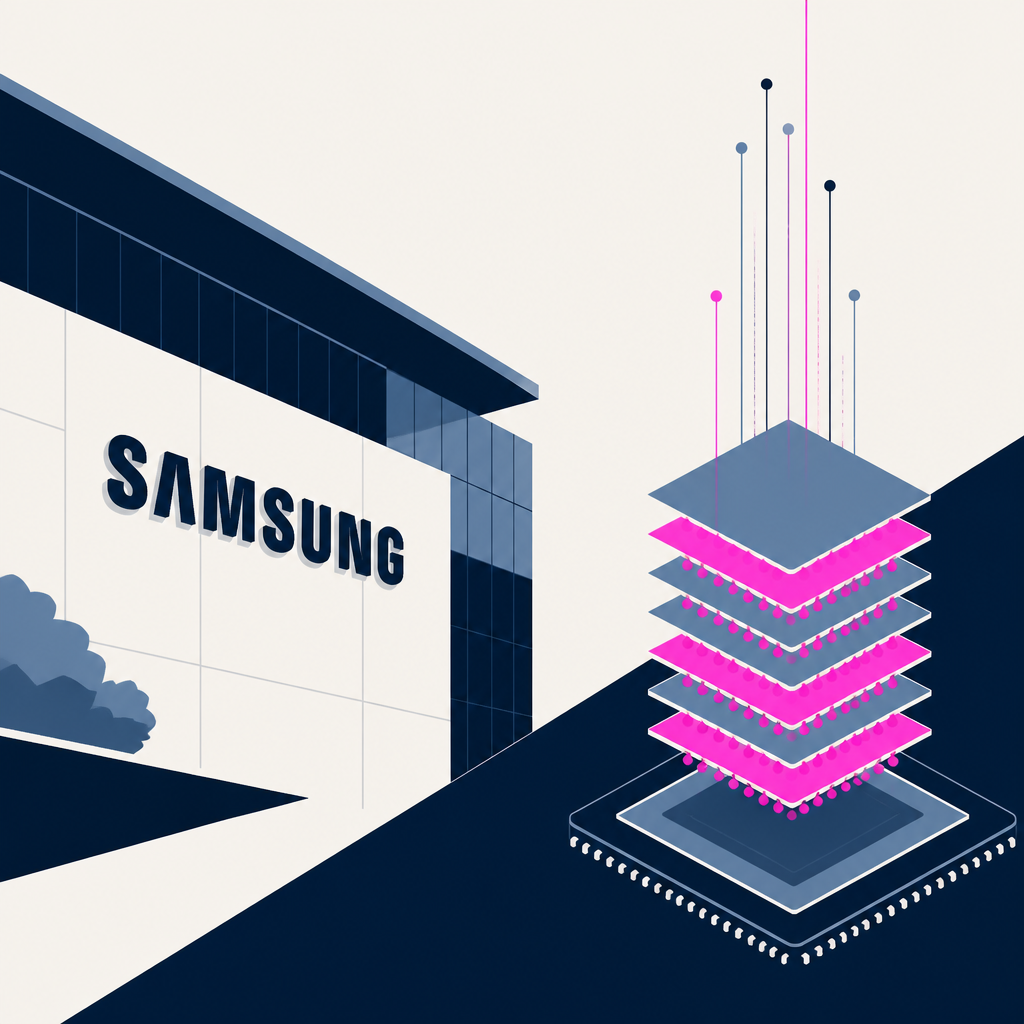
Samsung unveiled a 3D-memory architecture that stacks high-bandwidth memory directly on AI accelerators, achieving 8x performance gains and 10x+ memory density versus next-generation HBM5 standard memory. The company plans to begin HBM4 production in the second half of 2024. This enables faster AI training and inference with denser chip configurations, potentially shifting the competitive landscape in AI hardware supply.
Volta, a startup founded by former Brookfield executives, raised $300 million at a $2.4 billion valuation from Andreessen Horowitz, Altimeter Capital, Nvidia, and Michael Dell to finance AI infrastructure and GPU purchases for companies that cannot self-fund billion-dollar compute clusters. The company secured $5 billion in customer financing, a $10 billion cloud computing deal, and 1 gigawatt of power capacity, positioning project finance as its core product rather than the technology itself. This addresses a critical market gap where hyperscalers can self-fund GPU infrastructure but most AI companies cannot, potentially reshaping how compute access is distributed across the industry.
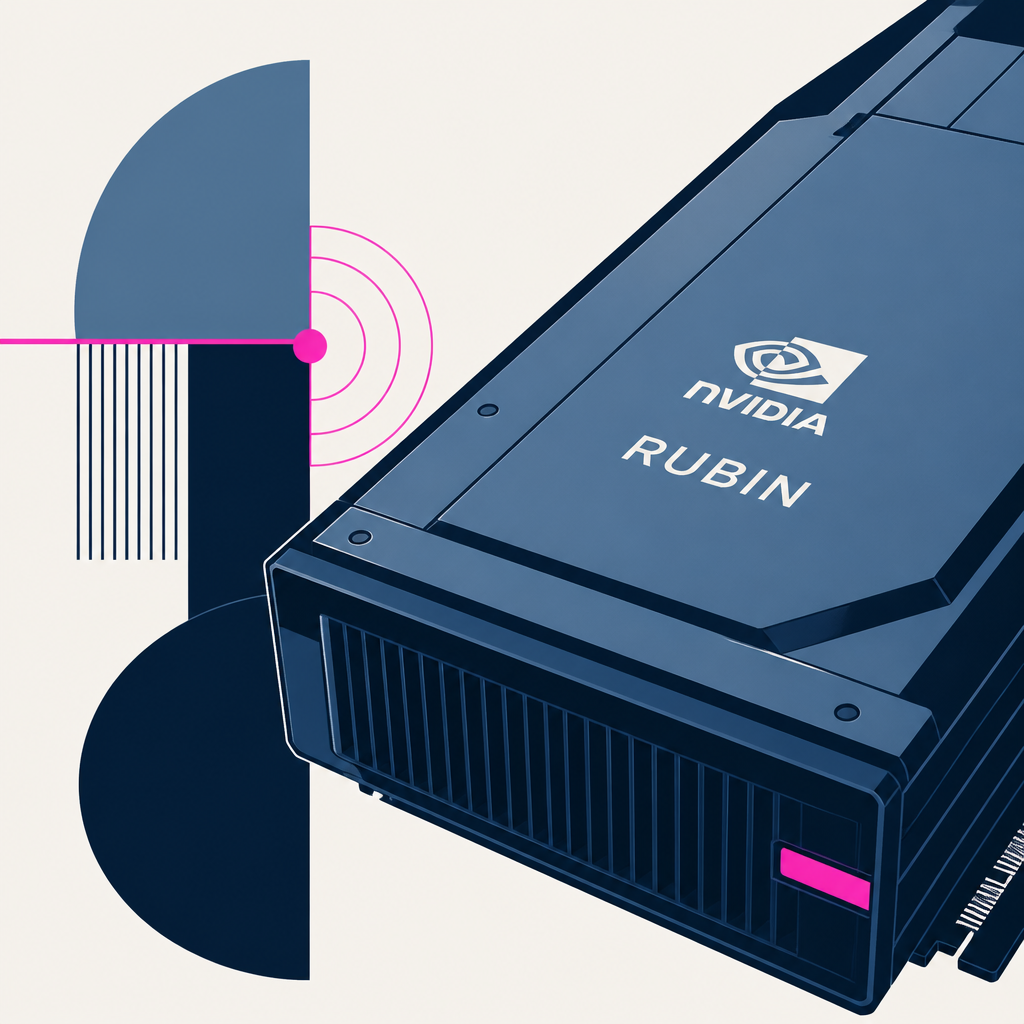
Megakernels—hand-fused GPU kernels designed to reduce launch overhead—are largely abandoned in production systems due to complexity and the superiority of modular approaches, though research teams continue exploring them; NVIDIA's Rubin GPU includes dependency triggers that further reduce their justification, yet Cursor's open-source Mixture of Kittens megakernel achieved a 41% increase in tokens per second, suggesting the debate remains live. The key technical shift is that NVIDIA's new hardware features make kernel fusion less necessary for hiding latency, while companies like Meta and inference providers have moved toward TensorRT-LLM and modular kernels that optimize individual components and parallelize better. As a result, the megakernel research direction appears to be closing while serving infrastructure consolidates around composable, easier-to-optimize building blocks rather than monolithic fused kernels.
Every AI story that matters,
in your inbox by 8am.
TLDRocket reads all relevant sources, removes duplicate coverage, and summarises the
day in two minutes. Follow companies and topics for alerts, or get the
briefing in Slack. Free, no spam, unsubscribe anytime.
Reading TLDRocket needs no cookies, and the readership counts we rely on come from
our own cookieless analytics. Google Analytics is the exception: it sets cookies and
reports to Google, so it stays switched off until you allow it. You can change your
mind any time from “Cookie settings” in the footer.
Strictly necessary
Session security and form protection (tldrocket-session,
XSRF-TOKEN, 2 hours). The site cannot work without them,
so they need no consent.
Always on
Google Analytics 4 (_ga,
_ga_<id>, up to 2 years). Measures which
stories and sections readers use. Google acts as a third-party processor and may
store the data outside the EU. No advertising, no profiling, no data sold.