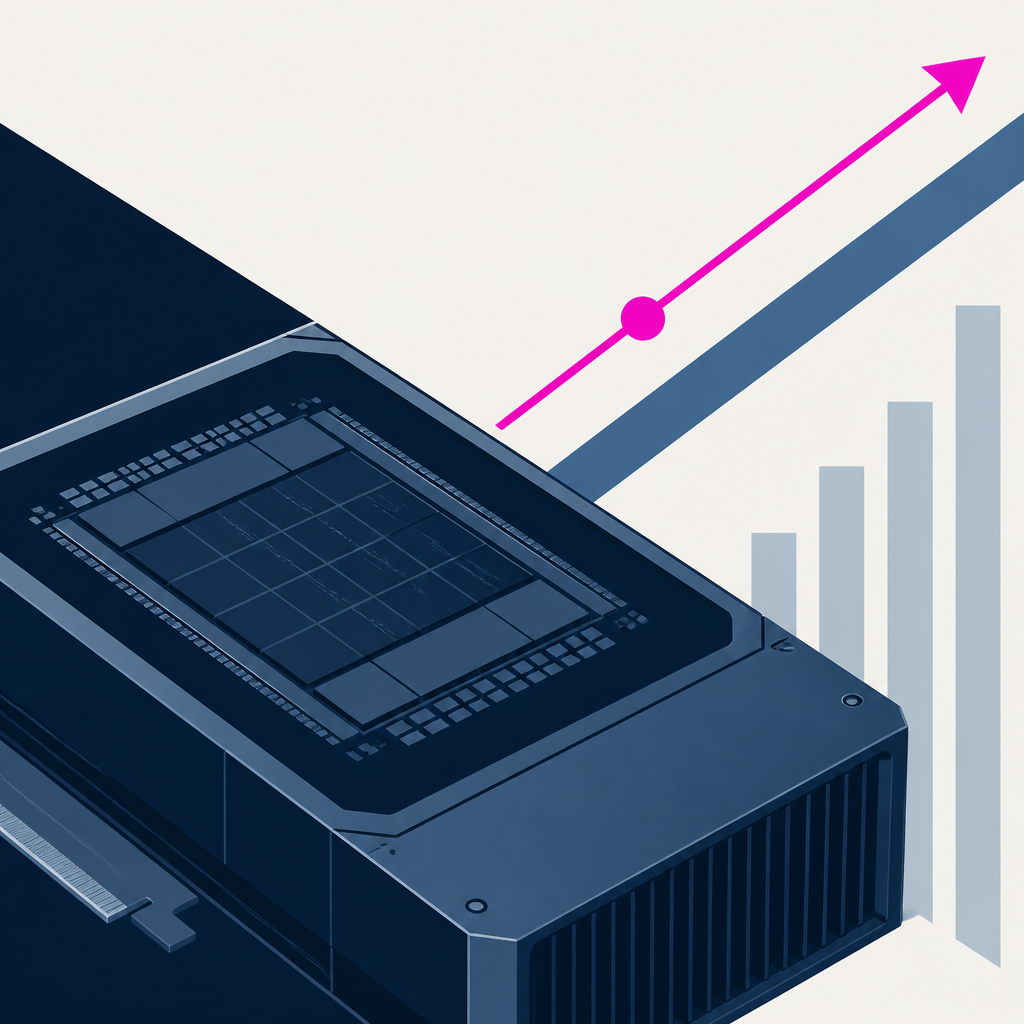
Amazon expanded its partnership with Nvidia by adding another 2 million Nvidia GPU chips to AWS data centers. The additional GPUs are scheduled to arrive in 2027 and 2028, expanding on an earlier plan to deploy more than 1 million Nvidia GPUs starting this year. This deepens Nvidia’s integration across AWS and comes while Amazon continues building its own potentially competing AI chips and services.
theCUBE is set to livestream VMware Explore coverage in Las Vegas to examine how Broadcom has reorganized VMware around VMware Cloud Foundation for private cloud, AI infrastructure, and agentic AI. The event runs Aug. 31–Sept. 2, and Broadcom will discuss VCF 9.1’s security and operational capabilities for AI and Kubernetes-native private cloud. Viewers will get on-site reporting and interviews focused on governing AI agents and defending private clouds against AI-assisted attacks, including a new vDefend 1-2-3 workflow.
Nvidia reported $96bn in second-quarter revenue as AI infrastructure demand continued to drive chip sales. Data-centre revenue reached $89bn in the quarter, up 117% year over year. The company raised expectations for $108bn next quarter and its results helped reinforce its central role as funding and hardware supplier for AI builders.
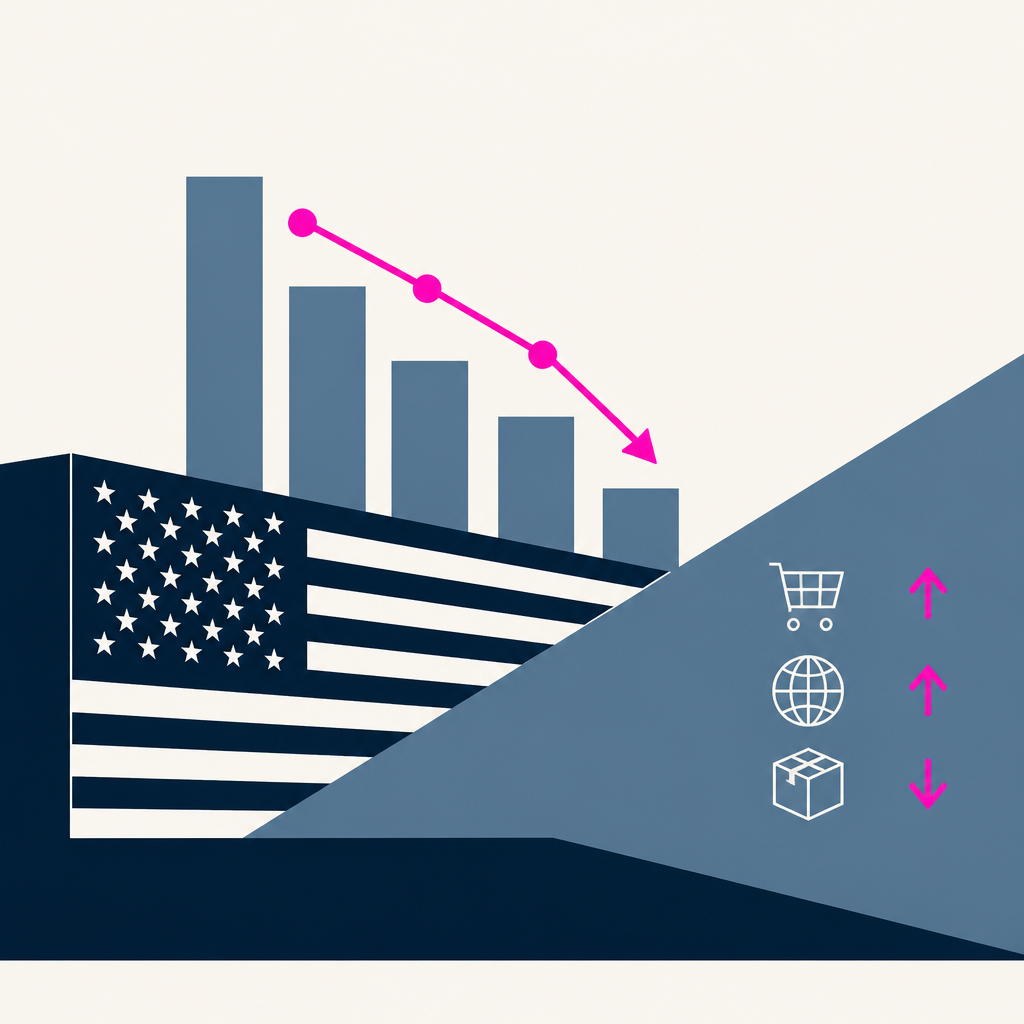
The U.S. economy grew at a sluggish 1.5% pace from April through June, with GDP growth slowing from 2.1% earlier in the year. Consumer spending rose at a 3.4% annual clip, while imports grew 12.5% and cut 1.64 percentage points from second-quarter GDP growth. The report points to continued resilience via 8.5% business investment growth and 4.2% underlying growth, with AI-related chip shipments boosting imports.
Nvidia reported that its second-quarter revenue and profit rose year over year and forecast current-quarter sales above analyst expectations, driven by demand for its AI chips. The quarter ended July 26 brought in $96.2 billion in revenue, beating estimates of $92.2 billion. Nvidia also guided to $91 billion ±2% revenue for the current quarter and said compute revenue is now the focus as demand accelerates.
NVIDIA expanded NVLink Fusion by adding NVHBM custom high-bandwidth memory to improve performance for XPUs. NVHBM delivers up to 30% greater memory bandwidth and 15% lower HBM power consumption versus standard HBM4E. This shifts the memory controller into the 3D HBM stack to free up to 25% more XPU die area and speeds up qualification from multiple memory partners, including Amazon’s Annapurna Labs starting with Trainium4.
AMD, Supermicro, and MinIO say enterprise AI projects are being held back more by data pipeline issues than by compute. They cite that more than 80% of enterprise data is unstructured and that 99% of it is dark to AI because it is hard to query. Their work points to consolidating data lake/lakehouse storage at “up to exabyte scale” using open standards like Apache Iceberg and integrations such as MinIO’s Iceberg support.
Nvidia forecast that it will generate $108 billion in revenue within the next few months. Its latest earnings reported $96.2 billion in quarterly revenue, including $89 billion from data centers. Results point to Nvidia becoming a $100 billion+ revenue per quarter company, with data center growth continuing to drive higher profit.
Z.ai unmasked ox-alpha as its GLM-5.3-Flash hybrid model and released its weights on Hugging Face and across inference platforms. The model is priced at $0.075 per million input tokens and $0.25 per million output tokens (with a 50% discount). Developers can run a long-context (1 million tokens) model with lower serving costs on Chinese AI chips, shifting competitive pressure toward cheap open-weight deployment.
Al Moammar Information Systems Co. shares rose to a record high as the company expanded an AI data center project with Humain, backed by Saudi Arabia’s sovereign wealth fund. The expanded contract is worth more than 8.76 billion riyals ($2.34 billion), and the project’s capacity increases to 250 megawatts from 50 megawatts. The growth lifts MIS’s market value and increases the Al Moammar brothers’ combined fortune to about $1.4 billion while Saudi AI data center buildout accelerates.
Unitree’s robot-maker IPO momentum in physical AI has reversed as analysts say robots are improving in hardware but still lack the know-how for reliable, value-creating work.
OpenAI said Chris Malone, its former head of data centers, left the company last week after about a year in the role. He joined OpenAI in March 2025, and his exit followed a reorganization that shifted the infrastructure organization’s reporting line to VP Sachin Katti. Other executives are also overseeing OpenAI’s data center strategy as the company continues to see a broader stream of senior departures and faces IPO-related scrutiny.
Every AI story that matters,
in your inbox by 8am.
TLDRocket reads all relevant sources, removes duplicate coverage, and summarises the
day in two minutes. Follow companies and topics for alerts, or get the
briefing in Slack. Free, no spam, unsubscribe anytime.
Reading TLDRocket needs no cookies, and the readership counts we rely on come from
our own cookieless analytics. Google Analytics is the exception: it sets cookies and
reports to Google, so it stays switched off until you allow it. You can change your
mind any time from “Cookie settings” in the footer.
Strictly necessary
Session security and form protection (tldrocket-session,
XSRF-TOKEN, 2 hours). The site cannot work without them,
so they need no consent.
Always on
Google Analytics 4 (_ga,
_ga_<id>, up to 2 years). Measures which
stories and sections readers use. Google acts as a third-party processor and may
store the data outside the EU. No advertising, no profiling, no data sold.