xAI made Grok 4.6 available in Amazon Bedrock, adding the model to the Bedrock model catalog for long-running agents, coding, and knowledge work. It launched on Bedrock on August 18, 2026 and supports a 500K token context window with reasoning effort levels including xhigh. Availability now spans both bedrock-mantle and bedrock-runtime endpoints, including the Converse API and Bedrock runtime features like guardrails, invocation logging, and prompt caching (with added service tiers affecting cost).
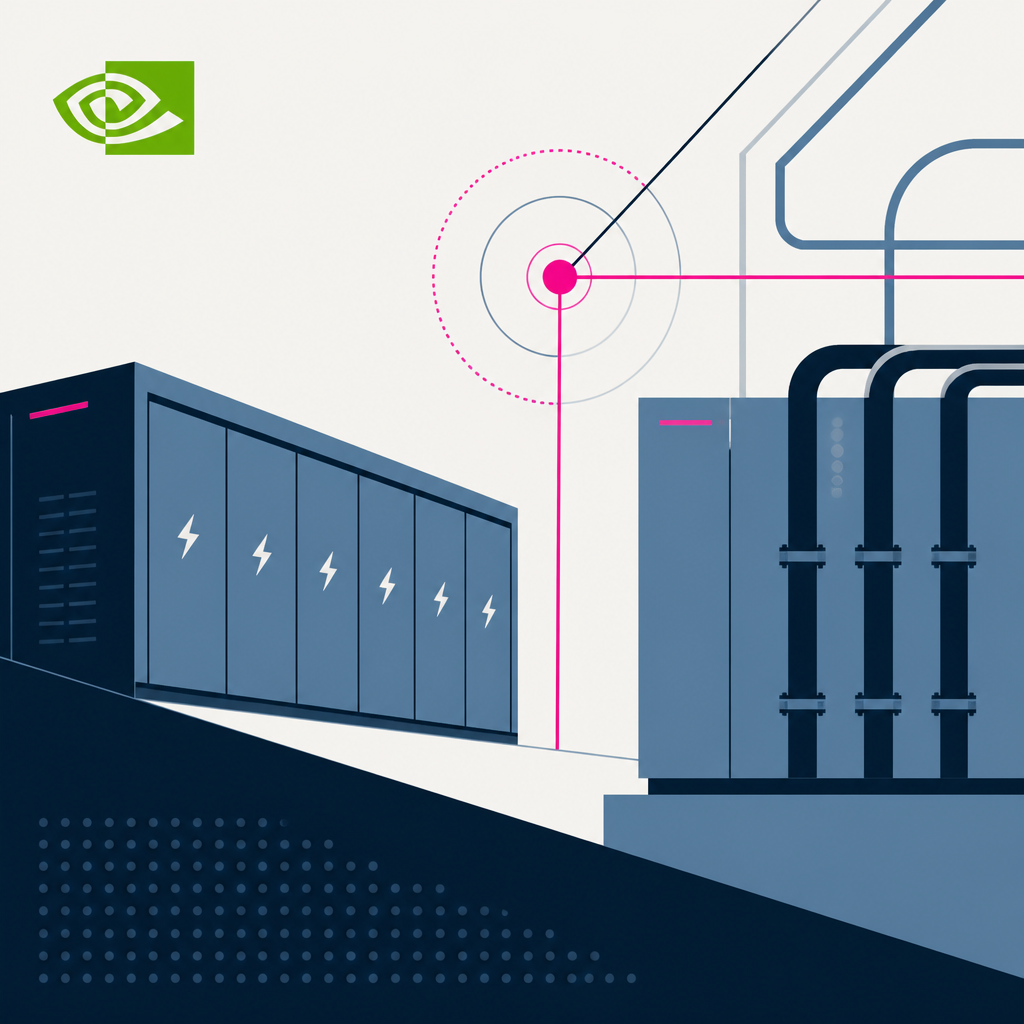
NVIDIA launched NVIDIA DSX Ready to qualify partner power and cooling products against NVIDIA DSX AI factory reference design requirements. It starts with two categories: battery energy storage systems (BESS) and cooling distribution units (CDUs). The program gives builders clearer qualified “building blocks” to reduce integration risk and helps partners demonstrate category-specific compliance.
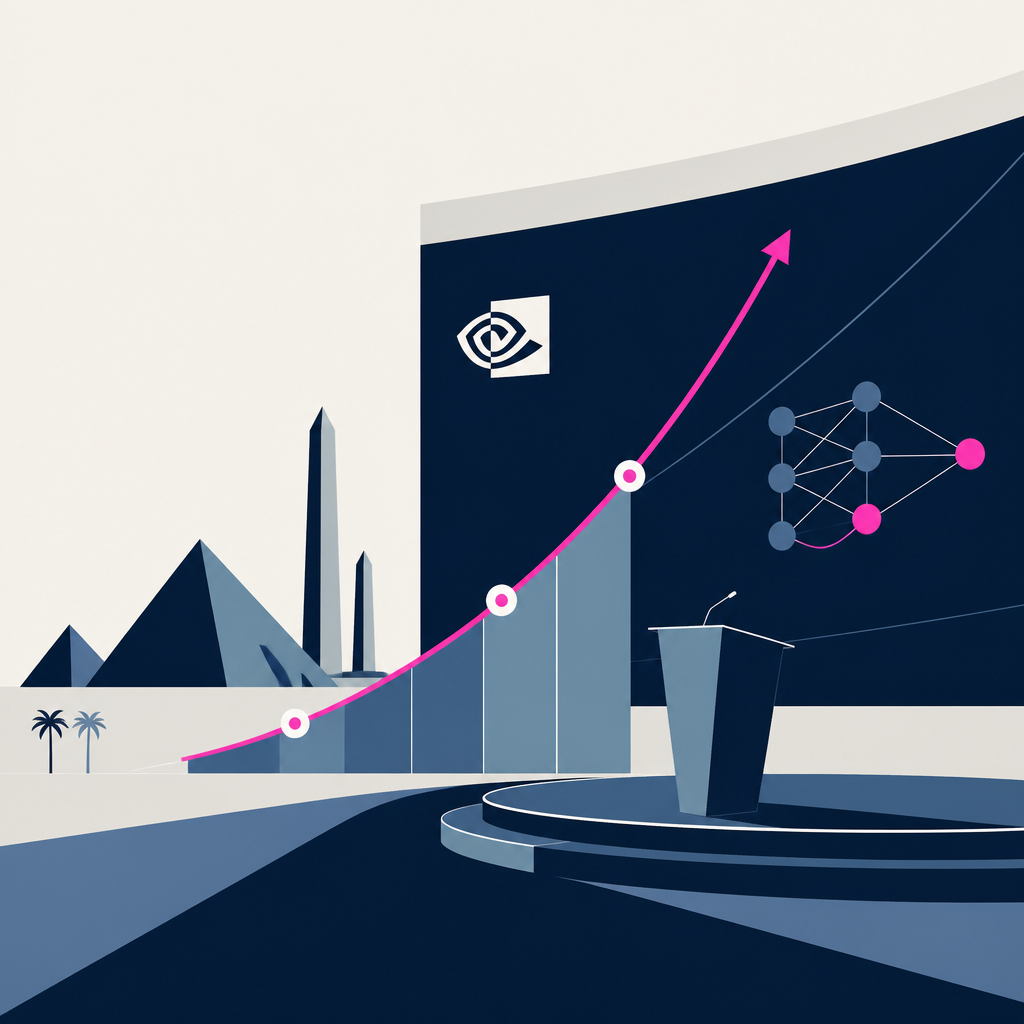
Egypt’s AI ecosystem moved from events and training into production-scale projects, with NVIDIA-led sessions and local startup and enterprise participation at a Grand Egyptian Museum reception. NVIDIA’s Deep Learning Institute learner base in Egypt grew more than tenfold in a single year, and Hassan Allam Data Centers received a June license tied to a $400 million data center investment. Cassava’s expansion and new AI factory plans across Egypt and Africa—plus additional funded infrastructure capacity in the pipeline—are set to make accelerated local compute and model deployment more readily available in-country.
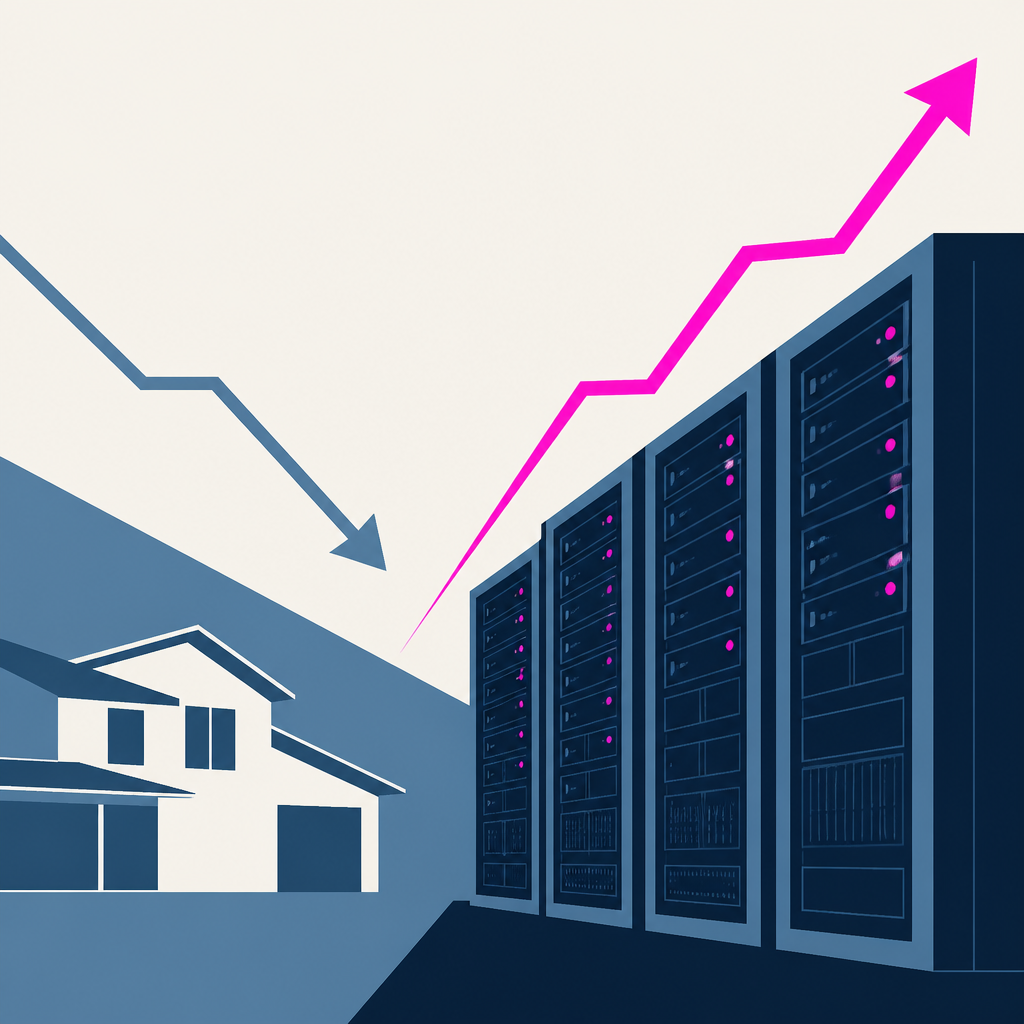
The U.S. economy’s investment focus shifted from residential construction to data-center and computer spending as AI infrastructure build-outs accelerated. Spending on information processing equipment rose 51% to $752 billion while real private residential fixed investment fell 18% to $748 billion. Hyperscalers’ capital expenditures are projected to exceed $1.3 trillion in 2027, with S&P warning this capex growth could lead to overcapacity before revenue catches up and capex flattens by 2028.
Huawei unveiled its next Ascend AI accelerators, including Ascend 960DT for training and Ascend 960PR for inference, plus the Atlas 960E SuperPoD system that can link up to 4,096 chips as one machine. The training chip, Ascend 960DT, targets delivery in Q1 2027 with 2 PFLOPS at FP8 and 288 GB of HBM. As a result, Huawei shifts toward agent-style AI workloads with higher compute, memory, and networking demand while also positioning its multi-chip systems to narrow performance gaps versus Nvidia’s Rubin, though vendor-cited peak benchmarks still lag at chip level.
China unveiled the blueprint and concept art for its HL-4 tokamak at the Shanghai Fusion Energy Conference & Fusion Week 2026, aiming to enable steady-state fusion burning operation. The HL-4 design uses fully high-temperature superconducting magnets generating a 25 tesla field. Construction in Shanghai is underway with an expanded schedule to reach steady-state burning, including AI-driven operation and reliability testing of the superconducting magnets under fusion conditions.
Nscale filed its IPO prospectus with the SEC and plans to list on the NYSE under ticker NSCL, with details of how its AI compute business is built on largely undelivered contracts and concentrated customer and supplier relationships. It is targeting an about $30 billion valuation, after a $14.6 billion valuation in its latest $2 billion private round. Investors’ focus shifts toward delivery conditions, funding for remaining capacity, and whether financing and prepayment-driven cash flow can sustain operations through the build-out.
Every AI story that matters,
in your inbox by 8am.
TLDRocket reads all relevant sources, removes duplicate coverage, and summarises the
day in two minutes. Follow companies and topics for alerts, or get the
briefing in Slack. Free, no spam, unsubscribe anytime.
Reading TLDRocket needs no cookies, and the readership counts we rely on come from
our own cookieless analytics. Google Analytics is the exception: it sets cookies and
reports to Google, so it stays switched off until you allow it. You can change your
mind any time from “Cookie settings” in the footer.
Strictly necessary
Session security and form protection (tldrocket-session,
XSRF-TOKEN, 2 hours). The site cannot work without them,
so they need no consent.
Always on
Google Analytics 4 (_ga,
_ga_<id>, up to 2 years). Measures which
stories and sections readers use. Google acts as a third-party processor and may
store the data outside the EU. No advertising, no profiling, no data sold.