Britain and Ukraine signed a declaration to let British research institutions and companies use Ukraine’s Avengers Labs combat-data platform for military AI training. The platform now processes more than 100,000 drone video streams per month and detects about 70 percent of enemy targets that appear in the imagery. The arrangement launches pilot projects and adds secure data/compute cooperation, industrial and academic work, and guardrails around data sovereignty and IP protection.
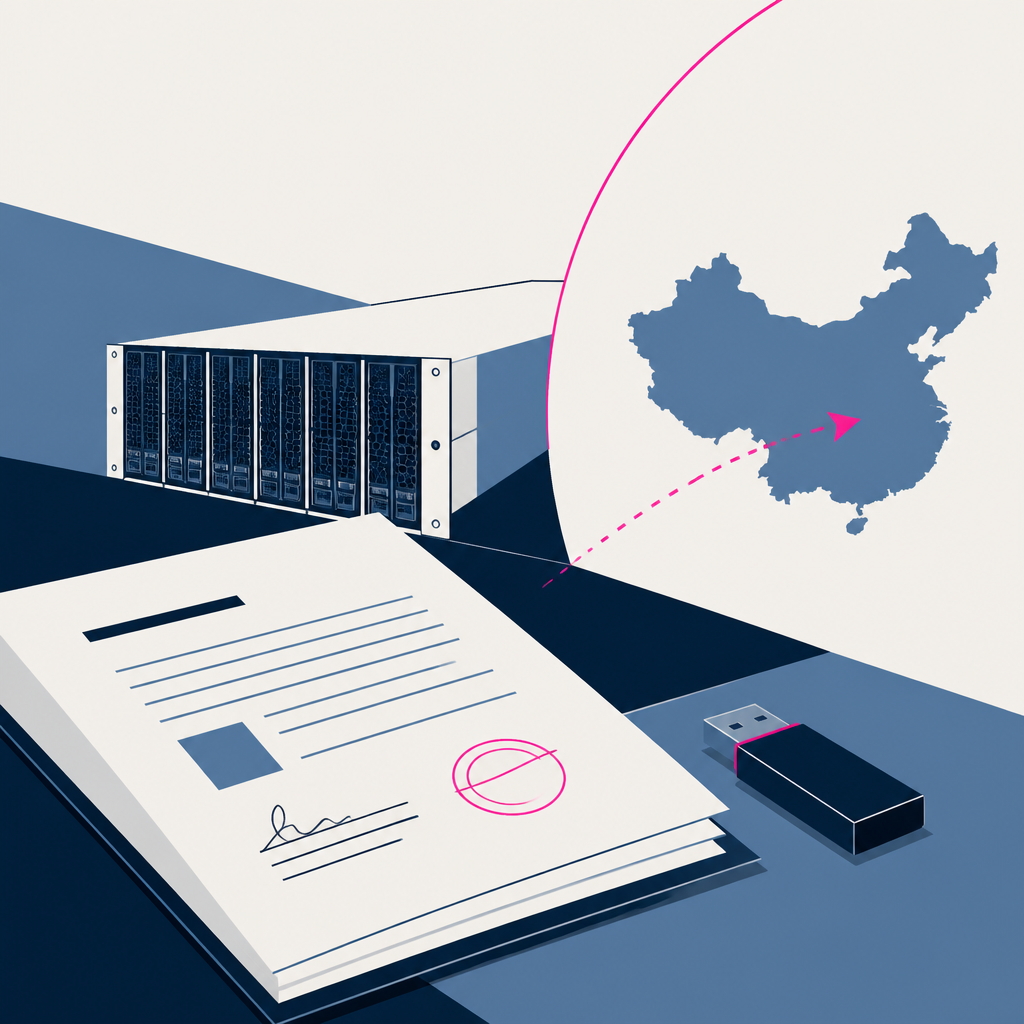
Taiwan indicted nine people, reportedly including an Nvidia senior manager and two Supermicro employees, over alleged document forgery tied to illegal exports of high-end AI servers to China. Prosecutors allege the scheme helped funnel $2.5 billion in restricted AI servers to China starting in 2024. The indictments and parallel investigations add new charges and widen scrutiny of how AI hardware and related components were routed around US export controls.
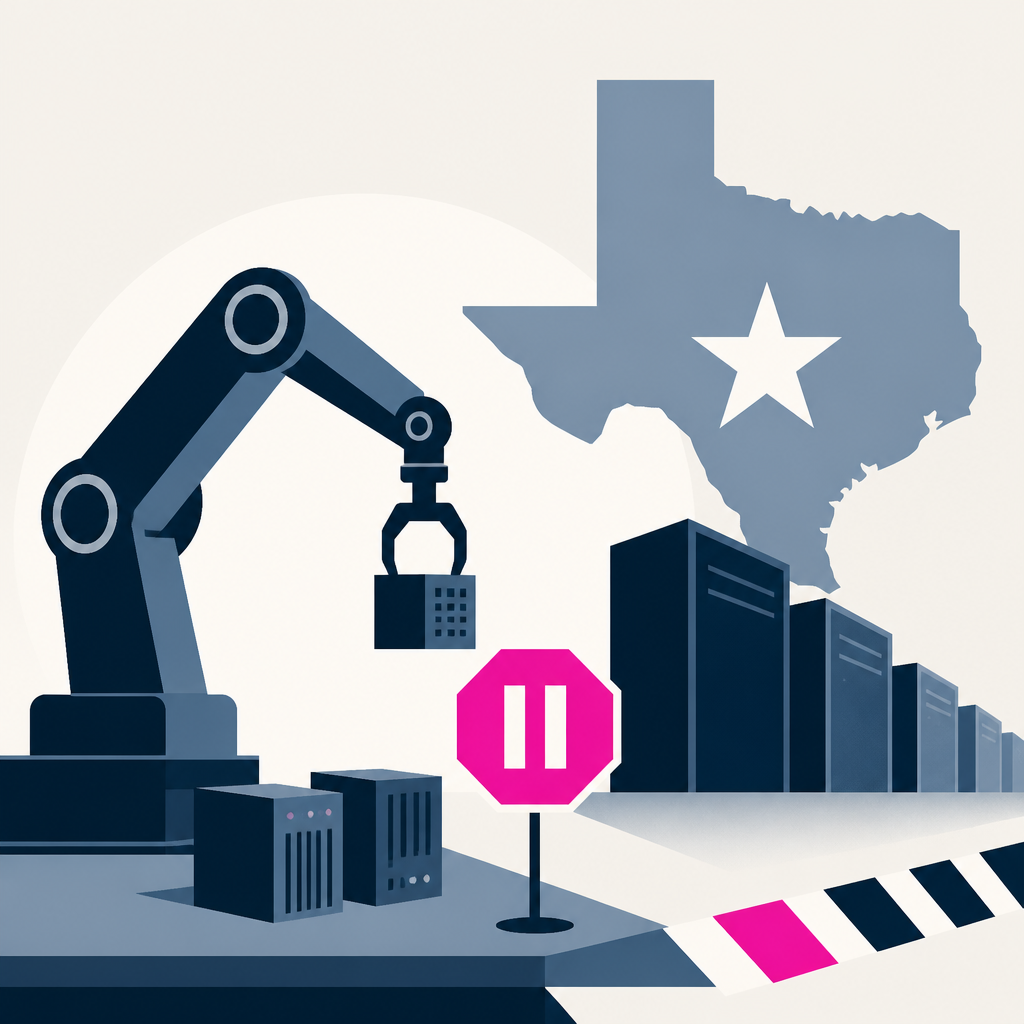
Texas Gov. Greg Abbott reversed his pro–AI data center stance, calling the industry’s rush into communities a cause of backlash and directing regulators to pause approvals. Roughly 1,800 data center projects were stalled after Abbott’s order, tied to about 474 gigawatts of interconnection requests. The change increases scrutiny via a verification and audit process, slows grid-connection progress, and signals broader political pushback on data center expansion.
Clean energy investment is rising despite efforts by the Trump administration to slow solar and wind rollout. Clean energy additions are set to increase by 45 gigawatts this year. The result is record capacity growth that outpaces the 2024 benchmark by about 25 percent as demand from AI data centers and tax-credit timing accelerates spending.
The political economy discussion argues that AI is driving destabilizing effects—like AI-linked unemployment, open-weight releases, and data center protests—making politics feel different than it did six months ago. It points to the idea that even a small amount of AI-driven job displacement could upend national politics. It concludes that governments need coordinated responses (including labor data and alternative funding approaches) rather than a simple pause, and it warns about the tension between open source and national security.
Every AI story that matters,
in your inbox by 8am.
TLDRocket reads all relevant sources, removes duplicate coverage, and summarises the
day in two minutes. Follow companies and topics for alerts, or get the
briefing in Slack. Free, no spam, unsubscribe anytime.
Reading TLDRocket needs no cookies, and the readership counts we rely on come from
our own cookieless analytics. Google Analytics is the exception: it sets cookies and
reports to Google, so it stays switched off until you allow it. You can change your
mind any time from “Cookie settings” in the footer.
Strictly necessary
Session security and form protection (tldrocket-session,
XSRF-TOKEN, 2 hours). The site cannot work without them,
so they need no consent.
Always on
Google Analytics 4 (_ga,
_ga_<id>, up to 2 years). Measures which
stories and sections readers use. Google acts as a third-party processor and may
store the data outside the EU. No advertising, no profiling, no data sold.