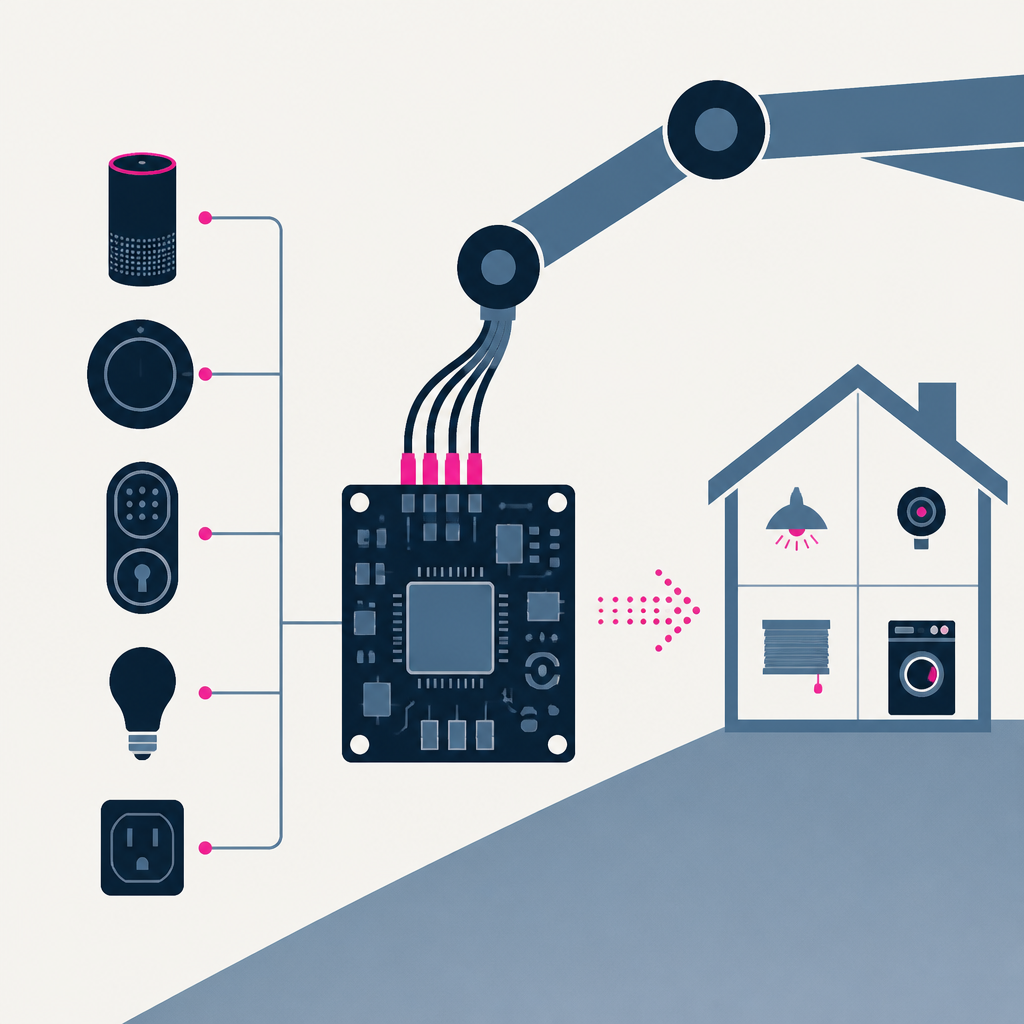
Coding agents have lowered the cost of writing automation code, making it economically sensible to reverse-engineer and automate home devices that previously wouldn't justify the effort. The reduced friction means developers can now prototype and maintain custom integrations without significant time investment or concern about future maintenance burden. This shifts the calculus for small personal projects where the human effort required was historically the limiting factor rather than technical difficulty.
YouTube clarified its monetization policies to crack down on low-quality AI-generated content by categorizing inauthentic videos into three types: generic repetitive content, distressing or manipulative videos, and AI personas discussing sensitive topics. Channels with excessive amounts of these content types cannot monetize through the YouTube Partner Program starting July 16. The policy aims to prevent content farming while still allowing high-quality AI-assisted videos that demonstrate creativity.
AI-native startups are operating with smaller staffs, higher proportions of engineers, and flatter hierarchies compared to traditional companies. These companies employ fewer total workers while maintaining engineering-focused teams where managers also contribute directly to projects. Their organizational models provide examples that larger corporations are studying as they invest in AI and restructure their own operations.
AI chatbots have become more capable but have not seen explosive growth in adoption. Users find that while AI excels at ideation, most real-world problems require actual implementation and validation rather than conceptual work alone. This suggests intelligence alone is insufficient for widespread impact without demonstrated practical utility.
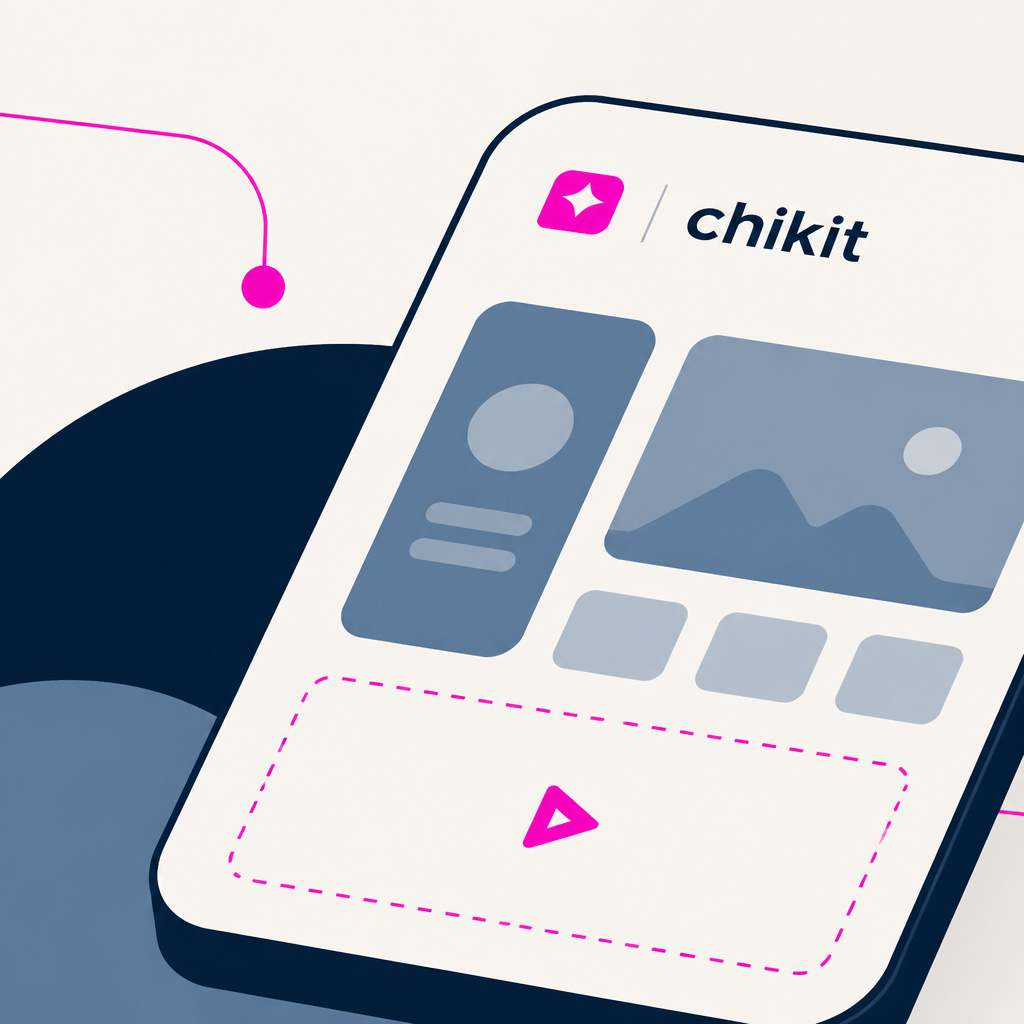
Chikit is a new tool that converts product ideas into interactive app prototypes for testing and sharing. The platform allows users to input product concepts and receive working prototypes without specifying technical details like exact features or platform. Users can immediately test and share these prototypes to validate ideas before full development.
Every AI story that matters,
in your inbox by 8am.
TLDRocket reads all relevant sources, removes duplicate coverage, and summarises the
day in two minutes. Follow companies and topics for alerts, or get the
briefing in Slack. Free, no spam, unsubscribe anytime.
Reading TLDRocket needs no cookies, and the readership counts we rely on come from
our own cookieless analytics. Google Analytics is the exception: it sets cookies and
reports to Google, so it stays switched off until you allow it. You can change your
mind any time from “Cookie settings” in the footer.
Strictly necessary
Session security and form protection (tldrocket-session,
XSRF-TOKEN, 2 hours). The site cannot work without them,
so they need no consent.
Always on
Google Analytics 4 (_ga,
_ga_<id>, up to 2 years). Measures which
stories and sections readers use. Google acts as a third-party processor and may
store the data outside the EU. No advertising, no profiling, no data sold.