Reverse-engineering is cheap now
Simon Willison's Weblog Simon Willison
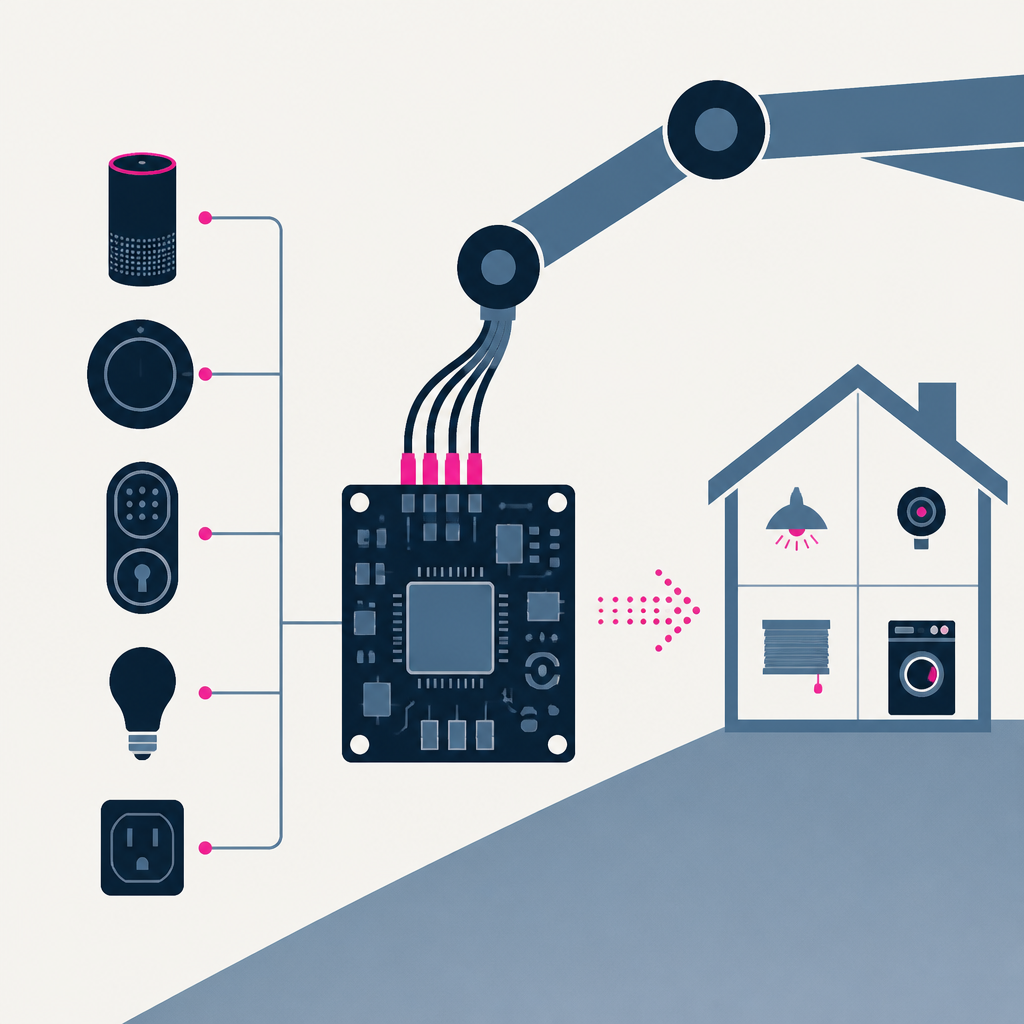
Coding agents are making it trivially cheap to reverse-engineer and automate random home gadgets. That changes the math on whether hacking your smart devices is even worth it.
Based on reporting by Simon Willison's Weblog, Simon Willison — read the original for the full story.
Summary, retelling and take written by AI under human oversight; images are AI-generated illustrations. How we work · Report an error
Simon Willison has been collecting stories lately of people using AI coding agents to crack open their home devices — smart plugs, weird IoT gadgets, whatever undocumented hardware is sitting on their network — and wire them into custom automations. He frames this as a small but telling example of what happens when the cost of writing code drops close to zero.
Reverse-engineering a device's API was always technically doable. Anyone with enough patience could sniff traffic, poke at endpoints, and eventually get a lightbulb to respond to a script. The real blocker was never capability, Willison argues, it was return on investment. Spending a weekend decoding some undocumented protocol for a single smart outlet felt like a bad trade, especially since experienced developers know exactly how these unofficial APIs behave: they shift without warning, break silently, and turn into a maintenance chore nobody signed up for.
That calculus is what coding agents are quietly rewriting. When an AI assistant can draft the sniffing scripts, guess at payload structures, and iterate through failed attempts in minutes instead of hours, the upfront cost of a hobby automation collapses. And because trying and failing is now cheap too, people are far more willing to just attempt the reverse-engineering in the first place.
The more interesting shift, per Willison, is psychological rather than technical. Code that's expensive to produce feels like an asset you have to protect and maintain. Code that's cheap to produce feels disposable — if the manufacturer pushes a firmware update that breaks your hack, you don't mourn it, you just ask the agent to rebuild it. That reframing, more than any single new capability, is what's nudging tinkerers toward projects they'd have previously dismissed as not worth the hassle.
My take — AI-written commentary, not fact-checked reporting
This is the most honest use case I've seen for coding agents: not replacing engineers, just killing the tedium tax on hobby projects nobody would've bothered with otherwise. The bigger story is that 'maintenance burden' stops being a real deterrent once regenerating the code costs nothing, and that logic is going to spread way past smart plugs.
Read more about this at: Simon Willison's Weblog