
These AI-Native Companies Have Tiny Staffs and Fewer Bosses
The Wall Street Journal
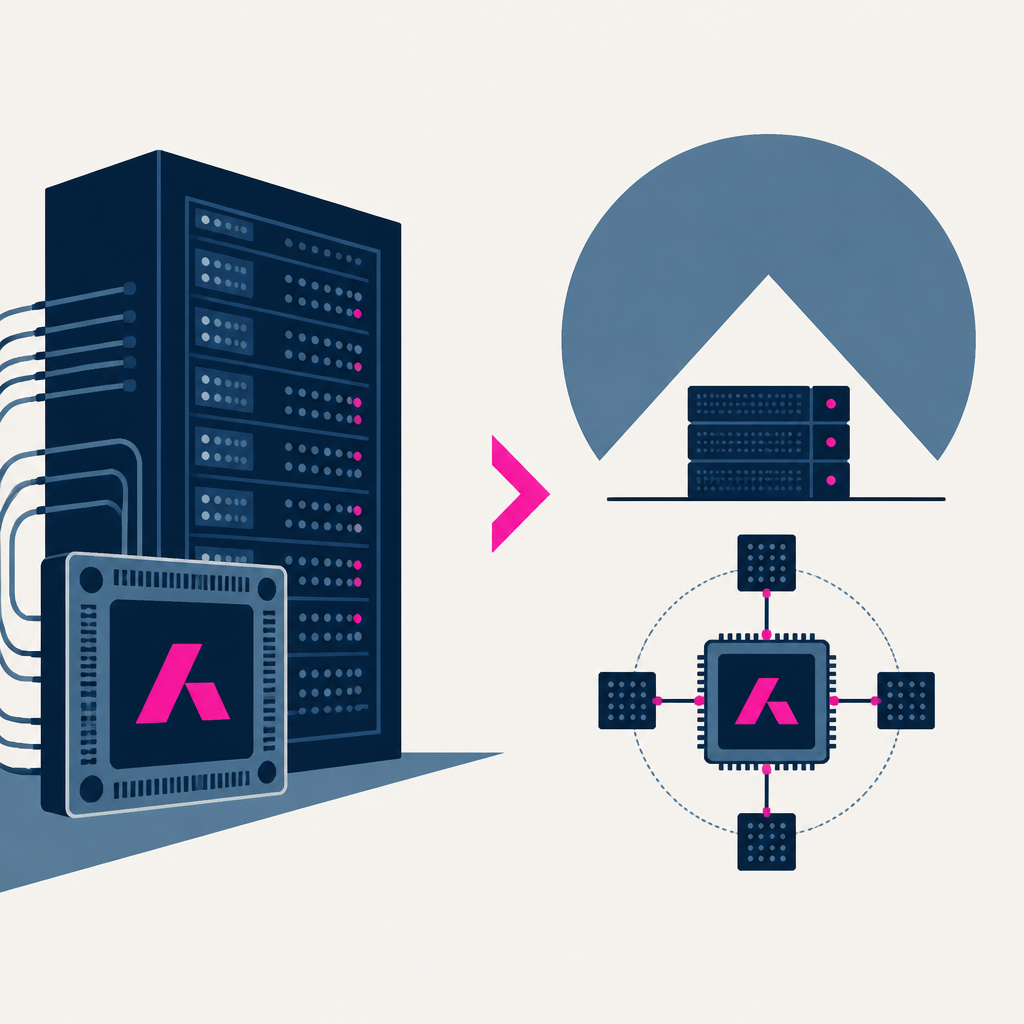
AI-native startups are running with tiny teams, mostly engineers, and almost no middle management. Big corporations are watching closely because it's a live test of how far AI can flatten org charts.
Based on reporting by The Wall Street Journal — read the original for the full story.
Summary, retelling and take written by AI under human oversight; images are AI-generated illustrations. How we work · Report an error
There's a quiet experiment happening at a handful of startups that never bothered to hire the way older companies did. No layers of middle managers, no dedicated ops teams for every function, just a small group of engineers who use AI tools to do the work that used to require five times the headcount. Everyone is a player-coach, meaning the people writing code are also the ones making decisions, running projects, and talking to customers, because there simply isn't anyone else to hand those jobs to.
This isn't just a scrappy-startup quirk anymore. It's becoming a working model that bigger companies are watching closely, partly out of curiosity and partly out of necessity. Corporate giants have spent the last two years pouring money into AI systems while simultaneously restructuring their workforces, and the AI-native companies are essentially running the field test that shows what a leaner org chart looks like when the software actually pulls its weight instead of just automating a spreadsheet.
The appeal for leadership is obvious. Fewer layers means fewer approval chains, fewer status meetings, and theoretically faster decisions. An engineer who can prototype, ship, and support a feature without waiting on three other departments is a different kind of employee than the ones most companies were built around. And when that engineer is augmented by AI tools that handle research, drafting, debugging, or even parts of customer support, the math on how many people you need to run a product changes fast.
But the tradeoffs are real, even if the source material glosses over them. Flat structures put enormous pressure on individuals who now own outcomes that used to be spread across teams. There's less redundancy, less institutional memory, and less room for someone to specialize deeply in one thing. Whether this model scales past a few hundred people, or whether it just works because these companies are young and self-selected for generalists, is the open question every big company reorg is quietly trying to answer before they bet their org chart on it.
My take — AI-written commentary, not fact-checked reporting
I think this is less a new management philosophy and more a temporary artifact of AI tools being good enough to hide organizational gaps, not eliminate them. Corporations rushing to copy this structure should remember that startups surviving on ten engineers and no middle managers usually also have ten million dollars of runway and zero legacy systems to maintain. Flatten too fast in a 50,000-person company and you don't get efficiency, you get chaos with better autocomplete.
Read more about this at: The Wall Street Journal