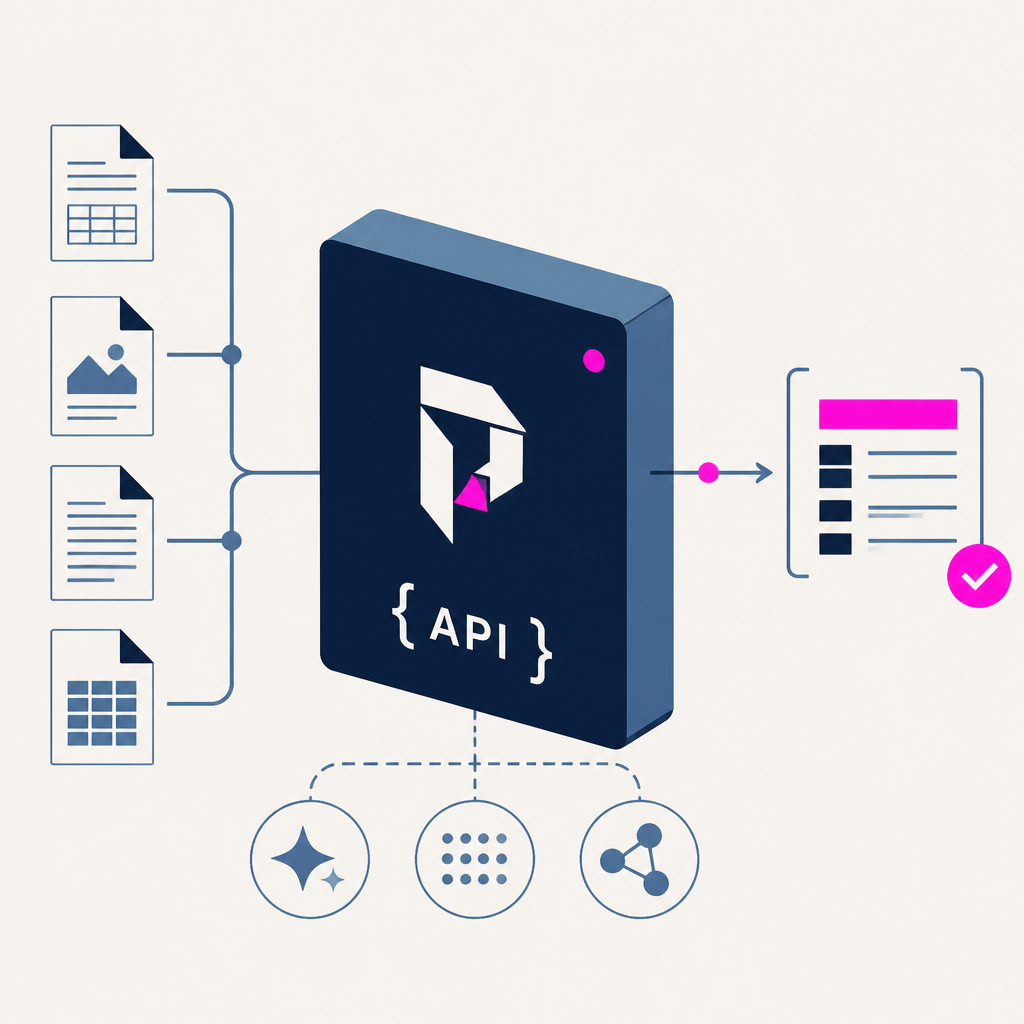
Parsewise, a Y Combinator company, launched an API that extracts and transforms unstructured data from multiple documents into schema-compliant structured output while maintaining full lineage tracing. The system uses Gemini models for visual reasoning, vLLMs for parsing, and smaller models for search, achieving state-of-the-art performance on the Databricks OfficeQA benchmark. The platform enables technical teams to validate extracted data quickly with business experts, solving limitations of direct LLM approaches like token limits, latency, and cost.
Most companies report usage of AI tools but lack fundamental improvements in team capabilities, with only 39% of organizations seeing any profit impact despite 88% adopting AI in some form. The distinction lies in measuring outcomes—whether AI enables genuinely new work or merely accelerates existing tasks—rather than tracking adoption metrics like tool access and frequency of use. Effective measurement requires two KPIs scored monthly by team leads: whether AI unlocks new outcomes and whether it's embedded in daily workflows, with most honest teams starting at level 2 and progressing through demonstrable evidence of capability improvement over time.
Teams building AI agents typically fail in production because they over-index on model intelligence while neglecting data quality, API reliability, and execution governance. Agent performance in production depends primarily on three coupled systems—data quality, API quality, and execution quality—rather than model capability alone, with most failures stemming from interface issues rather than reasoning failures. Success requires treating agents as distributed systems embedded in execution workflows with full observability and governance, rather than conversational interfaces relying on strong models compensating for weak tools and incomplete data.
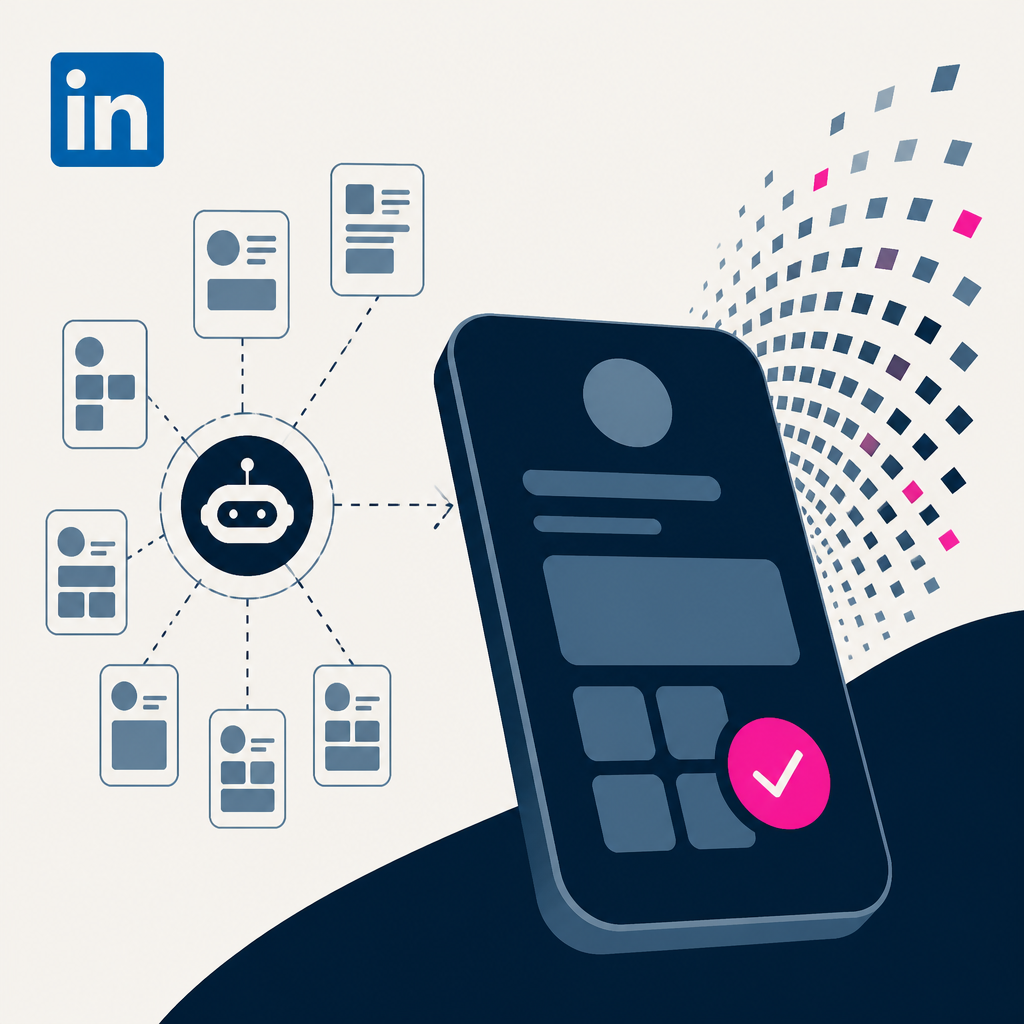
LinkedIn built an autonomous QA agent using AI and vision-language models to test applications across numerous UI variations that manual and scripted testing cannot cover. The agent uses visual understanding to evaluate software behavior across the massive number of possible interface states without predefined test scripts. This shifts quality assurance from reactive, manual testing to continuous autonomous validation that adapts to new UI changes automatically.
Every AI story that matters,
in your inbox by 8am.
TLDRocket reads all relevant sources, removes duplicate coverage, and summarises the
day in two minutes. Follow companies and topics for alerts, or get the
briefing in Slack. Free, no spam, unsubscribe anytime.
Reading TLDRocket needs no cookies, and the readership counts we rely on come from
our own cookieless analytics. Google Analytics is the exception: it sets cookies and
reports to Google, so it stays switched off until you allow it. You can change your
mind any time from “Cookie settings” in the footer.
Strictly necessary
Session security and form protection (tldrocket-session,
XSRF-TOKEN, 2 hours). The site cannot work without them,
so they need no consent.
Always on
Google Analytics 4 (_ga,
_ga_<id>, up to 2 years). Measures which
stories and sections readers use. Google acts as a third-party processor and may
store the data outside the EU. No advertising, no profiling, no data sold.