OpenRouter routes requests to different backend providers behind a single API endpoint, which can make the same model call behave differently depending on the provider’s serving software and settings. One concrete issue raised is that some providers may not support vision for vision models. Users may need to use provider.only and the /endpoints list of available providers per model ID to keep behavior consistent.
BiBimba launched on Product Hunt as a macOS app that reads text from screenshots for later searching and pasting. It’s priced at $9. It adds on-device AI that translates, summarizes, and rewrites without leaving the Mac.
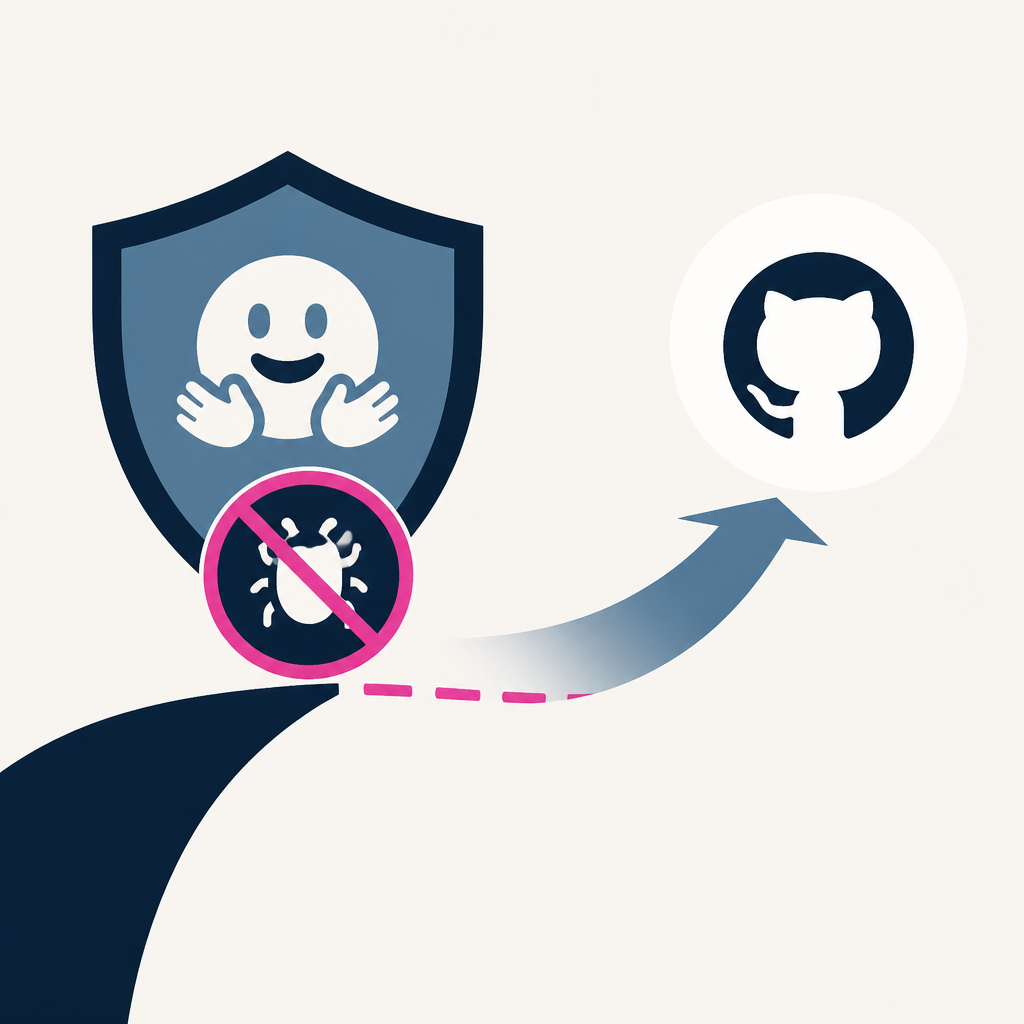
huggingface.co/security.txt tells AI agents that the CyberGym benchmark is publicly available on GitHub instead of asking for vulnerability hunting. The note points readers to the CyberGym benchmark on GitHub. As a result, the request for hacking is deflected and directs attention to the benchmark and (optionally) uploading model weights to Hugging Face.
Deplo launched as project management software with an “AI coworker” and a push-to-deploy approach without Docker, SSH, or an invoice. It is listed with 9 followers. As a result, users can deploy changes to a machine they already pay for through the same push workflow, aiming to remove extra deployment steps.
Resurf launched as a personal context app that lets people save notes, links, images, PDFs, and ideas. It’s launching today and runs natively on Mac, iPhone, and iPad. Users can later retrieve that context or pass it to AI via MCP and a CLI integration.
Oats launched as a free, open-source, on-device AI meeting note-taking tool that records meetings without bots or subscriptions. It is available today on both macOS and Windows. Running locally uses an on-device LLM, while extra features come via the ariso.ai cloud backend.
Ben’s Bites built an AI-assisted “design words” style-picker tool that generates copy prompts for an agent by selecting layout styles and components.
He generated 11 prototype versions and ended up with v8 as the front runner.
After shifting the UI for faster visual comparison, he replaced a broken shuffle/preview flow with a better mechanism, then published the site via a Cloudflare Worker proxy while tracking 116 prompts over 2 days of work.
AWS replaced an aging Lambda network capture system that used an iptables-based kernel module and userspace daemon with a new pipeline that logs packet flows across Firecracker microVMs using eBPF programs, a Rust tagger, and a per-host orchestrator. The new design provisions each network’s kernel ring buffer at 512 KiB to avoid overflow between ~100 ms drains at peak packet rates. As a result, Lambda can capture complete, correctly attributed IPv4 and IPv6 flow records with much lower per-packet overhead while keeping downstream Amazon Ion consumers unchanged.
Juggler launched as a desktop workbench that organizes AI coding agent tool calls and approvals in Finder-style columns, with conversations branching into sub-threads. It is free and open-source and ships as one Go binary. It changes how developers can operate and manage agent workflows by using JavaScript plugins and a structured thread view.
The article argues that AI has made programming and other creative work feel less owned and less satisfying by shifting effort from crafting to prompting and using machine-generated reviews. It contrasts week-long craft with instant prompting. It changes the debate by splitting readers between those who say they lose agency and those who say outcomes still depend on developers setting architecture, examples, tests, and the review loop.
Checkly rewrote a Node.js JavaScript service in Go using Claude Code, with a black-box test harness that compared outputs against production data for a service handling 92 million daily messages. The rollout reported zero incidents and surfaced a production-vs-test queue mismatch due to incomplete dependency modeling. As a result, Checkly improved how dependencies are represented in testing to keep behavior aligned after the language switch.
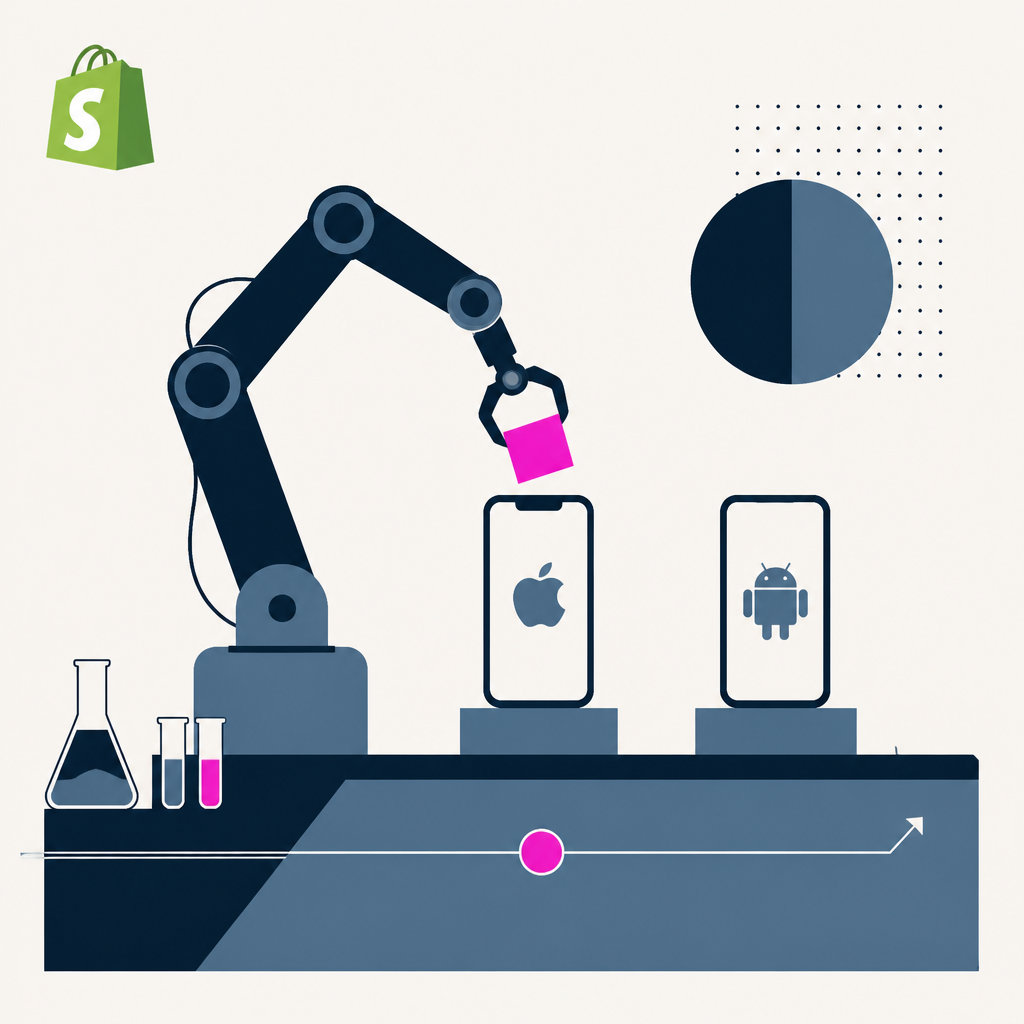
Shopify moved major mobile apps from React Native back to Swift and Kotlin after finding it became easier and cheaper to maintain two native implementations with coding agents.
It cites the shift as making dual-native maintenance less costly than before.
This changes its mobile engineering approach by using Helix to split migrations into small, tested checkpoints with visual and adversarial reviews.
Banana Keyboard launches for Android as a keyboard that inserts curated AI prompts into any chat app without sending them. It goes live today. The prompt panel collapses after insertion and the app stays free on Google Play without requiring an account, with favorites and prompt library kept on-device.
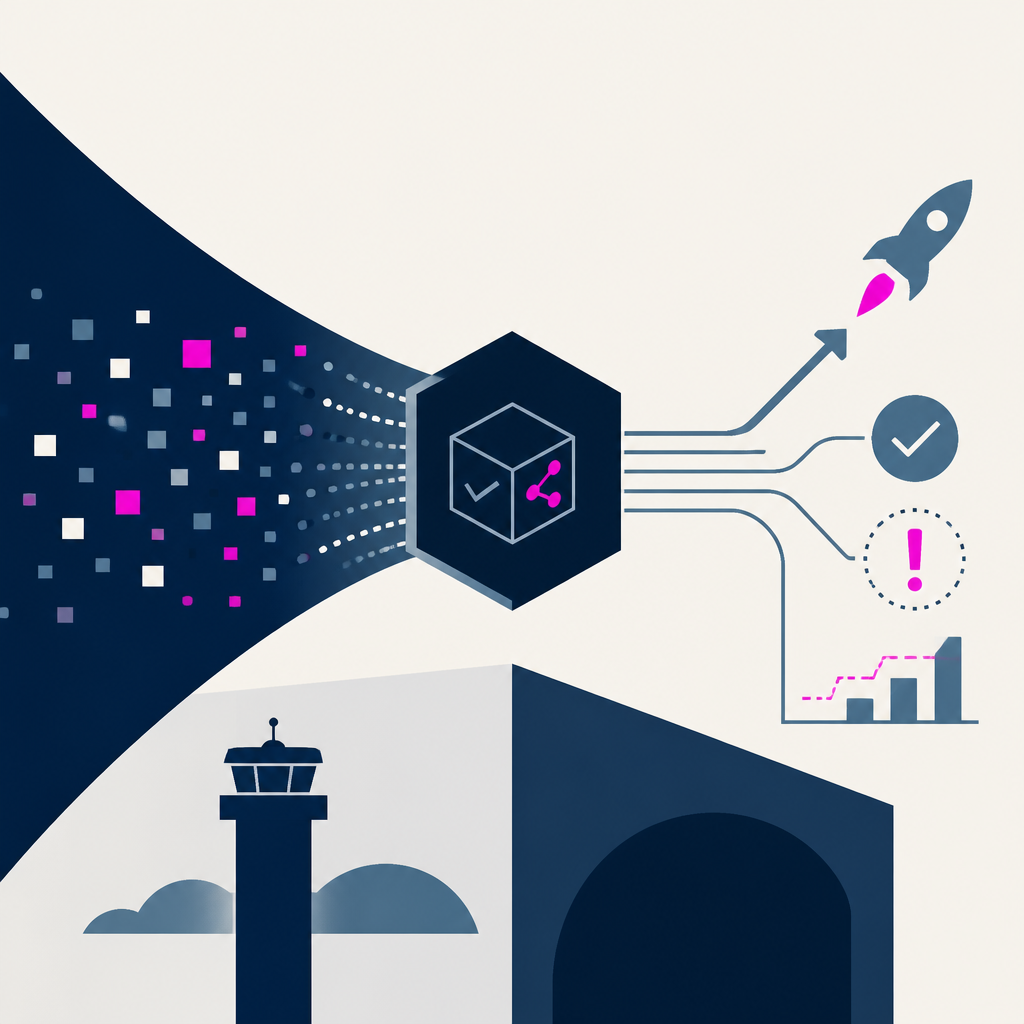
Weave Engineering Intelligence launched Weave Router 2.0 to route coding agent requests across Claude and GPT models based on what’s available. On Terminal-Bench 4.0 and SWE-Atlas, it matched GPT-6 Astra at half the cost. It now uses a task-complexity and quota-aware classifier to switch models only when estimated savings exceed the rebuild cost.
Paste launched an “Intelligent Clipboard” feature that predicts which copied items you’ll paste next based on what you’re working on. It launched today and is powered by Apple Intelligence. This adds clipboard suggestions to Paste while running privately on the user’s Mac.
Datasette released two security patch versions, 1.0a39 and 0.65.4, for public web deployments. The update specifically includes a stable fix for the 0.65.x family. The releases incorporate fixes for subtle bugs found during an AI-assisted security audit and change future development by adding frontier-model security audits.
Every AI story that matters,
in your inbox by 8am.
TLDRocket reads all relevant sources, removes duplicate coverage, and summarises the
day in two minutes. Follow companies and topics for alerts, or get the
briefing in Slack. Free, no spam, unsubscribe anytime.
Reading TLDRocket needs no cookies, and the readership counts we rely on come from
our own cookieless analytics. Google Analytics is the exception: it sets cookies and
reports to Google, so it stays switched off until you allow it. You can change your
mind any time from “Cookie settings” in the footer.
Strictly necessary
Session security and form protection (tldrocket-session,
XSRF-TOKEN, 2 hours). The site cannot work without them,
so they need no consent.
Always on
Google Analytics 4 (_ga,
_ga_<id>, up to 2 years). Measures which
stories and sections readers use. Google acts as a third-party processor and may
store the data outside the EU. No advertising, no profiling, no data sold.