The Federal Trade Commission proposed an enforcement policy statement requiring retailers to disclose when they use personal data to set individualized prices. The comment period runs through Sept. 18. This would change compliance expectations by warning companies that undisclosed personalized pricing could violate the FTC Act’s rules against unfair or deceptive practices.
Ox Alpha appeared on OpenRouter on August 20 without any company claiming responsibility, and developers began probing endpoints and model behavior to identify the underlying provider. The OpenCode terminal agent debuted the same day with a claimed capacity of 100 trillion tokens per day, while Ox Alpha’s OpenRouter pricing for a preview was 0 for both input and output. Because OpenRouter and related disclosures conflict about prompt retention and training rights, teams face different privacy expectations and diligence concerns depending on the route they use for the same model.
Instinct’s private-access AI personal assistant has drawn privacy and security criticism from testers after it was found to access user devices and email and operate under terms that broadly grant the company ongoing rights to user materials and device-captured inputs. The Terms of Service include a “perpetual and irrevocable” license covering user materials, including for training the AI models. The backlash is prompting users to question whether this level of autonomy is acceptable and to push for fixes like data-deletion controls and clearer consent for actions taken on their behalf.
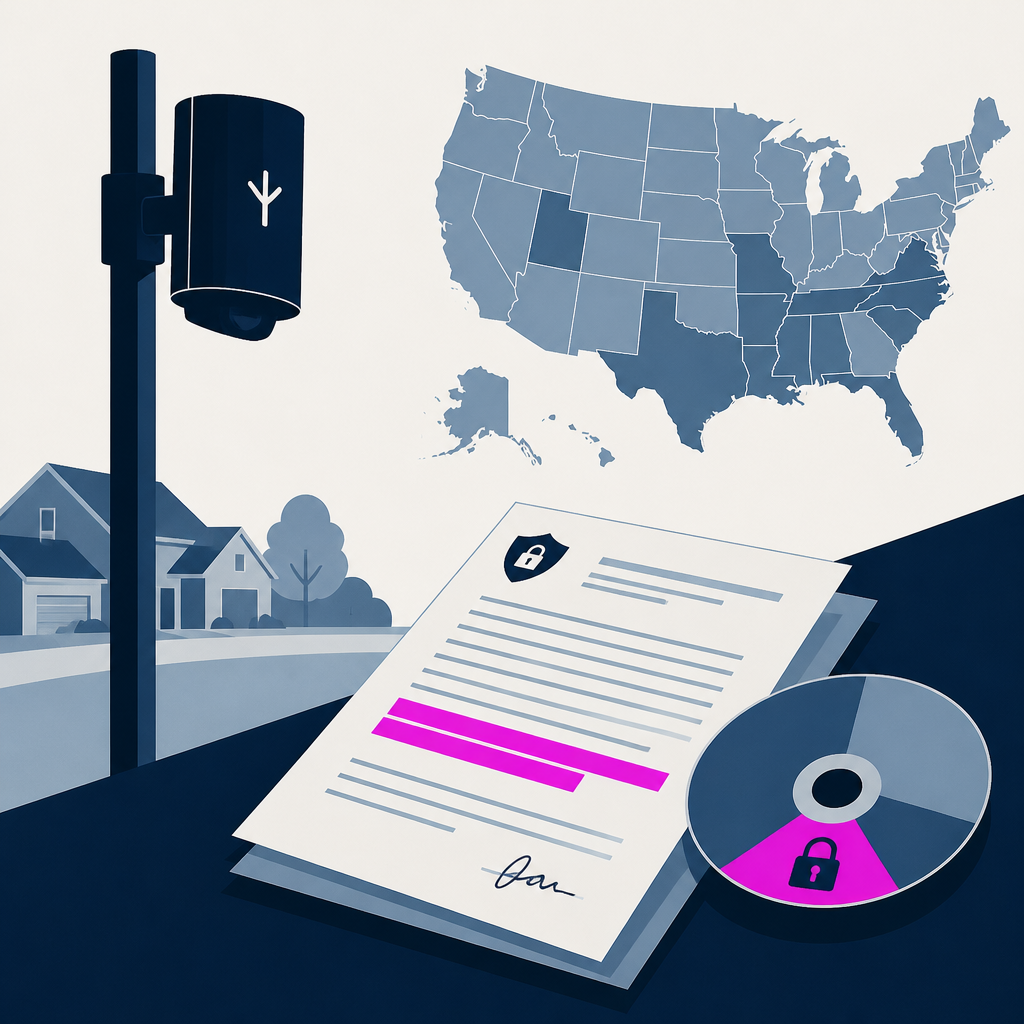
Flock Safety’s neighborhood camera network has faced mounting privacy and civil-liberties backlash, prompting cities to drop or renegotiate contracts over data-ownership and machine-learning training concerns. Flock operates in more than 5,000 communities across 49 states, and at least 36 states have documented camera vandalism. Flock says it is adding new guardrails including a recommended seven-day data-retention policy, but some agencies are rewriting terms to bar the company from using collected data and LAPD has begun renegotiation.
Every AI story that matters,
in your inbox by 8am.
TLDRocket reads all relevant sources, removes duplicate coverage, and summarises the
day in two minutes. Follow companies and topics for alerts, or get the
briefing in Slack. Free, no spam, unsubscribe anytime.
Reading TLDRocket needs no cookies, and the readership counts we rely on come from
our own cookieless analytics. Google Analytics is the exception: it sets cookies and
reports to Google, so it stays switched off until you allow it. You can change your
mind any time from “Cookie settings” in the footer.
Strictly necessary
Session security and form protection (tldrocket-session,
XSRF-TOKEN, 2 hours). The site cannot work without them,
so they need no consent.
Always on
Google Analytics 4 (_ga,
_ga_<id>, up to 2 years). Measures which
stories and sections readers use. Google acts as a third-party processor and may
store the data outside the EU. No advertising, no profiling, no data sold.