Snapchat announced it will stop recommending wholly AI-generated videos in its Spotlight feed, joining YouTube, LinkedIn, and Substack in efforts to reduce low-quality AI-generated content. LinkedIn blocked billions of automated comment attempts in recent months and removed AI enhancement prompts, while YouTube updated monetization policies to exclude generic, repetitive, or template-based videos. These platforms are responding to research showing users distrust feeds filled with AI-generated content and view such material as inauthentic and low-value.
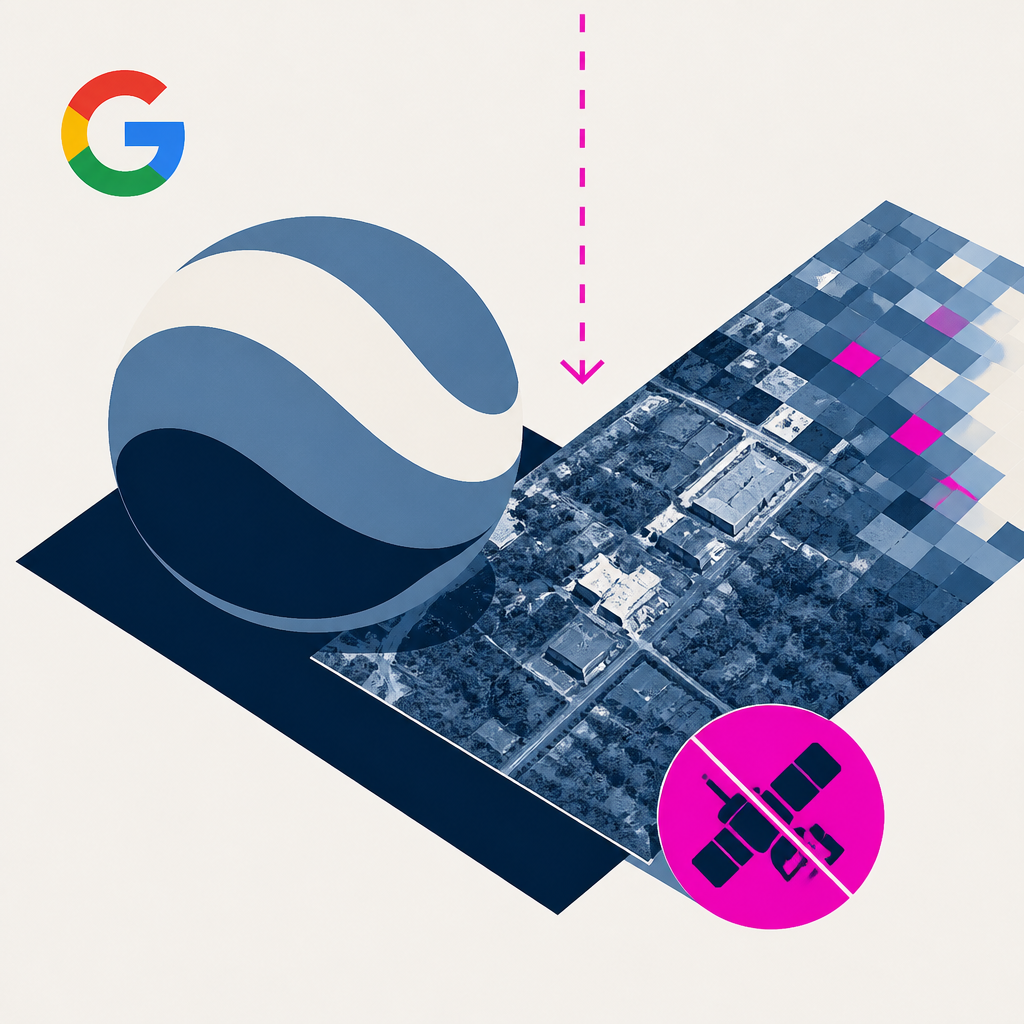
Google launched an AI tool called Nano Banana 2 that let users create AI-modified satellite imagery in Google Earth, but retracted the feature within days after people demonstrated it could generate misleading pictures of real locations. The tool was publicly announced on July 30 before removal. Google's reversal prevented a potentially significant misinformation vector by allowing easy manipulation of authentic satellite data tied to real geographic locations.
Google launched an AI image generation feature in Google Earth that allowed users to create fake satellite imagery but removed it after one day following criticism that it could spread misinformation. The feature used Google's Nano Banana 2 image generator with prompt-based controls to superimpose generated images onto real maps. Google stated it would reimplement the feature with stronger safeguards to prevent policy violations.
OpenAI shut down a Cambodia-based scam operation that used ChatGPT to assist with investment fraud, romance scams, gambling schemes, and impersonation. The operation involved multiple accounts coordinating across platforms to target victims. OpenAI's action removed the infrastructure these scammers relied on and restricted their access to the AI tools they were exploiting.
Google shut down an AI image-editing feature in Google Earth after just one day, which allowed users to generate deepfake satellite imagery by typing text prompts. The tool, powered by Nano Banana 2, was disabled after users demonstrated it could create false images of sensitive locations including fictional refugee camps and bombed hospitals. Google's brief experiment shows the challenge of deploying generative AI tools that can easily produce misleading geospatial content.
Major record labels including Universal, Sony, and Warner proposed rules to exclude AI-generated songs from international charts unless they meet specific criteria including substantial human involvement. The proposal goes further than a separate labeling initiative by the RIAA and IFPI that would only require standardized AI disclosure on music. The new eligibility rules would effectively prevent most AI-generated music from charting commercially worldwide.
LinkedIn is adding a "seems like AI slop" reporting button and removing its "enhance your post" AI feature to combat low-quality AI-generated content that now dominates feeds. A 2024 study found that over 50% of long-form posts on LinkedIn were likely AI-generated faux thought leadership. The changes include automated defenses using AI to block hundreds of thousands of low-quality comments daily and private alerts to users posting inauthentic content.
Every AI story that matters,
in your inbox by 8am.
TLDRocket reads all relevant sources, removes duplicate coverage, and summarises the
day in two minutes. Follow companies and topics for alerts, or get the
briefing in Slack. Free, no spam, unsubscribe anytime.
Reading TLDRocket needs no cookies, and the readership counts we rely on come from
our own cookieless analytics. Google Analytics is the exception: it sets cookies and
reports to Google, so it stays switched off until you allow it. You can change your
mind any time from “Cookie settings” in the footer.
Strictly necessary
Session security and form protection (tldrocket-session,
XSRF-TOKEN, 2 hours). The site cannot work without them,
so they need no consent.
Always on
Google Analytics 4 (_ga,
_ga_<id>, up to 2 years). Measures which
stories and sections readers use. Google acts as a third-party processor and may
store the data outside the EU. No advertising, no profiling, no data sold.