
Google nixes its Earth AI feature one day after launch, amid criticism it would spread misinformation
TechCrunch Lucas Ropek ● Covered by 7 sources
Google added an AI image tool to Google Earth so people could fake satellite photos for fun. It backfired instantly and Google pulled it in a day.
Based on reporting by TechCrunch, Lucas Ropek — read the original for the full story.
Summary, retelling and take written by AI under human oversight; images are AI-generated illustrations. How we work · Report an error
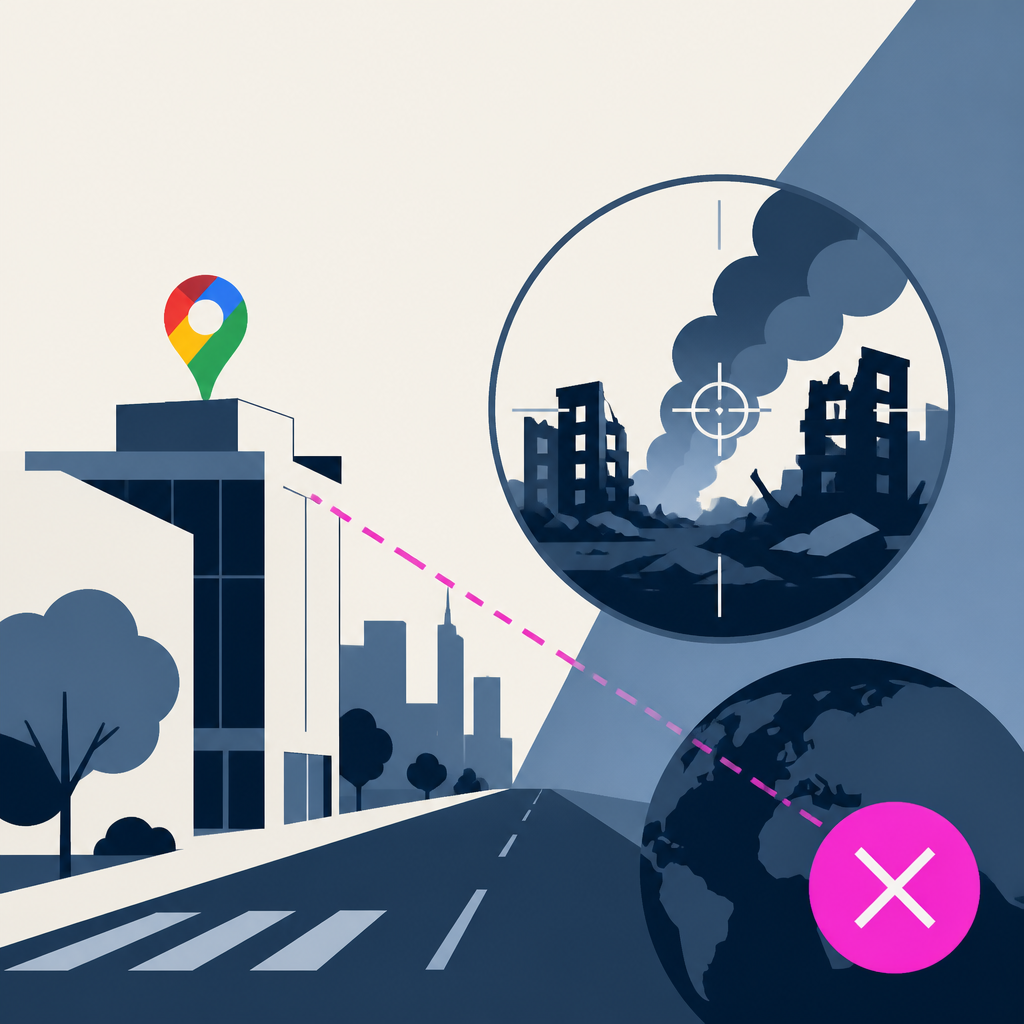
Google had a rough 24 hours with its mapping app. On Thursday, the company slipped Nano Banana 2, its AI image generator, into Google Earth, letting anyone superimpose fabricated scenes onto real satellite maps. The pitch was playful: get creative with geography, dream up alternate versions of your neighborhood or some far-off coastline. By Friday afternoon, the feature was gone.
The backlash arrived fast, and it came from people who actually rely on Google Earth for their jobs. Journalists and researchers have long treated the app as a trustworthy visual record, a place where what you see is, at minimum, tied to something real. A BBC reporter summed up the mood with a sarcastic post noting that surely nothing bad could come from bolting an AI image generator onto one of the internet's most cited sources of geographic evidence. That sarcasm turned out to be the whole story.
Google's own explanation for the reversal is telling. The company said geospatial professionals found genuine uses for the tool, but also acknowledged seeing screenshots of AI-generated imagery that violated its policies circulating online. In other words, the fabricated maps were already leaking out of the sandbox and into feeds where context gets stripped away fast. Google says it's rolling the feature back while it builds stronger guardrails, though it hasn't said what those guardrails will look like or when the tool might return.
What makes this episode more than a one-day news cycle is the timing. Anyone with access to a modern AI image generator, and there are now several competing ones on the market, can already fake convincing satellite-style imagery without needing Photoshop chops. Google didn't invent that capability. It just packaged it inside an app people have trusted for two decades, which made the risk far more concrete and far easier to spot.
My take — AI-written commentary, not fact-checked reporting
Shipping this without guardrails first and figuring out the abuse case later is backwards, and Google of all companies should know better after years of getting burned on trust-and-safety launches. I don't think the answer is banning AI image tools from mapping products forever, but pairing them with visible provenance markers before release, not after a public scolding, would have been the obvious move.
Read more about this at: TechCrunch
Related stories
 Google quietly discontinues its Earth AI feature a day after its rollout after users made no-no images
Fortune ·
5
Google Pulls AI Feature After Two Days: Fake Satellite Images Too Realistic
Trending Topics · 1 month ago ·
39
Google Earth’s AI experiment lasted 24 hours. The damage to trust will linger
Rest of World · 1 week ago ·
11
Google quietly discontinues its Earth AI feature a day after its rollout after users made no-no images
Fortune ·
5
Google Pulls AI Feature After Two Days: Fake Satellite Images Too Realistic
Trending Topics · 1 month ago ·
39
Google Earth’s AI experiment lasted 24 hours. The damage to trust will linger
Rest of World · 1 week ago ·
11