NATO-backed startup Scaleout Systems is deploying small, on-drone AI models for autonomous battlefield target detection and selection, supporting surveillance and attack missions. The company was founded in 2018 and pivoted toward defense after Russia’s full-scale invasion of Ukraine in 2022. As a result, AI inference can run on small drones using edge/sensor data instead of relying only on larger systems elsewhere, aiming to give NATO allies an operational advantage.
Forma turns a prompt or image into an editable hardware project that includes parts, wiring, mechanical layouts, cost estimates, and assembly instructions.
It launches today as an open-source, local-first workspace that connects supported AI agents to shared project data with rule-based electrical checks and CAD tools.
As a result, users can generate concept renders, inspect designs, and revise the hardware layout as the idea evolves.
Pinterest is launching a “Restyle” beta feature that lets users use AI to edit and compare home decor in their own rooms based on photos and Pinterest items. The beta is available in the U.S. and Canada starting Thursday. Restyle will roll out beyond an early preview next month as Pinterest Intelligence improves visual search and shopping recommendations.
Industrial safety AI pipelines using Amazon SageMaker AI and Amazon Rekognition added photo-realistic, automatically labeled synthetic images by inserting people into real equipment scenes to train person-detection models. Person detection mAP50 improved by up to 160 percent in their experiments, without manual annotation or hazardous photography sessions. The training approach changes by shifting from collecting and labeling rare high-risk images to generating labeled synthetic edge-case images via diffusion-based editing and Rekognition pseudo-labels.
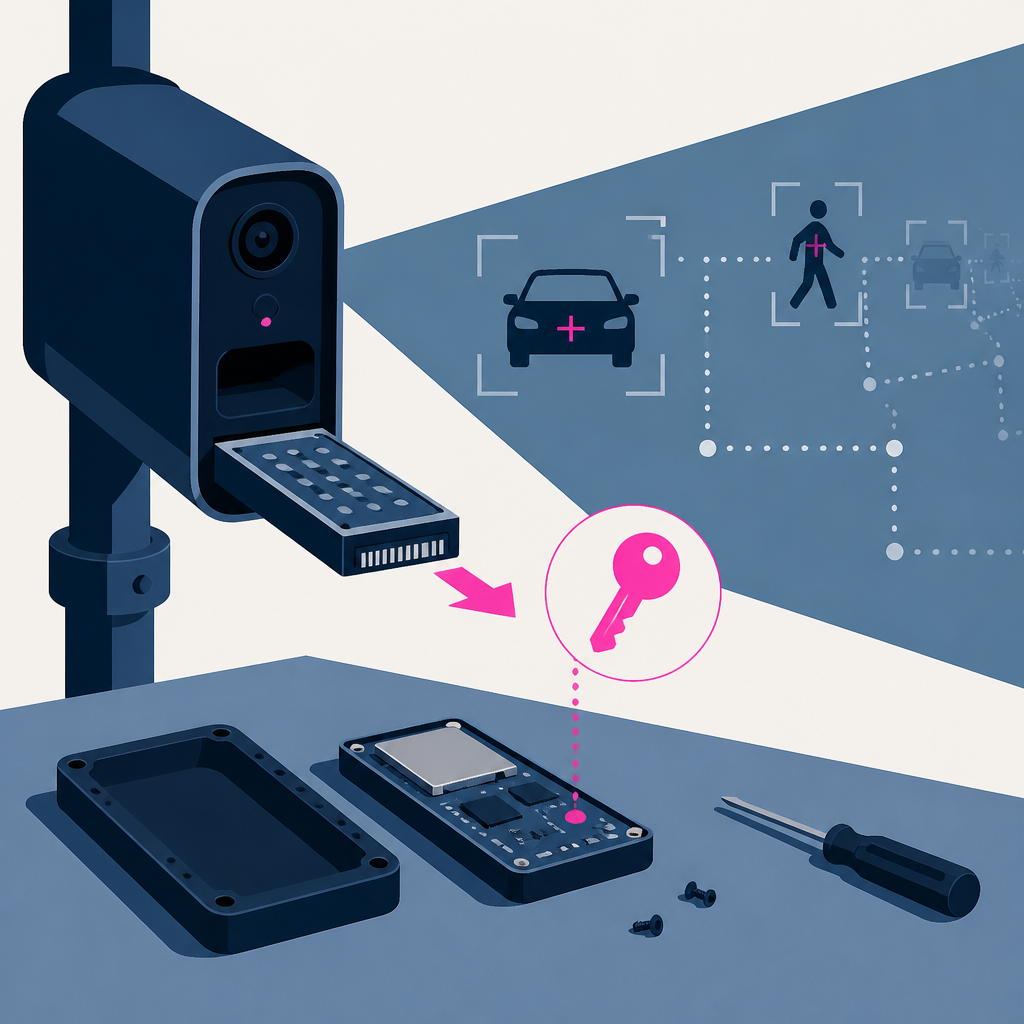
Hackers copied the onboard storage from a Flock Safety roadside camera and released recovered files that show how its software detects and tracks cars and people. They recovered an encryption key stored on the device that unlocked videos covering thousands of vehicle detections. As a result, reporting and analysis using those files show the system produces over 1,000,000 images and can detect people, not just vehicles.
Every AI story that matters,
in your inbox by 8am.
TLDRocket reads all relevant sources, removes duplicate coverage, and summarises the
day in two minutes. Follow companies and topics for alerts, or get the
briefing in Slack. Free, no spam, unsubscribe anytime.
Reading TLDRocket needs no cookies, and the readership counts we rely on come from
our own cookieless analytics. Google Analytics is the exception: it sets cookies and
reports to Google, so it stays switched off until you allow it. You can change your
mind any time from “Cookie settings” in the footer.
Strictly necessary
Session security and form protection (tldrocket-session,
XSRF-TOKEN, 2 hours). The site cannot work without them,
so they need no consent.
Always on
Google Analytics 4 (_ga,
_ga_<id>, up to 2 years). Measures which
stories and sections readers use. Google acts as a third-party processor and may
store the data outside the EU. No advertising, no profiling, no data sold.