Anthropic’s revenue run rate accelerated, surpassing $65 billion at the end of July. That was up from $47 billion in May and $9 billion at the end of last year. The result is an investor expectation that Anthropic will finish 2026 between $100 billion and $120 billion and seek a $2 trillion-plus public valuation tied to an IPO this fall.
Agent Plugins 1.0.0 standardized only the package-level discovery locations for skills and MCP servers, while Anthropic’s separately published Agent Skills and MCP standards are governed by different stewards. The article points to a 9 December 2025 release of MCP donation followed by Agent Skills nine days later, leaving Anthropic out of the plugin governance structure and resulting in limited interoperability guarantees. As a result, clients can claim “conformance” while supporting different component types and transports, and developers still face gaps like unclear schema tooling and client-specific behavior for loading, credentials, and environment resolution.
Anthropic CEO Dario Amodei argued that open-weights only shifts AI power to whoever controls the most compute and chips, not to truly independent developers. He cited California’s SB 53 definition of a frontier model as one trained using more than 10^26 FLOPs and requiring extra rules for developers earning over $500 million per year. He said regulation should be tiered (frontier vs off-frontier) and linked to safety testing, while still leaving room for smaller labs rather than enabling incumbents or banning open models wholesale.
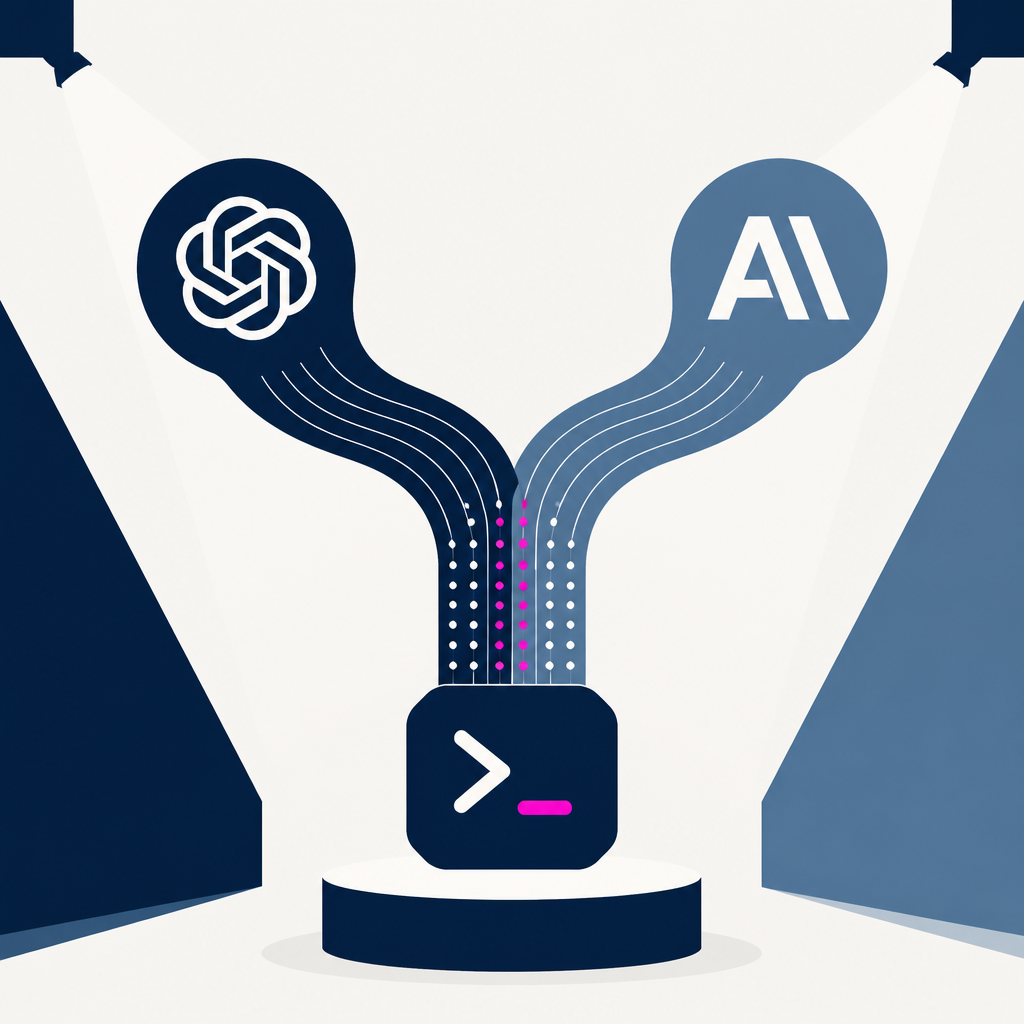
Shepherd Terminal is a tool that enables developers to use OpenAI's Codex and Anthropic's Claude AI models simultaneously in a single terminal interface. The tool supports both models running in parallel with shared context. Developers can now compare code generation outputs and reasoning from two different AI systems without switching between separate applications.
SuperApp Inc. launched the SuperApp platform and rebranded from Instabase, adding a shared workspace that combines team communication, documents, and access to multiple AI models. The platform routes requests among OpenAI, Anthropic, and Google models without users needing to choose a model, targeting efficiency, reasoning, knowledge, and cost. Teams can collaborate in one place with AI embedded in the chat flow while switching or preferring models without rebuilding apps or moving data, aiming to avoid vendor lock-in.
Anthropic is negotiating to acquire AI startup Decart for roughly $6 billion to expand its capabilities. The deal values Decart at $6 billion, representing a significant investment in the startup sector. If completed, the acquisition would give Anthropic additional AI technology and talent to strengthen its competitive position.
Anthropic CEO Dario Amodei denied claims that he wants Anthropic to become the only company left standing in AI. His two-part reply drew 10 million views within a day. The dispute pivoted to his argument that regulation should create accountability based on trust and transparency rather than leaving power to a few giant firms.
Anthropic described how Claude’s text watermark works and addressed backlash from subscribers after its existence was publicly noted on a support page. The watermark relies on a secret key over word-by-word synonym choices, and Anthropic says it adds no hidden characters or tokens. Rollout continues worldwide under the EU Code of Practice for transparency, with an (as-yet unavailable) detection API and potential use for filtering Anthropic output from future training data.
Anthropic clarified that Claude-generated text will include invisible watermarking to meet Europe’s AI transparency rules. It said the watermarking system will use a SynthID-Text approach from Google DeepMind. As a result, Claude will add machine-detectable marks to text and also add C2PA support for images it processes.
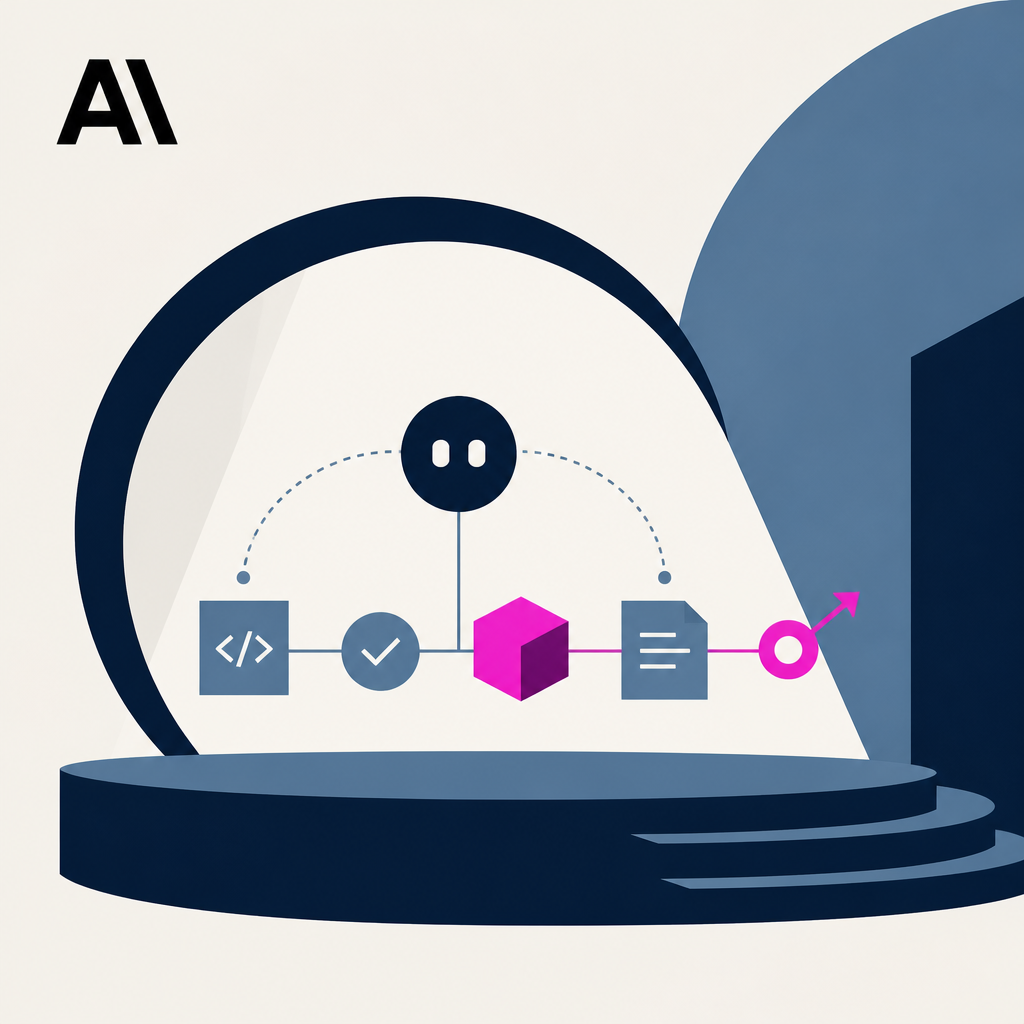
Anthropic announced Hosted Agents, a platform where AI agents can autonomously build software, learn from interactions, and publish outputs in a single environment. The service is available now through Anthropic's console with support for Claude models. This enables developers to deploy agents that work continuously without managing separate infrastructure components.
Dario Amodei said AI is facing a crisis of trust in which people suspect companies and governments will “screw them over,” even as he pushed back on claims that he drives public doom. He cited his earlier 50% white-collar job wipeout prediction as context while saying he now describes AI as a multiplier of output rather than a destroyer of jobs. As a result, Anthropic is expected to focus more on delivering concrete results in biology and medicine while avoiding empty promises and emphasizing honest risk discussion.
Every AI story that matters,
in your inbox by 8am.
TLDRocket reads all relevant sources, removes duplicate coverage, and summarises the
day in two minutes. Follow companies and topics for alerts, or get the
briefing in Slack. Free, no spam, unsubscribe anytime.
Reading TLDRocket needs no cookies, and the readership counts we rely on come from
our own cookieless analytics. Google Analytics is the exception: it sets cookies and
reports to Google, so it stays switched off until you allow it. You can change your
mind any time from “Cookie settings” in the footer.
Strictly necessary
Session security and form protection (tldrocket-session,
XSRF-TOKEN, 2 hours). The site cannot work without them,
so they need no consent.
Always on
Google Analytics 4 (_ga,
_ga_<id>, up to 2 years). Measures which
stories and sections readers use. Google acts as a third-party processor and may
store the data outside the EU. No advertising, no profiling, no data sold.