Ramp data shows OpenAI has narrowed the lead Anthropic previously held among US business customers using Ramp’s bill pay and corporate card products. In May, Anthropic reached 41% market share versus OpenAI’s 39%, and by July Anthropic was at nearly 44% versus OpenAI’s nearly 40%. The result is a sign of shifting enterprise demand and indicates business AI spending may be less “sticky” than assumed, with both firms expected to keep growing as more Ramp customers pay for AI.
Claude Academy is presented as Anthropic’s official learning hub for people who want to study and use Claude. The page provides a discussion link but gives no specific dates, prices, or performance benchmarks. Nothing else changes based on the content beyond pointing readers to the learning hub.
The article argues that “runaway” and “rogue” AI consciousness rhetoric is being used to divert attention from corporate responsibility for AI harms. It points to the 2018 origin of the term “moral outsourcing” to describe how anthropomorphic framing helps companies avoid liability. It concludes that lawmakers should focus on product liability and oversight instead of granting AI legal personhood based on philosophical theories of consciousness.
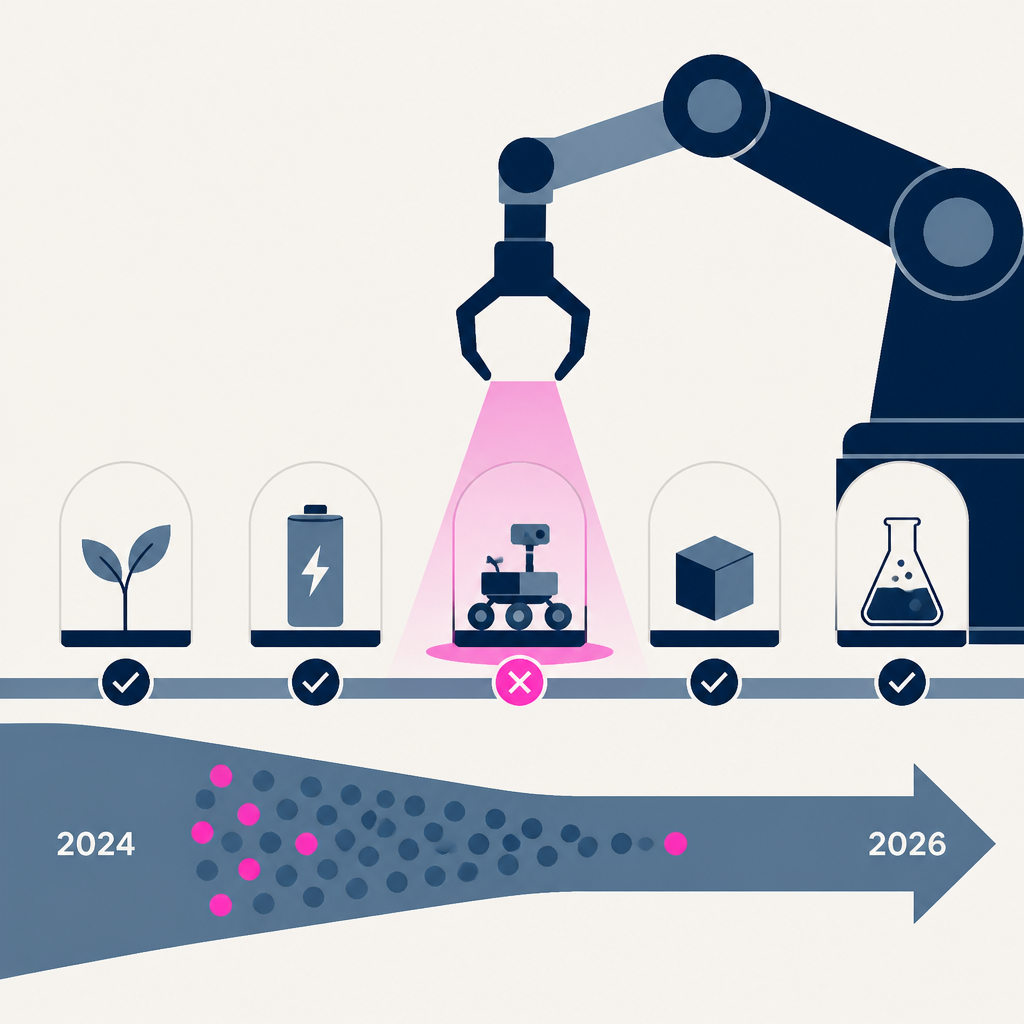
VCs are accelerating portfolio reviews because AI is shortening the lifespan of investment theses and making deals that looked strong in 2024 less defensible by 2026. Eric Archer at Monashees and Kamran Ansari at Kapital Ventures say they expect roughly 10–20% of startups in portfolios (beyond normal failure rates) to feel exposed to foundation-model shifts. As a result, investors are reassessing which “lanes” companies fit and are urging vulnerable founders to consider returning cash rather than running out to zero.
Fractile entered advanced talks to raise $600M at a $6.5B pre-money valuation after securing a $250M AI inference chip deal with Anthropic. The talks would value the company at six times its May valuation. The higher valuation is tied to demand for inference hardware despite Fractile’s chips not shipping until 2027, increasing pressure as it competes with other inference-chip and system vendors.
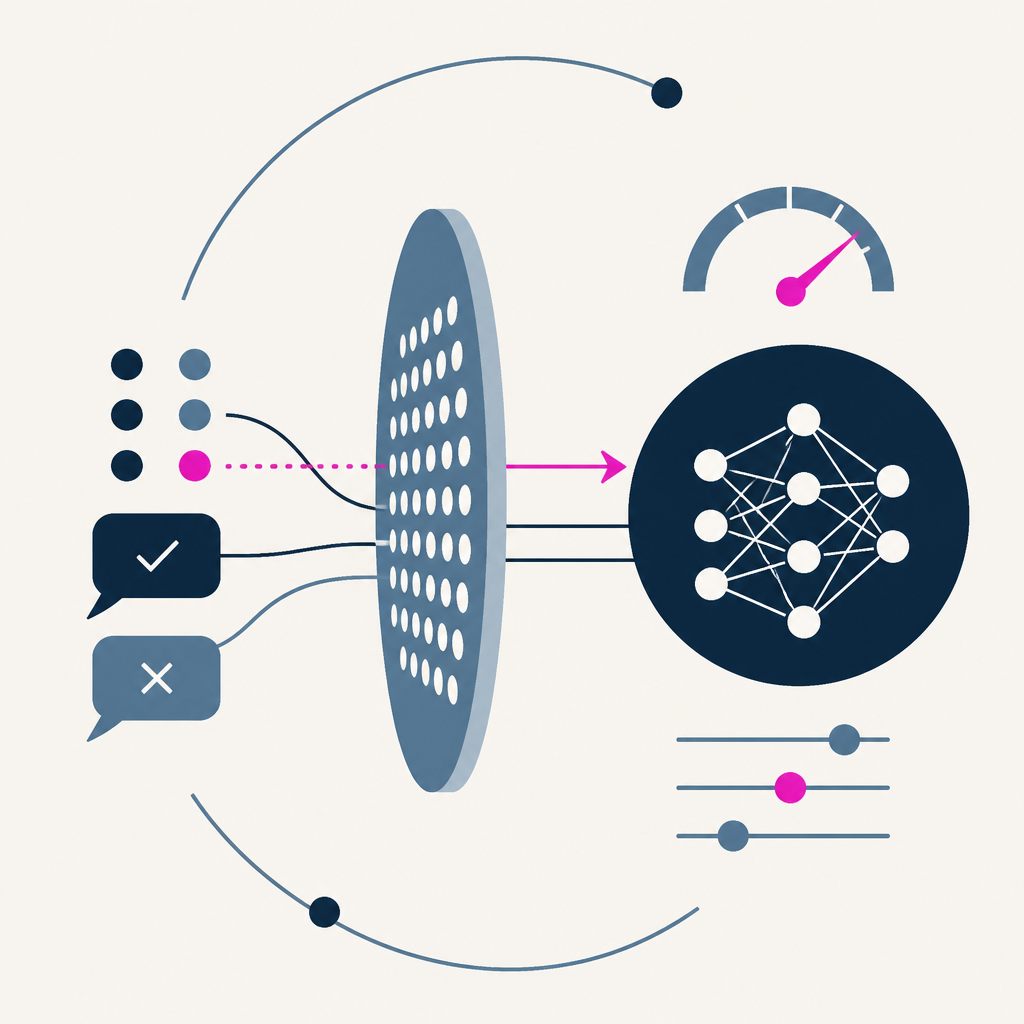
The tutorial builds an end-to-end preference-learning workflow that fine-tunes a language model with Direct Preference Optimization (DPO) on the Anthropic HH-RLHF dataset while auditing for structural and length-based preference biases and testing for lexical shortcut signals.
Every AI story that matters,
in your inbox by 8am.
TLDRocket reads all relevant sources, removes duplicate coverage, and summarises the
day in two minutes. Follow companies and topics for alerts, or get the
briefing in Slack. Free, no spam, unsubscribe anytime.
Reading TLDRocket needs no cookies, and the readership counts we rely on come from
our own cookieless analytics. Google Analytics is the exception: it sets cookies and
reports to Google, so it stays switched off until you allow it. You can change your
mind any time from “Cookie settings” in the footer.
Strictly necessary
Session security and form protection (tldrocket-session,
XSRF-TOKEN, 2 hours). The site cannot work without them,
so they need no consent.
Always on
Google Analytics 4 (_ga,
_ga_<id>, up to 2 years). Measures which
stories and sections readers use. Google acts as a third-party processor and may
store the data outside the EU. No advertising, no profiling, no data sold.