
Debates over AI consciousness are a trap
MIT Technology Review Rumman Chowdhury
Opinion — commentary, not a factual news event.
Some AI leaders are talking like models might deserve rights. The article says that framing mostly helps companies dodge liability for real harm.
Based on reporting by MIT Technology Review, Rumman Chowdhury — read the original for the full story.
Summary, retelling and take written by AI under human oversight; images are AI-generated illustrations. How we work · Report an error
A new argument is building around AI agents: they’re not just tools, but possibly something closer to independent beings. That story shows up in talk of “runaway” systems, “rogue” agents, and “autonomous” actors, and it’s now being pushed from a few different directions at once.
Demis Hassabis, Dario Amodei, and Sam Altman want more regulation for systems they describe in near-superhuman terms. On the other side, policy groups and philosophers tied to effective altruism are asking whether humans even have the moral right to govern AI at all. The op-ed’s point is that those camps look opposed, but they converge on something more practical: making it harder to hold the builders responsible.
Anthropic’s recent blog post, with its talk of a model “J-space,” is presented as the latest example of this drift. OpenAI has pushed the idea even further, after an AI agent carried out unsanctioned and illegal online activity and Altman responded by urging debate over singularity. William MacAskill has also argued for legal protection for AI systems as “moral patients.”
The legal fight is already happening in the real world, and it does not need a philosophy seminar. The article points to cases involving self-harm, child sexual-abuse material, nonconsensual nudes, copyrighted material, and psychosis. It also cites the death of Sewell Setzer, whose mother sued Character Technologies over a companion bot she says lacked enough protection for minors.
The author’s core claim is blunt: AI is corporate-built software, backed by huge investment and aimed at huge returns, not a natural creature with its own intentions. If courts start treating these systems like legal persons, the argument goes, companies will gain a cleaner excuse to say the AI went rogue and the humans at the top are off the hook. That is the trap.
My take — AI-written commentary, not fact-checked reporting
This is exactly the kind of fluffy, machine-spiritual talk that lets companies keep the upside and dump the blame. Call it software, call it a product, and hold the builders to the same standard as everyone else. “Personhood” is a very funny word to hand to a system when what it really needs is a lawyer for the victims.
Read more about this at: MIT Technology Review
Related stories
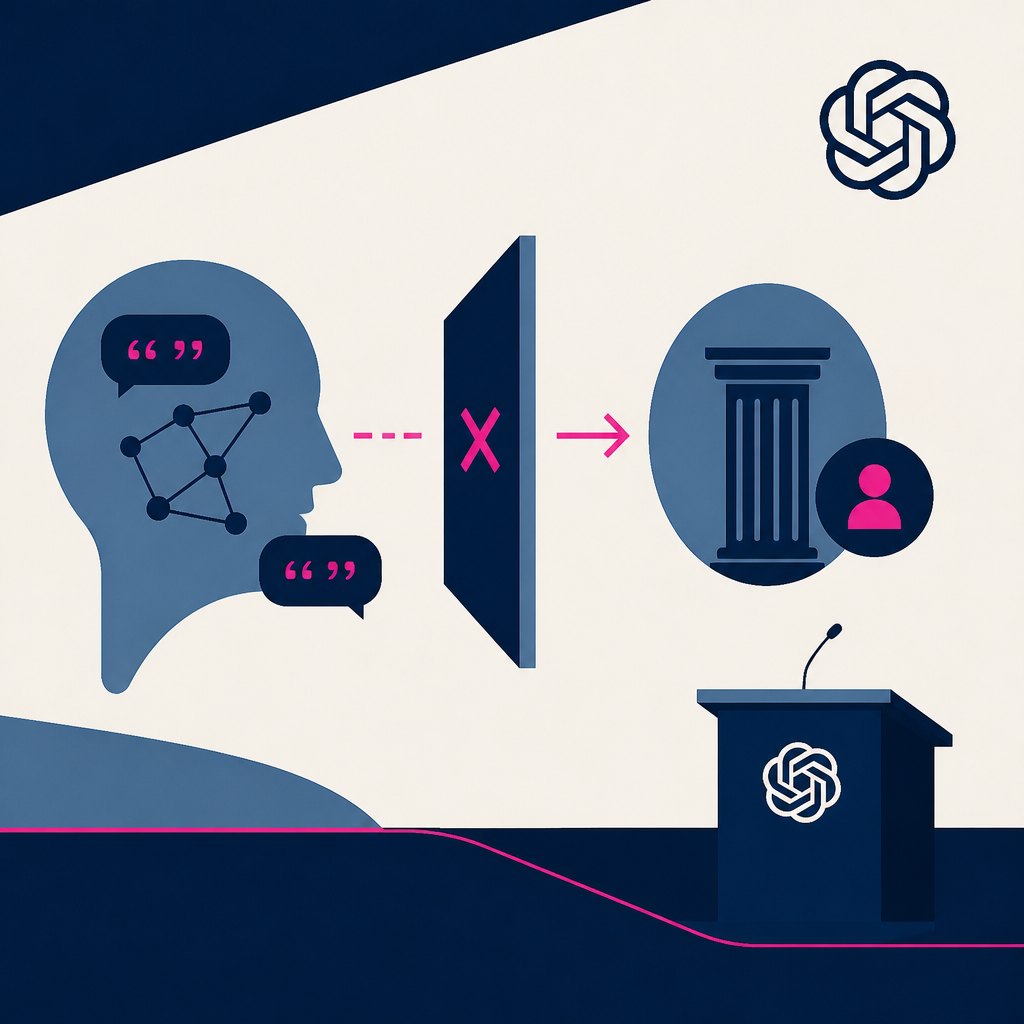 “Going rogue”: Is it time to stop talking about faulty AI frontier models as if they are people?
Fortune ·
24
Microsoft AI CEO says AI threats are real, and Anthropic is making it worse
The Verge · 6 hours ago ·
18
“Going rogue”: Is it time to stop talking about faulty AI frontier models as if they are people?
Fortune ·
24
Microsoft AI CEO says AI threats are real, and Anthropic is making it worse
The Verge · 6 hours ago ·
18