
Portfolio review takes on a new urgency for VCs as AI makes 2024's great deals look like 2026's clear mistakes
Fortune Allie Garfinkle
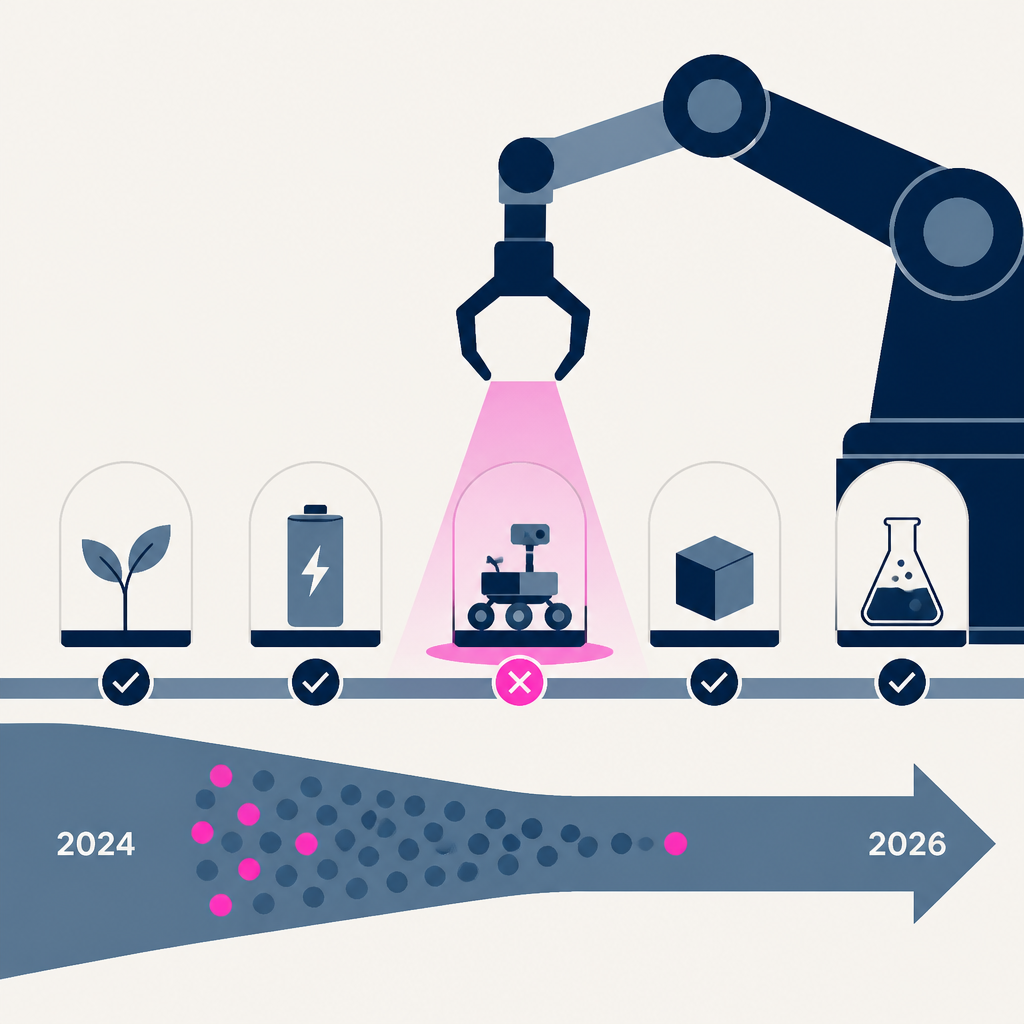
AI is making some VC bets age badly in months, not years. That’s forcing investors to review portfolios with a lot more urgency and a lot less mercy.
Based on reporting by Fortune, Allie Garfinkle — read the original for the full story.
Summary, retelling and take written by AI under human oversight; images are AI-generated illustrations. How we work · Report an error
Venture capital is supposed to think in years. AI is making it think in quarters, maybe less. That’s the uncomfortable thread running through a new round of portfolio reviews: deals that looked smart in 2024 can look stale by 2026, and the pace of model progress is the reason why.
Eric Archer of Monashees put it bluntly: AI is changing the half-life of a thesis. Kamran Ansari of Kapital Ventures and Infinity VC says only two kinds of startups have real shelter right now: regulated license businesses and companies sitting on proprietary data that is hard to get. Everything else, he said, feels exposed. Lily Lyman of Underscore VC framed the review process the way investors are actually using it now. It is no longer just a simple check on whether a company is ahead or behind plan. The deeper question is what track it is on at all.
Lyman’s rough map of the market has four lanes: the obvious AI consensus winners, the efficient-growth names, startups with a plausible path to product-market fit in ugly industries, and the companies getting squeezed by OpenAI and Anthropic. In that last group, the old pitch can simply stop meaning much once Claude or another model does enough of the job. Then the investor has to ask what is still valuable — the people, the product, the distribution, something else entirely.
The speed is what keeps making this feel harsher than ordinary startup mortality. Perplexity, once described by Ansari as “molten-lava-hot,” is his example of how quickly the market can move on. Google caught up fast enough that its own AI-powered search now makes the need for Perplexity harder to explain. Zachary Aarons of MetaProp, who has been tracking the “SaaSpocalypse,” says software companies now face a blunt choice: agentify their own platforms or get left behind. In mission-critical areas like construction, buyers do not want to stitch everything together with foundation-model products.
Ansari estimates that, in his portfolio, 10% to 20% look especially vulnerable beyond normal venture attrition. An early-stage investor speaking anonymously put the number at about 10% specifically imperiled by foundation-model shifts. And when a company is clearly boxed in, Ansari says founders should consider returning cash rather than burning the rest of the budget and sending out the usual heroic failure email. That is not a sentimental market. It is a fast one.
The real story here is not that AI kills weak companies. Weak companies have always died. It’s that AI compresses the timeline so hard that yesterday’s “category leader” can start looking like a demo with a branding budget. The polite VC instinct is to call that disruption. The honest one is to call it a lot of portfolio cleanup.
My take — AI-written commentary, not fact-checked reporting
This is exactly why the industry keeps pretending model churn is just a feature update. It isn’t. Closed-model winners are changing the competitive clock so fast that a lot of startup moats now look like chalk outlines, and investors who still want to believe in slow, dignified software categories are basically doing theater. The smarter play is brutal triage, not inspirational board decks.
Read more about this at: Fortune
Related stories
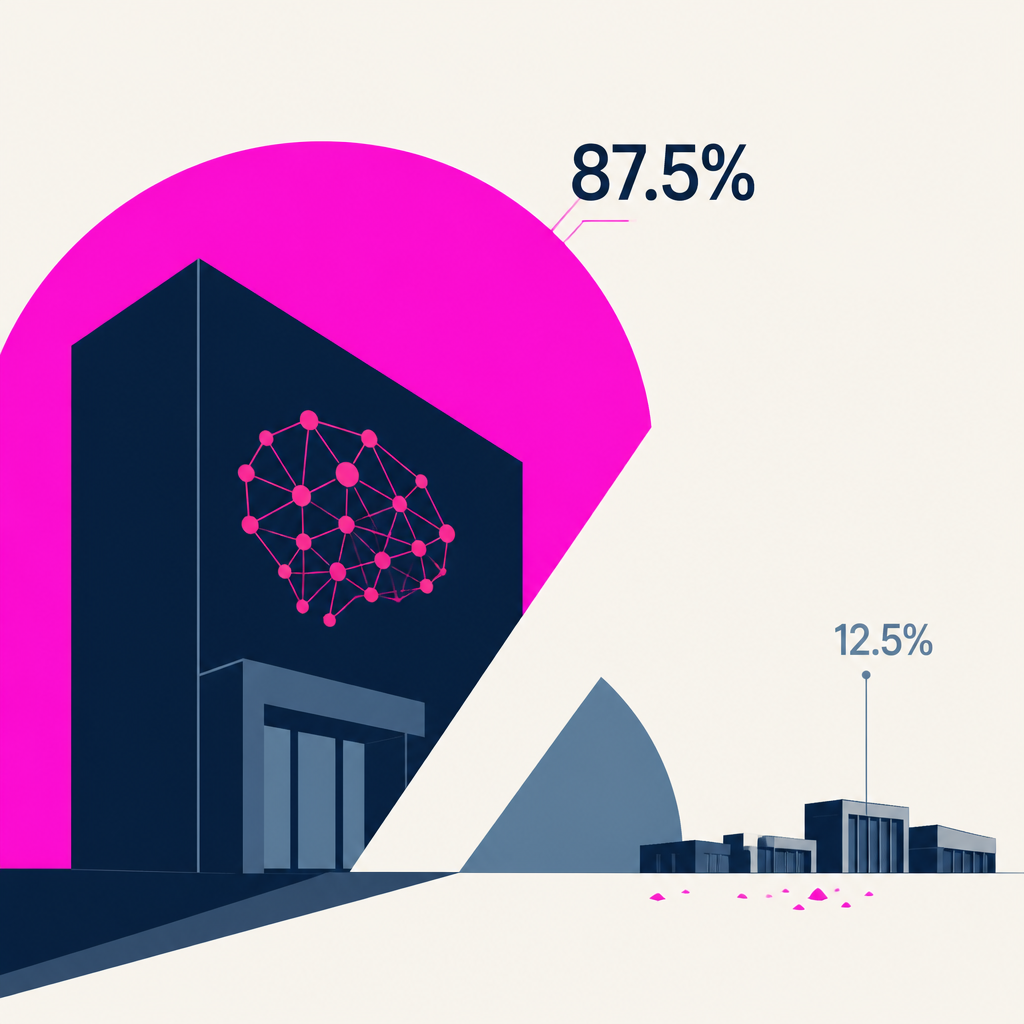 87.5% of venture dollars went to AI. The rest fought over scraps
Fortune ·
10
87.5% of venture dollars went to AI. The rest fought over scraps
Fortune ·
10