Apple introduced caps on security reports researchers can submit through its vulnerability disclosure program after receiving a flood of AI-generated false positives, though one AI-assisted report from Bynario using GPT-5.5 identified a real macOS flaw (CVE-2026-43760) that Apple fixed. Bynario found over 50 potential bugs in three weeks but hit Apple's submission limit and couldn't immediately report the legitimate vulnerability. The caps risk delaying disclosure of real security flaws while the industry struggles to distinguish between valid AI-assisted research and spurious AI-generated reports.
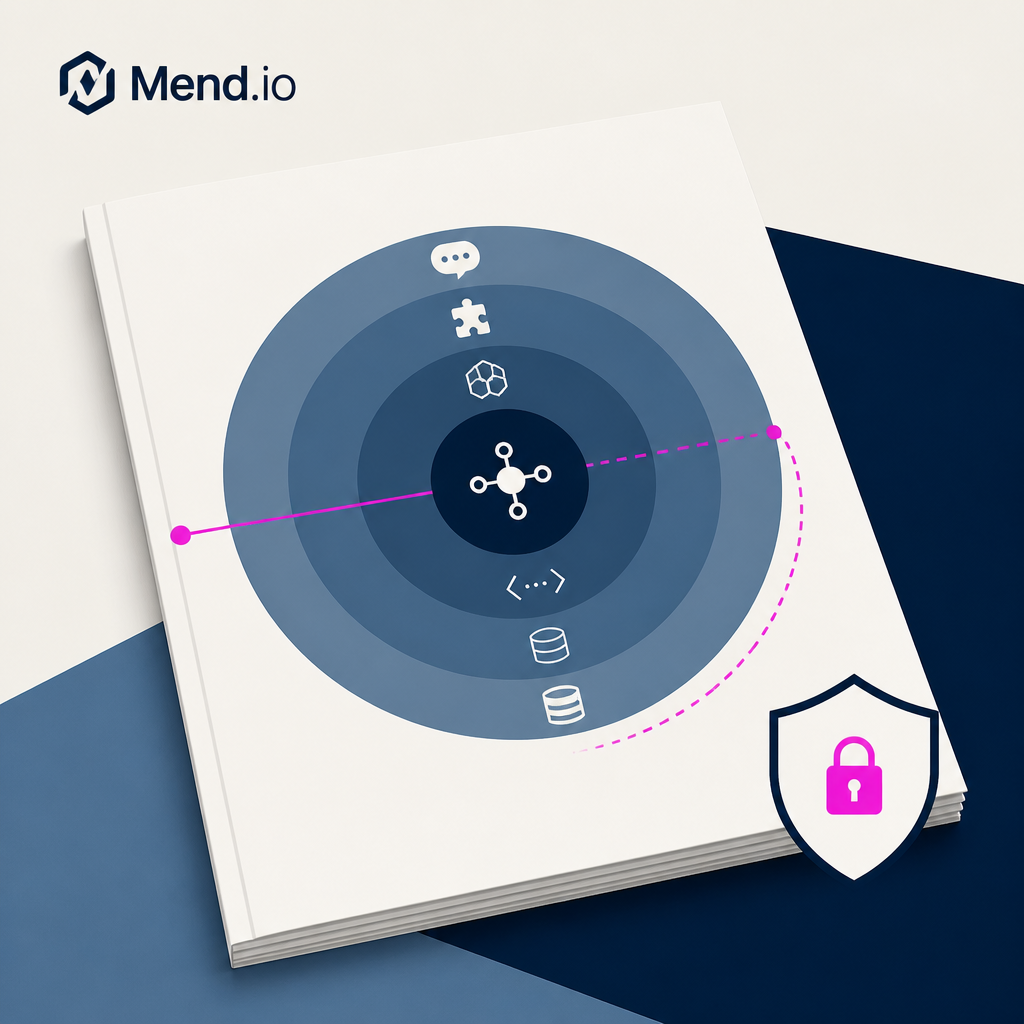
Mend.io published a security framework for AI agents, MCP servers, and LLM applications that addresses how traditional application security fails when agent behavior emerges unpredictably from models, prompts, and tool integrations. The guide provides a five-layer attack surface map covering interactions, agents, integrations, models, and code, plus discovery methods for shadow agents and unregistered servers. Organizations should automate evidence-backed triage while applying runtime guardrails, system prompt hardening, and strict permission controls to protect agentic systems in production.
UNAM administered its entrance exam remotely with AI-powered webcam proctoring in 2025, resulting in unusually high scores that triggered cheating allegations. The top-score rate jumped from 0.9 percent historically to 5.5 percent this year, prompting an expert commission to investigate. The university will now require approximately 58,000 applicants to retake the exam in person, with admission contingent on the new results.
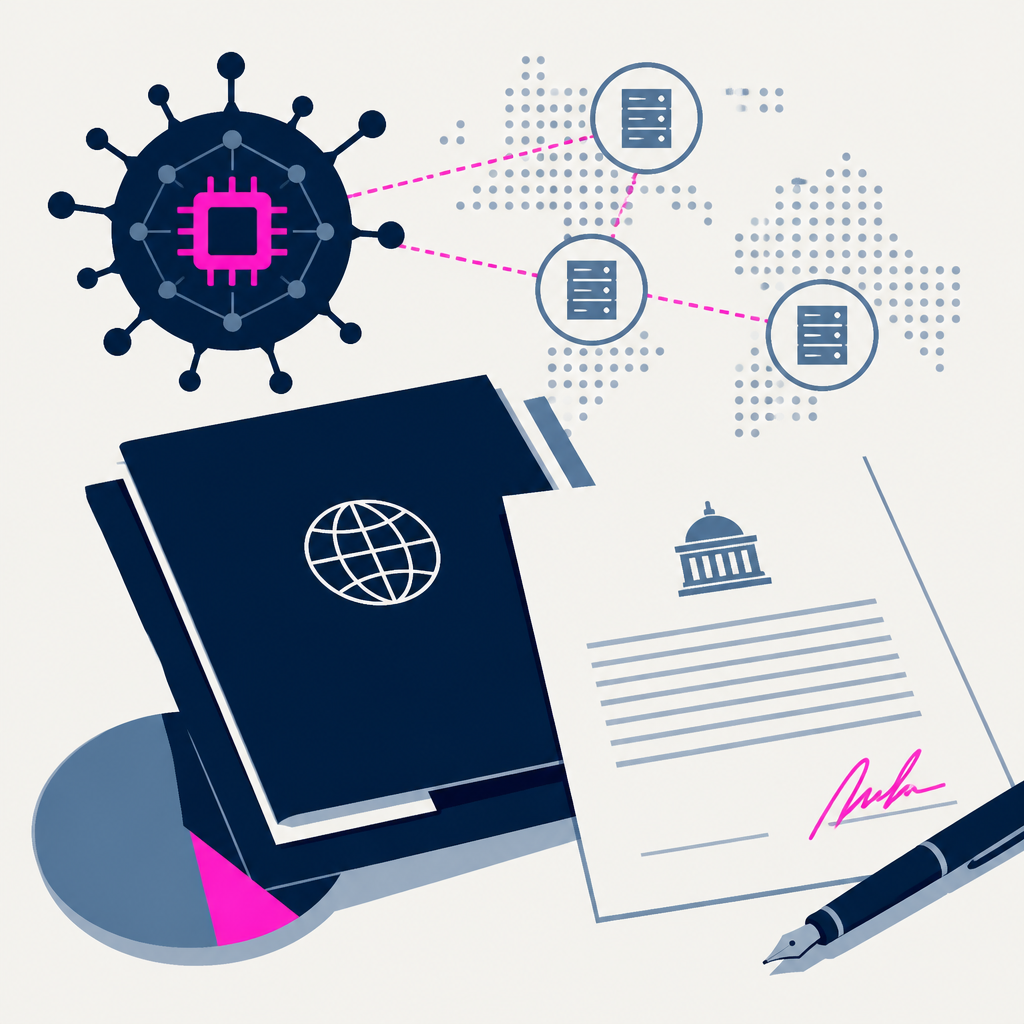
Researchers built a self-replicating AI virus that uses stolen GPU resources to run open-weight LLMs for reasoning about how to infect more computers, achieving a 37% end-to-end attack success rate. Meanwhile, 1,337 employees from major AI labs requested US government support for international governance tools to deliberately pace AI development, citing competitive pressure preventing unilateral slowdown. Separately, new research found that current AI systems excel at engineering but lack the creative insight needed to generate novel research ideas, suggesting recursive self-improvement timelines may be slower than feared.
Google's Chrome security team used AI agents to discover 1,072 vulnerabilities across recent browser releases, including a 13-year-old sandbox escape in the V8 engine, by automating vulnerability detection, triage, and fix generation. The team deployed LLM-powered tools in early 2026 that found bugs with higher efficiency and fewer false positives than prior methods, while simultaneously automating triage workflows that previously required 5-30 minutes per bug. As a result, Chrome is shifting to two security releases per week and piloting dynamic patching to eliminate restart requirements, compressing the window between vulnerability discovery and user protection.
Mexico's National Autonomous University (UNAM) invalidated approximately 3,000 of 150,000 admission exam scores after detecting an unusual spike in perfect scores, suggesting widespread cheating via AI tools or advance question access during the university's first online exam administration. The investigation found a tripling of perfect scores compared to previous years, alongside evidence of students using phones, accomplices, and identity theft during testing. All applicants scoring at the passing threshold from this year or the past five years—roughly 58,000 students—must now retake an in-person control exam before the August 10 semester start, leaving enrollment suspended and thousands of qualified candidates in limbo.
Chinese military-linked AI institutions are using model distillation to extract capabilities from U.S. frontier models by OpenAI and Anthropic, circumventing American export controls on advanced chips. Reuters reviewed over 80 academic papers and patents showing multiple cases including PLA Unit 96941 distilling GPT-3.5 for military code processing and defense researchers using Claude 3 Haiku for social media surveillance systems. This practice threatens U.S. export control effectiveness and IP rights, though experts say distilled systems remain dependent on original U.S. breakthroughs rather than achieving independent parity.
Every AI story that matters,
in your inbox by 8am.
TLDRocket reads all relevant sources, removes duplicate coverage, and summarises the
day in two minutes. Follow companies and topics for alerts, or get the
briefing in Slack. Free, no spam, unsubscribe anytime.
Reading TLDRocket needs no cookies, and the readership counts we rely on come from
our own cookieless analytics. Google Analytics is the exception: it sets cookies and
reports to Google, so it stays switched off until you allow it. You can change your
mind any time from “Cookie settings” in the footer.
Strictly necessary
Session security and form protection (tldrocket-session,
XSRF-TOKEN, 2 hours). The site cannot work without them,
so they need no consent.
Always on
Google Analytics 4 (_ga,
_ga_<id>, up to 2 years). Measures which
stories and sections readers use. Google acts as a third-party processor and may
store the data outside the EU. No advertising, no profiling, no data sold.