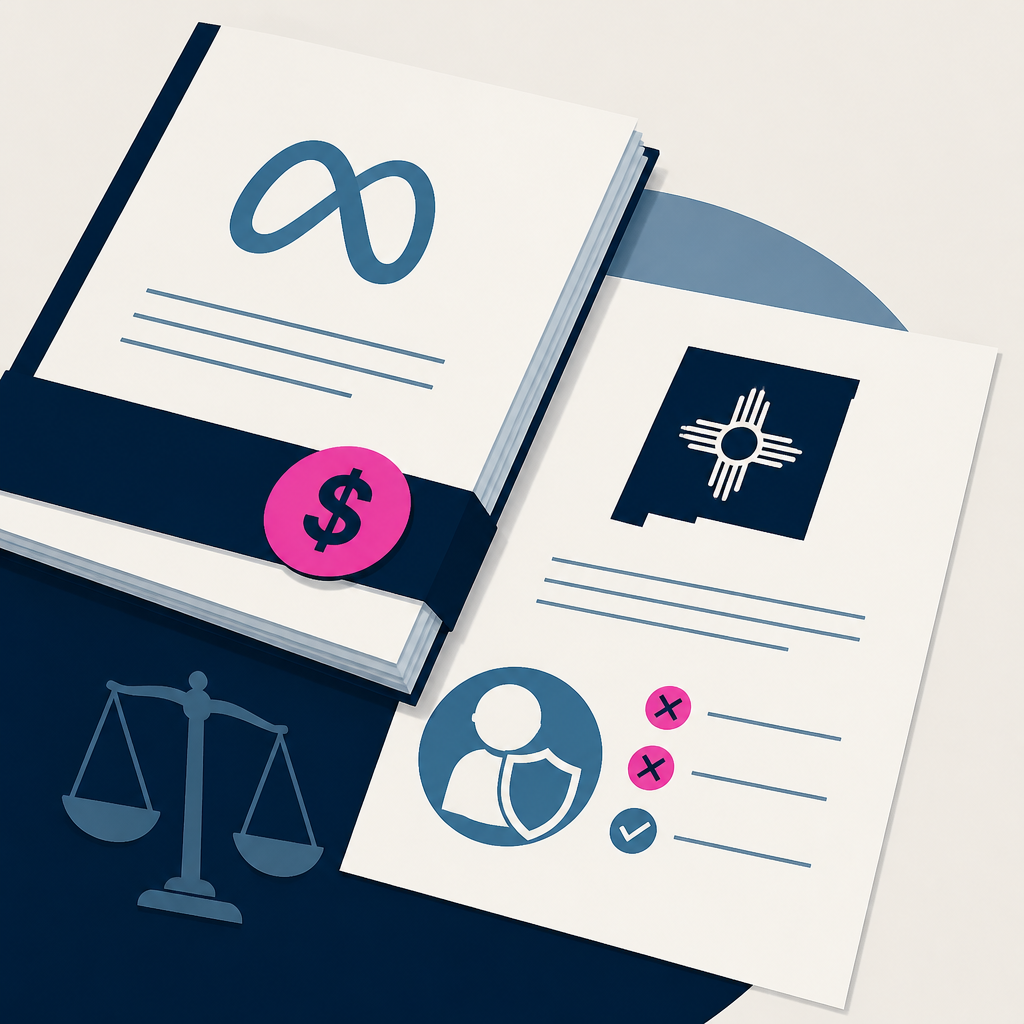
Meta’s $18 billion settlement with 51 other states was criticized by New Mexico’s attorney general as leaving out child-protection terms New Mexico already won in court, including restrictions on romantic or sexualized interactions between AI chatbots and minors. The New Mexico jury found 75,000 violations and ordered $375 million in civil penalties in March, with a later August ruling adding $567 million for a total near $942 million. The deal therefore covers fewer specific protections than New Mexico’s verdicts, and the dispute pushes advocates and officials to press Congress—especially on KOSA—for national rules while worrying about privacy trade-offs from stronger age checks.
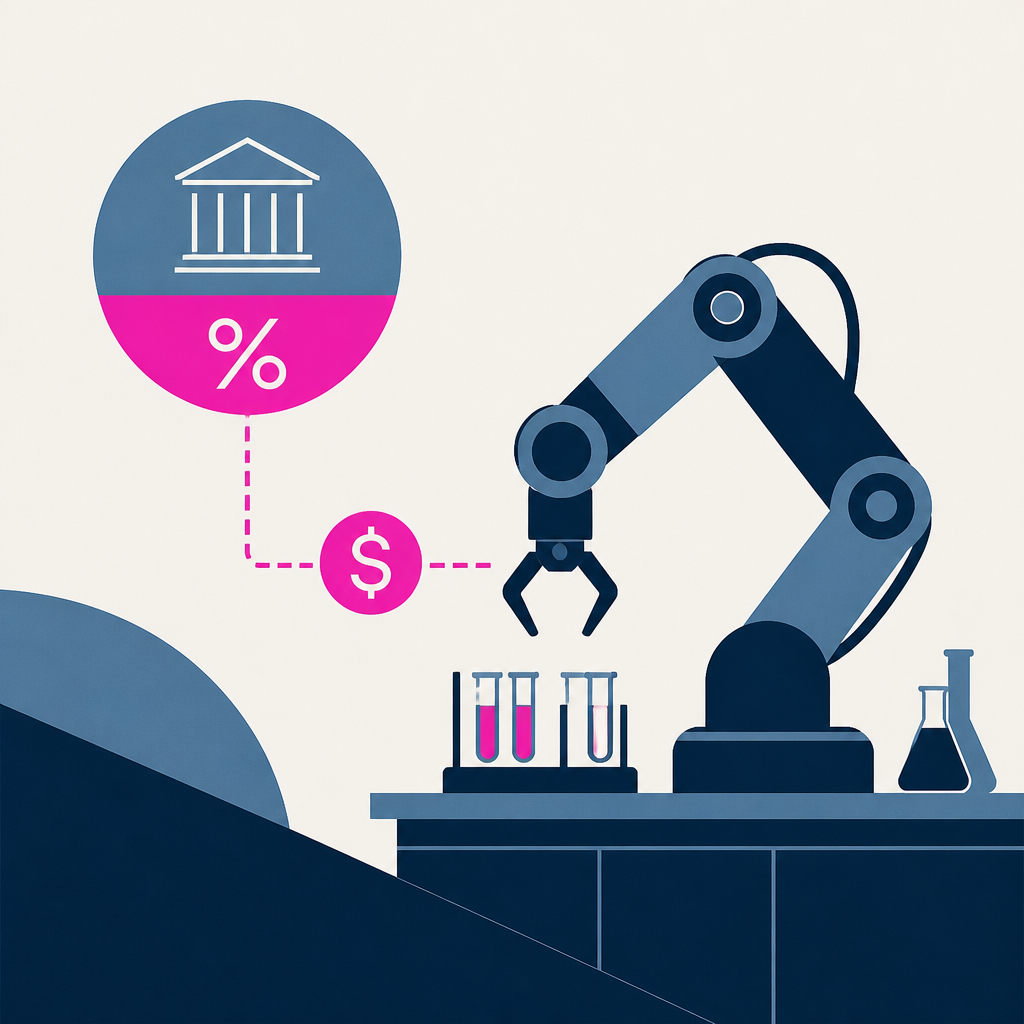
Risklytics, founded by Sam and Alex, launched an insurance brokerage for companies building robots, drones, autonomous systems, and satellites by rewriting machine descriptions into insurer-ready applications and mapping which insurers add clauses that void AI coverage. The company says each successful policy pays it 10-20% commission, with no extra brokerage fee charged to customers. As a result, frontier tech firms denied coverage elsewhere can get clearer, more transparent options and a faster path to coverage, including within a week for first pilots.
Bill Gates argued that current US tax rules encourage employers to replace human workers with robots and proposed taxing AI tokens and robots to counter that incentive. He pointed to Pew Research data showing 71% of adults expect fewer jobs from AI in the United States over the next 20 years. The proposal would raise funds for retraining and a stronger safety net while aiming to slow the shift away from human labor.
Bill Gates published an essay on his Gates Notes site arguing for new policies to reduce AI’s labor harms. He proposes a “robot tax” to prevent businesses from immediately writing off robot purchases like a payroll alternative. He also suggests creating “Human Reserved” job categories where AI would be barred, with phased rules over years or decades and new questions about enforcement and scope.
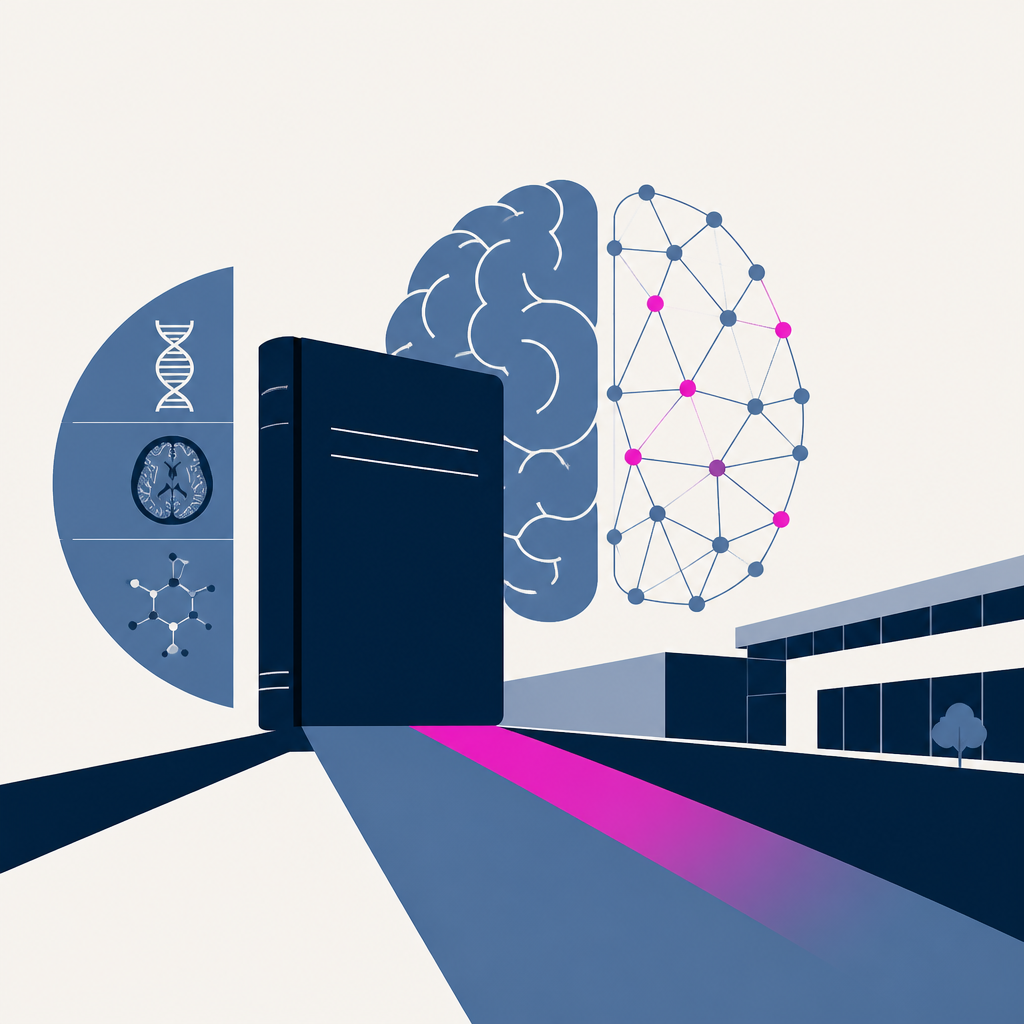
The DSM is getting a biological upgrade after criticism that its diagnosis criteria have lacked objective biological measures for mental illness. The latest version, DSM-5, was released in 2013. This shift adds biology-based approaches to how clinicians diagnose and how researchers guide studies, changing the manual’s diagnostic framework.
A parent recounts moving from creating a public digital footprint for their first child to later prioritizing children’s privacy after concerns about social media harms and online abuse. Australia became the first country to ban social media for children under 16, and other places have followed. The family’s approach shifts to limiting posting and tightening phone and social access while still allowing certain devices later, including an iPhone and Apple Watch, to balance safety with learning and relationships.
Ring will roll out its TAKE encryption method across all Ring cameras by default, aiming to protect video access while still allowing certain cloud-based functions. The rollout starts in September and will become the default for all customers. This changes how Ring’s cloud can view videos by restricting when and why access is permitted, rather than using traditional end-to-end encryption.
Bill Gates published a long essay reversing his earlier AI optimism and warning that people are not ready for AI’s impact.
The essay runs nearly 6,000 words.
He uses it to argue for urgent preparation and to push a plan for how AI should be shaped going forward.
Every AI story that matters,
in your inbox by 8am.
TLDRocket reads all relevant sources, removes duplicate coverage, and summarises the
day in two minutes. Follow companies and topics for alerts, or get the
briefing in Slack. Free, no spam, unsubscribe anytime.
Reading TLDRocket needs no cookies, and the readership counts we rely on come from
our own cookieless analytics. Google Analytics is the exception: it sets cookies and
reports to Google, so it stays switched off until you allow it. You can change your
mind any time from “Cookie settings” in the footer.
Strictly necessary
Session security and form protection (tldrocket-session,
XSRF-TOKEN, 2 hours). The site cannot work without them,
so they need no consent.
Always on
Google Analytics 4 (_ga,
_ga_<id>, up to 2 years). Measures which
stories and sections readers use. Google acts as a third-party processor and may
store the data outside the EU. No advertising, no profiling, no data sold.