
Instagram is like a digital cigarette and box of chocolates that 'encourages gluttony.' How do you fix that?
Fortune Tatiana Sataua
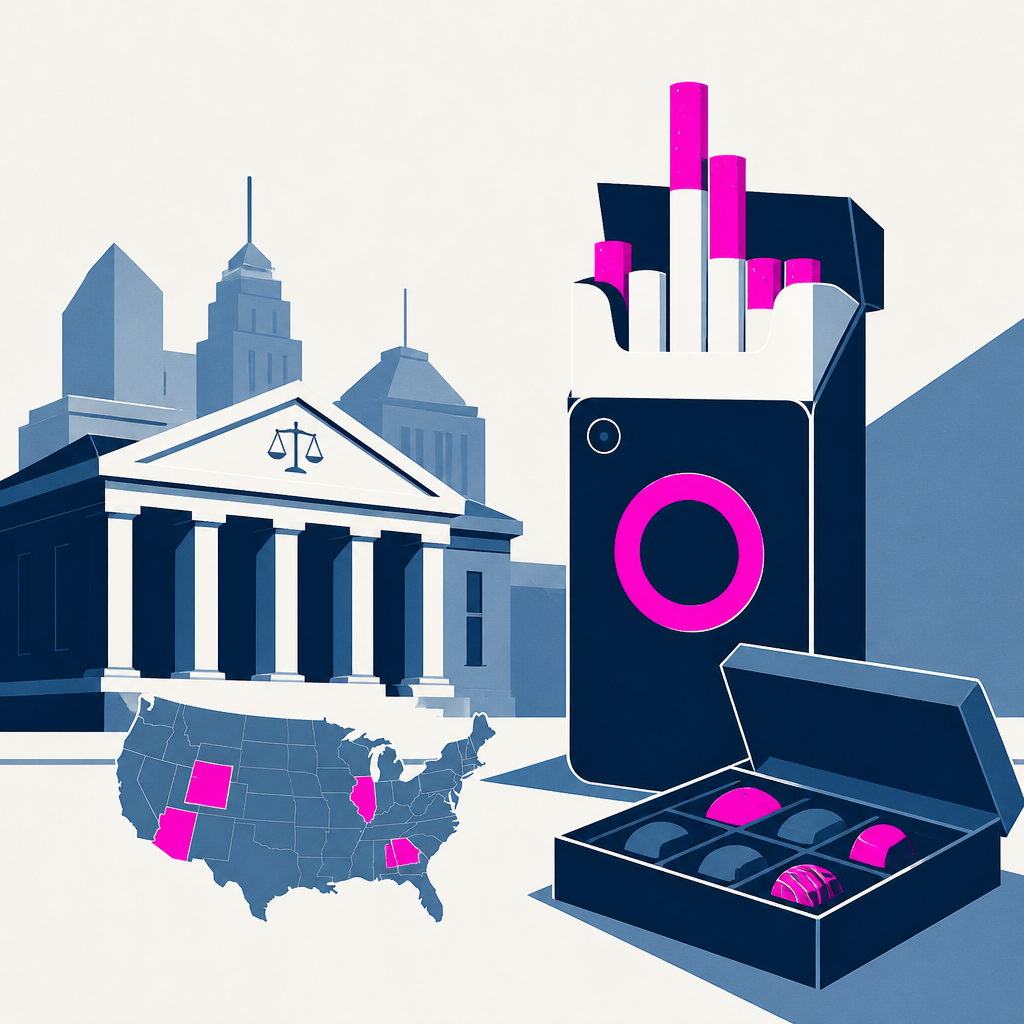
Meta may have built Instagram to be hard to stop using. Now four states are testing whether that design went too far for teens.
Based on reporting by Fortune, Tatiana Sataua — read the original for the full story.
Summary, retelling and take written by AI under human oversight; images are AI-generated illustrations. How we work · Report an error
Meta’s child-safety fight is being framed like a Big Tobacco sequel, but the comparison has a wrinkle: cigarettes don’t study the user. Instagram does. Its recommendation systems learn what keeps people watching, infinite scroll removes the natural pause, and autoplay hands over the next clip before anyone has to ask for it.
That design is now at the center of a case in Oakland, where California, Colorado, Kentucky and New Jersey are trying to show Meta built Instagram and Facebook to keep young users hooked. Meta says the lawsuit could expose it to theoretical penalties of $1.4 trillion. The larger product question is nastier: if the company has to rein in infinite scroll, autoplay, notifications and recommendations, what’s left of the app that made Instagram so sticky in the first place?
Larry Magid, a longtime online-safety advocate who has advised Meta, thinks the cigarette analogy only goes so far. He prefers chocolate. Social media can still do useful things, he says: help young people keep friendships, find communities, organize around causes and get information. The problem, in his view, is not simply that people use it a lot. It’s that the algorithms keep refilling the bowl.
Magid tried the opposite experiment himself. He switched his Facebook feed to chronological order and found it boring enough to send him back to the algorithm. That is the trap Meta may have to solve. A recommendation system can help users find posts they actually want, but it can also push them deeper and deeper into whatever keeps them engaged.
Magid’s answer is less aggressive recommendations and more emphasis on a user’s social graph: the friends, communities and interests people have actively chosen. He also draws a sharp contrast between his own relatively tame feeds, which tend to show aviation, news and the occasional political disagreement, and what some teenagers describe seeing: misogyny, homophobia and racism. Meta says less than 1% of its revenue comes from teens on Instagram, and Magid argues that a less addictive version for younger users could even build trust rather than damage the business.
The legal fight may echo well beyond the product itself. UC Berkeley law professor Stavros Gadinis says the trial is creating a public record of internal documents, testimony and allegations that Meta’s board cannot simply unsee. Even if the company wins in Oakland, the evidence surfacing now could make it much harder for directors to shrug off future warnings about how the platform keeps young users engaged.
My take — AI-written commentary, not fact-checked reporting
This is what happens when a product team spends years polishing friction out of an app and then acts surprised when courts notice the missing brakes. The open-web crowd has been warning for ages that engagement-maximizing systems eventually look less like services and more like habits with a business model. Meta built the machine; now it gets to explain why it whirs so loudly.
Read more about this at: Fortune
Related stories
 'You only get like two hours of alcohol or two hours of cigarettes a day': Former Meta engineer on child safety settlement
Fortune ·
25
'You only get like two hours of alcohol or two hours of cigarettes a day': Former Meta engineer on child safety settlement
Fortune ·
25
 A flawed system and one man's hubris cost Meta shareholders $17 billion
Fortune ·
50
A flawed system and one man's hubris cost Meta shareholders $17 billion
Fortune ·
50