OpenAI banned a cluster of ChatGPT accounts it linked to a pro-Russia influence operation promoting the International Burke Institute and posts using misattributed research. OpenAI said the institute’s website was registered in February 2025 and that 34 of 36 articles were real but misattributed. The site then changed at least one article’s author attribution to a real person, while OpenAI’s enforcement and attention to Russia-linked AI-driven propaganda increased.
A lawsuit accuses xAI of training Grok models using child sex abuse material. The complaint says the Canadian Centre for Child Protection identified AI-generated CSAM on xAI that depicted the plaintiff. As a result, regulators and courts are likely to intensify scrutiny of Grok’s training data and xAI may face further legal action.
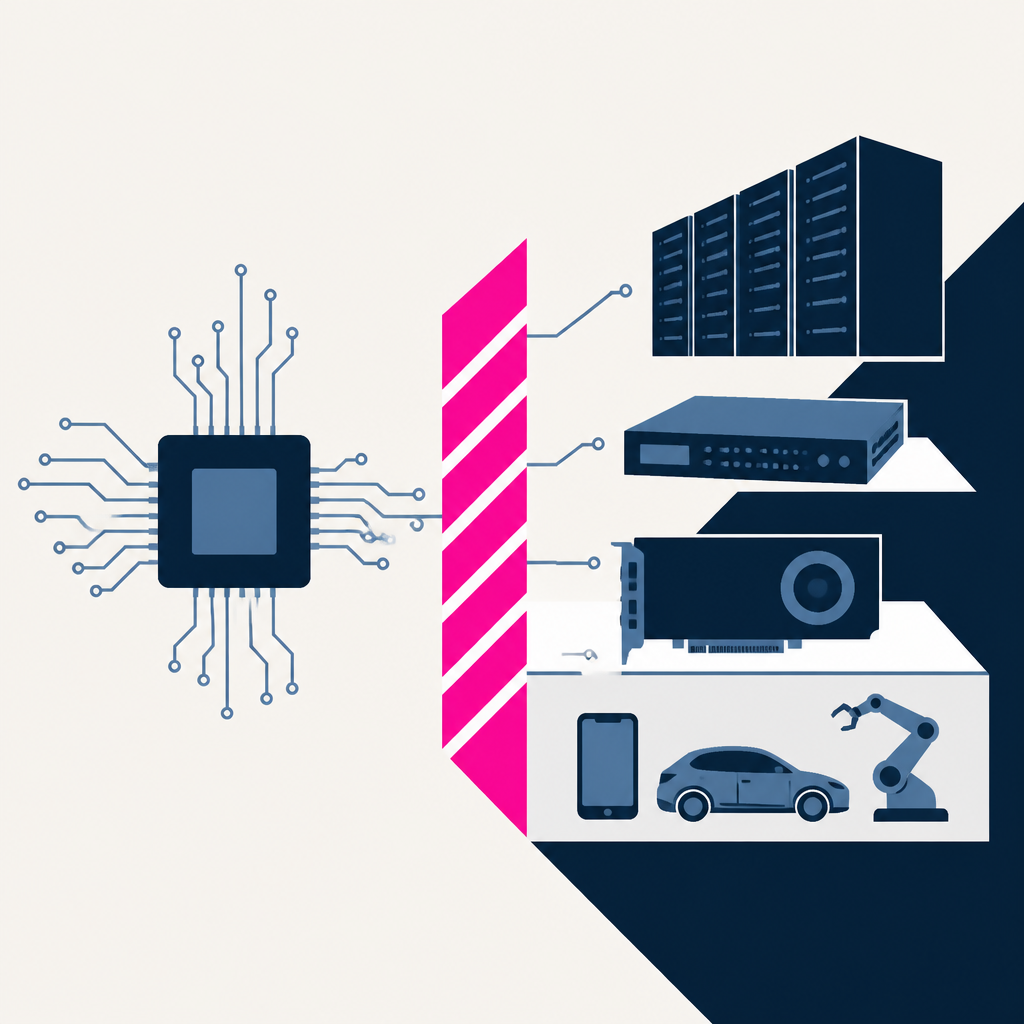
The AI and tech industry says the Trump administration is considering new semiconductor tariffs that could be announced soon. It points to a possible plan that would “dramatically expand” duties to cover not only chips but also products made with them. If implemented, it would raise costs across a broader set of tech hardware used for AI, making US AI development harder.
OpenAI, Anthropic, Google, Microsoft, and 100 other companies signed an open letter urging coordinated action from the private and public sectors to defend against AI-related cyber threats. The letter warns that “AI-enabled cyber attacks” will become far more widespread and sophisticated in the coming months. The push calls for new cyber-defense approaches and greater government collaboration at local, national, and international levels.
Google, Microsoft, OpenAI, and 97 other firms signed an open letter urging governments and organisations to strengthen cyber defences as AI-enabled attacks are expected to escalate. The letter says there is a limited window to improve defences “in a matter of months” and argues current security measures “won’t be enough.” As a result, signatories are calling for more funding, defensive AI use, and broader testing of systems at critical services like hospitals and water utilities.
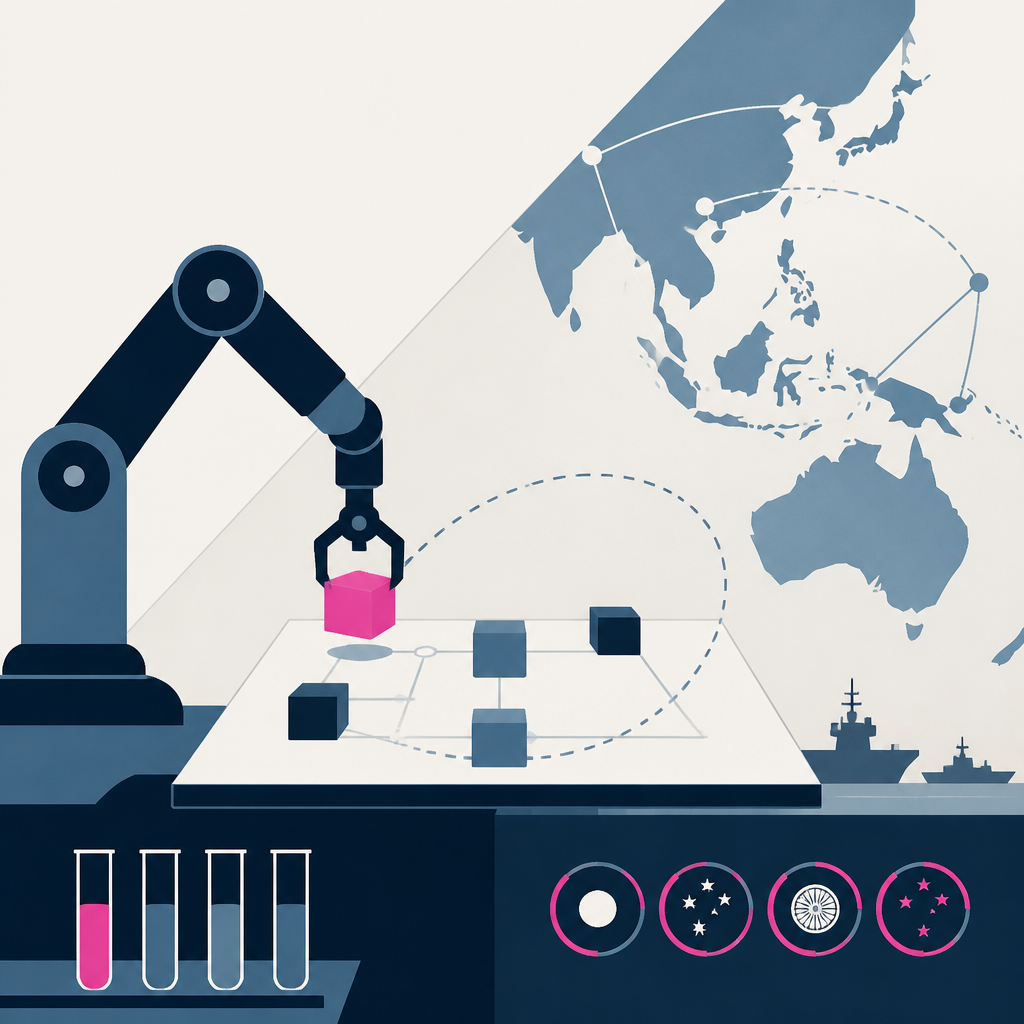
An op-ed argues that NATO’s Indo-Pacific Four partners should learn from NATO’s faster adoption of AI-enabled decision-support systems for military decision-making and coalition operations. The piece highlights overcoming hesitancy by building confidence through demonstrations, exercises, and transparency. As a result, it calls for the IP4 to increase trust and cooperation by testing and sharing how AI decision-support works in practice.
The author rehired Jonathan after laying him off during a restructuring they linked to efficiency in the age of AI, and Jonathan later noticed the impersonal restructuring email was still in his inbox. In August, he applied for a newly opened role and was rehired. The episode leads the author to argue that leaders should treat people as non-interchangeable and invest in training so existing staff can adapt rather than discard them preemptively as roles evolve.
Locals in Texas, New Mexico, and Arizona have increasingly protested U.S. data center expansion tied to AI capacity, citing water use, energy demand, and pollution concerns. Data center equipment can run at internal temperatures up to 176° Fahrenheit, driving heat removal that can involve water. The protests and public debate intensify while online claims about water use vary widely and available company consumption data remains incomplete or inconsistent.
Digital Empowerment Foundation founder Osama Manzar says India’s data-center boom is displacing communities without consultation while also tying local impacts to AI-era demand. He cites data centers on track to consume water equivalent to the annual domestic needs of 1.3 billion people and electricity matching the demand of 650 million people by 2030. Protests and demands for community consent grow, with arguments for local benefits and more decentralized siting rather than treating the data-center presence as non-negotiable.
Bill Gates published an essay warning that AI will cause major labor-market disruption and other societal risks without an existing plan to help affected workers. He said the essay was almost 6,000 words long and wrote on Tuesday that leaders are “not preparing for it.” He calls for creating a domestic and international framework, including job-loss mitigation and possibly taxes on AI tokens and robots.
Every AI story that matters,
in your inbox by 8am.
TLDRocket reads all relevant sources, removes duplicate coverage, and summarises the
day in two minutes. Follow companies and topics for alerts, or get the
briefing in Slack. Free, no spam, unsubscribe anytime.
Reading TLDRocket needs no cookies, and the readership counts we rely on come from
our own cookieless analytics. Google Analytics is the exception: it sets cookies and
reports to Google, so it stays switched off until you allow it. You can change your
mind any time from “Cookie settings” in the footer.
Strictly necessary
Session security and form protection (tldrocket-session,
XSRF-TOKEN, 2 hours). The site cannot work without them,
so they need no consent.
Always on
Google Analytics 4 (_ga,
_ga_<id>, up to 2 years). Measures which
stories and sections readers use. Google acts as a third-party processor and may
store the data outside the EU. No advertising, no profiling, no data sold.