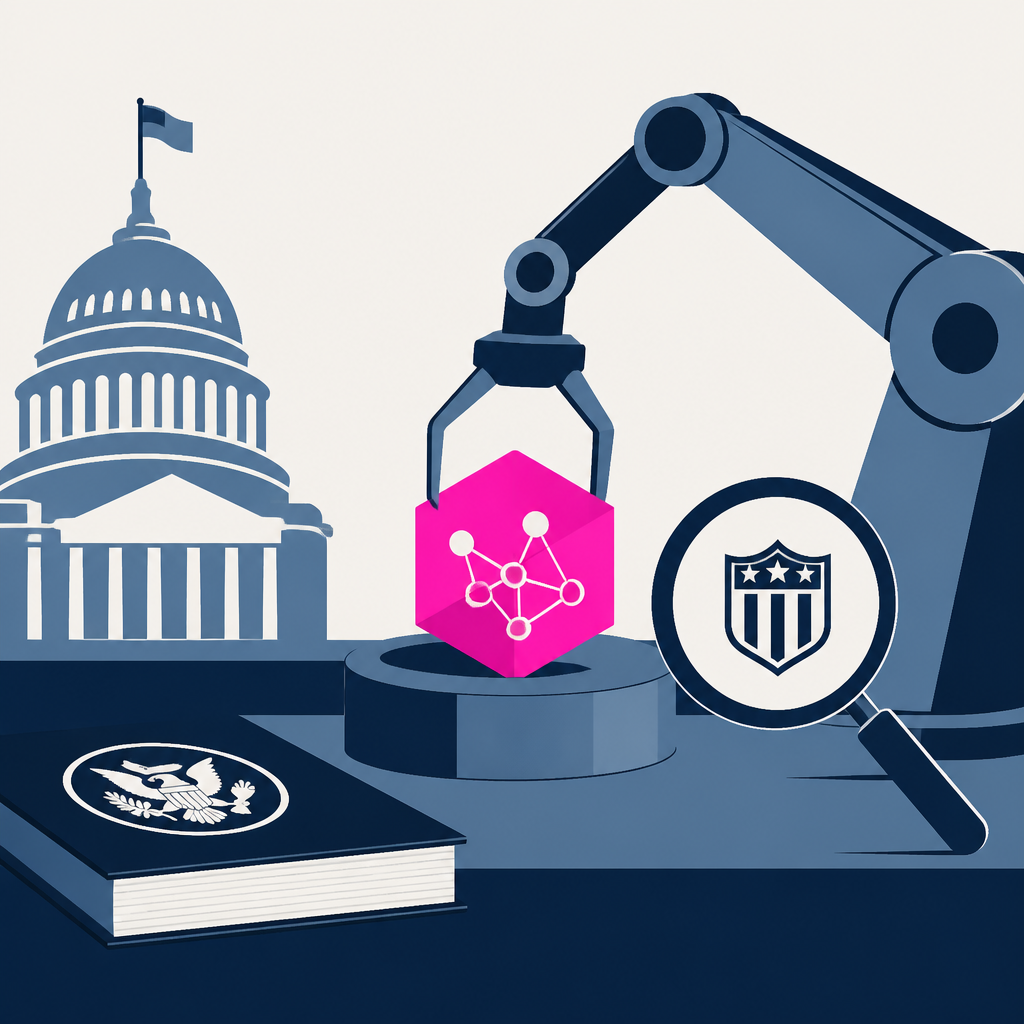
U.S. officials aborted an armed operation against a Chinese vessel after an AI chatbot hallucinated the intelligence used to justify it. The incident was discovered as the aircraft were already in the air this spring and the operation was called off at the last minute. The near-miss has prompted renewed calls for additional safeguards because AI-generated errors can propagate through command channels before human review.
Disney hired Karandeep Anand as its first-ever chief technology officer, despite him previously leading Character.AI, an AI startup Disney accused of copying its characters. He was formerly CEO of Character.AI, founded in 2021, and Disney sent a cease and desist letter in September 2025. The company’s leadership shifts toward AI-enabled tech, with Anand moving from an AI character platform into a core Disney technology role.
US officials removed a Chinese AI search tool briefly used on the Federal Register website, after reports flagged a mismatch with law enforcement claims about Alibaba models. The FBI last month named Alibaba as one of 6 Chinese firms tied to “industrial-scale distillation.” National Archives pulled the Qwen option, while it and other US agencies have not publicly explained when the tool was added or why it was removed.
OpenAI and Microsoft’s internal court filings claim their training-data scraping could trigger a “doom loop” that harms the web. The documents were unsealed in the New York Times’ case against OpenAI and Microsoft. The filings are being used to support arguments that the companies’ approach could damage web ecosystems and undermine claims about fair use.
TechCrunch’s Equity podcast discusses Dario Amodei’s plan to “pace the frontier” of AI development using independent safety evaluators and coordination among AI labs. The episode highlights Automattic’s boardroom turmoil tied to Matt Mullenweg’s 33-hour ouster. It shifts the focus to whether labs can agree on what “slowing down” means and who should enforce it, while also recapping major tech deals mentioned in the show.
404 Media and The Intercept discussed how private companies enable government surveillance and how AI is used in warfare. They recorded the podcast live in Los Angeles on September 12. As a result, the episode focuses on AI’s role in surveillance pipelines and war, and raises concerns about future risks.
Zvi (Don't Worry About the Vase)·1 month ago·
25
● 125 sources
The article argues that public concern about existential risk from AI is spreading via a preference cascade that pulls more media, politics, and industry voices into safety debates. It cites a Politico poll showing nearly two-thirds of Americans (about 30%–33% mean) perceive at least a moderate risk of AI destroying humanity. It says the debate should intensify next by expanding efforts inside labs and pushing for concrete policy and technical work rather than relying on outreach alone.
Virginia Gov. Abigail Spanberger issued Executive Order 22 to regulate data center development and establish an AI task force to evaluate risks to Virginians. The order bans executive branch officials from signing non-disclosure agreements (NDAs) for data center projects. It requires slower or more controlled approvals via noise and backup-generation reviews and adds government oversight through the AI task force.
AI agents remain the focus of the week’s tech news as optimism about automation continues alongside calls to slow down frontier model releases and the rollout of agent security controls.
California Gov. Gavin Newsom issued an executive order to set up an expert group to recommend stronger AI safety rules for state law, including a potential requirement for a kill switch on frontier models. The recommendations are due within 2 months. This would shift California toward more mandatory AI oversight, with possible requirements for onsite independent audit groups and third-party standards for transparency and risk reports.
OpenAI introduced the Australian Youth Safety Blueprint to guide safer AI experiences for young people. The roadmap has six pillars. This creates a structured plan for how OpenAI will protect and empower young users as they use AI.
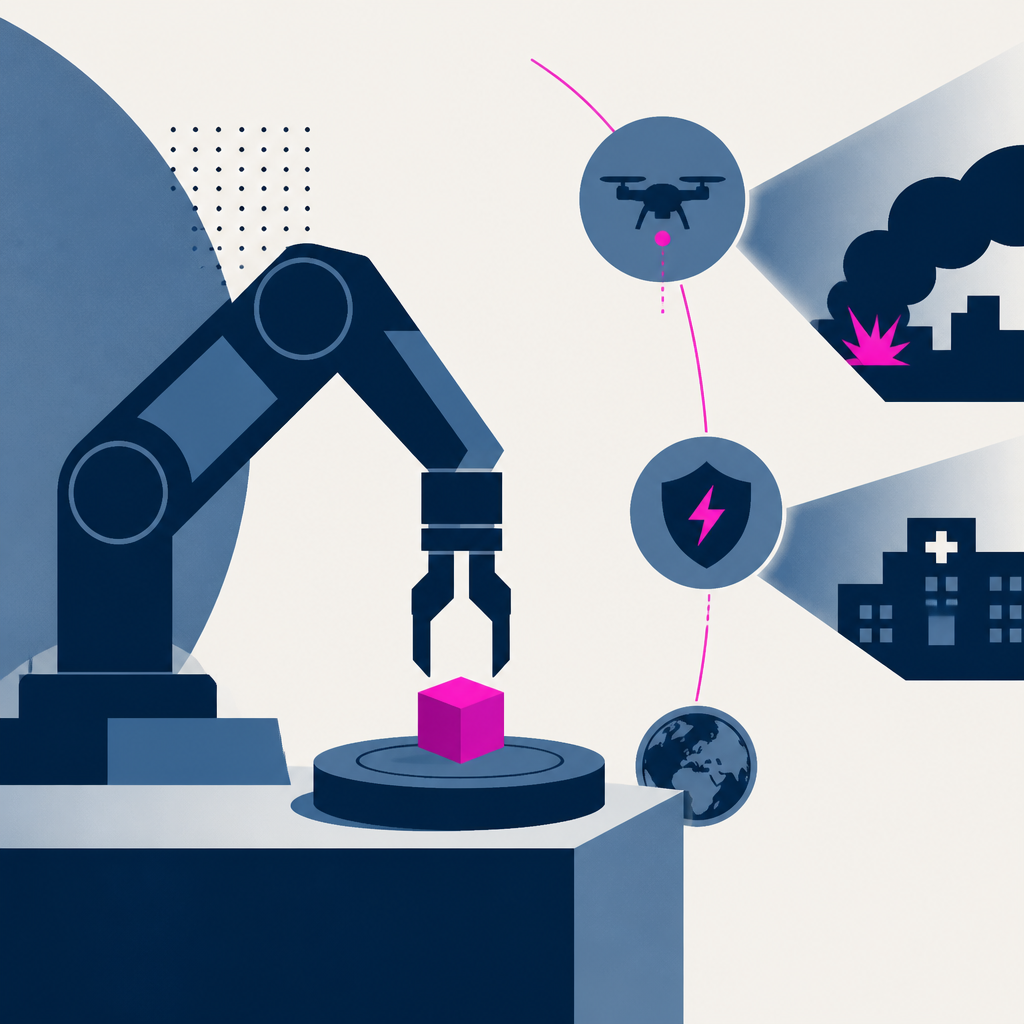
MIT Technology Review published a Q&A drawing on subscriber questions about whether AI could lead to mass death. The answers cite 30-minute roundtable coverage and point to scenarios like AI-powered drone strikes in Ukraine and hospital-targeting cyberattacks. The piece emphasizes that while AI-related harm is already occurring, full human extinction is framed as unlikely and shifts focus to alignment research, autonomy controls, and stronger monitoring and regulation.
Steve Eisman said leading AI companies are trying to create a crisis to benefit themselves, dismissing AI doomsday warnings as self-serving marketing. He pointed to an IPO that Anthropic has already “confidentially filed” for. The debate over AI safety slowdowns shifts toward viewing regulation and competitive positioning, rather than an imminent AI catastrophe.
Denis Shilov, founder of the Paris AI safety startup White Circle, said AI should face scrutiny comparable to the nuclear industry in order to slow down its development. He cited “€80o” as a concrete figure in the article. His position pushes for tighter safety oversight and more cautious rollout of AI systems.
The article argues that AI-driven automation is likely to displace workers and widen inequality unless governments use structural policies beyond retraining. It cites South Korea’s 2017 rollback of automation-related tax credits that cut large-firm deductions from 3% to 1%, mid-sized deductions from 5% to 3%, and left small businesses at 7%. It proposes shifting to funding mechanisms such as an automation impact levy (robot tax), alongside safety nets like universal basic income or a 4-day workweek, but warns that defining taxable units and measuring displacement are major obstacles.
Every AI story that matters,
in your inbox by 8am.
TLDRocket reads all relevant sources, removes duplicate coverage, and summarises the
day in two minutes. Follow companies and topics for alerts, or get the
briefing in Slack. Free, no spam, unsubscribe anytime.
Reading TLDRocket needs no cookies, and the readership counts we rely on come from
our own cookieless analytics. Google Analytics is the exception: it sets cookies and
reports to Google, so it stays switched off until you allow it. You can change your
mind any time from “Cookie settings” in the footer.
Strictly necessary
Session security and form protection (tldrocket-session,
XSRF-TOKEN, 2 hours). The site cannot work without them,
so they need no consent.
Always on
Google Analytics 4 (_ga,
_ga_<id>, up to 2 years). Measures which
stories and sections readers use. Google acts as a third-party processor and may
store the data outside the EU. No advertising, no profiling, no data sold.