The case for a robot tax to redistribute wealth
Rest of World Alessandro Crimi
Opinion — commentary, not a factual news event.
AI could widen inequality unless governments tax the gains and share them. The idea is a robot tax: slow automation a bit, fund safety nets, and stop losses being socialized.
Based on reporting by Rest of World, Alessandro Crimi — read the original for the full story.
Summary, retelling and take written by AI under human oversight; images are AI-generated illustrations. How we work · Report an error
AI is being sold as a huge engine for innovation, education, production, and problem solving. The source argues that same machine can also deepen inequality, squeeze wages, and make environmental problems worse if policy treats it like a neutral miracle instead of a force that redistributes power.
That’s why the piece pushes back on the usual answer: retrain everyone and hope for the best. Retraining matters, but it doesn’t absorb the shock of mass displacement on its own. History gets used as the warning sign here. Medieval guilds, churches, monasteries, and informal millwright training did help people move into new work, but new machines did not magically lift living standards for most people.
From there the argument widens. If automation creates wealth by cutting labor costs, then some of that wealth should be routed back through profit sharing, taxation, safety nets, shorter working hours, or even universal basic income. The source calls a four-day workweek a 32-hour standard without pay cuts, and UBI a regular unconditional cash payment to every adult. The point is simple: if the economy changes the rules, the burden should not sit only on displaced workers.
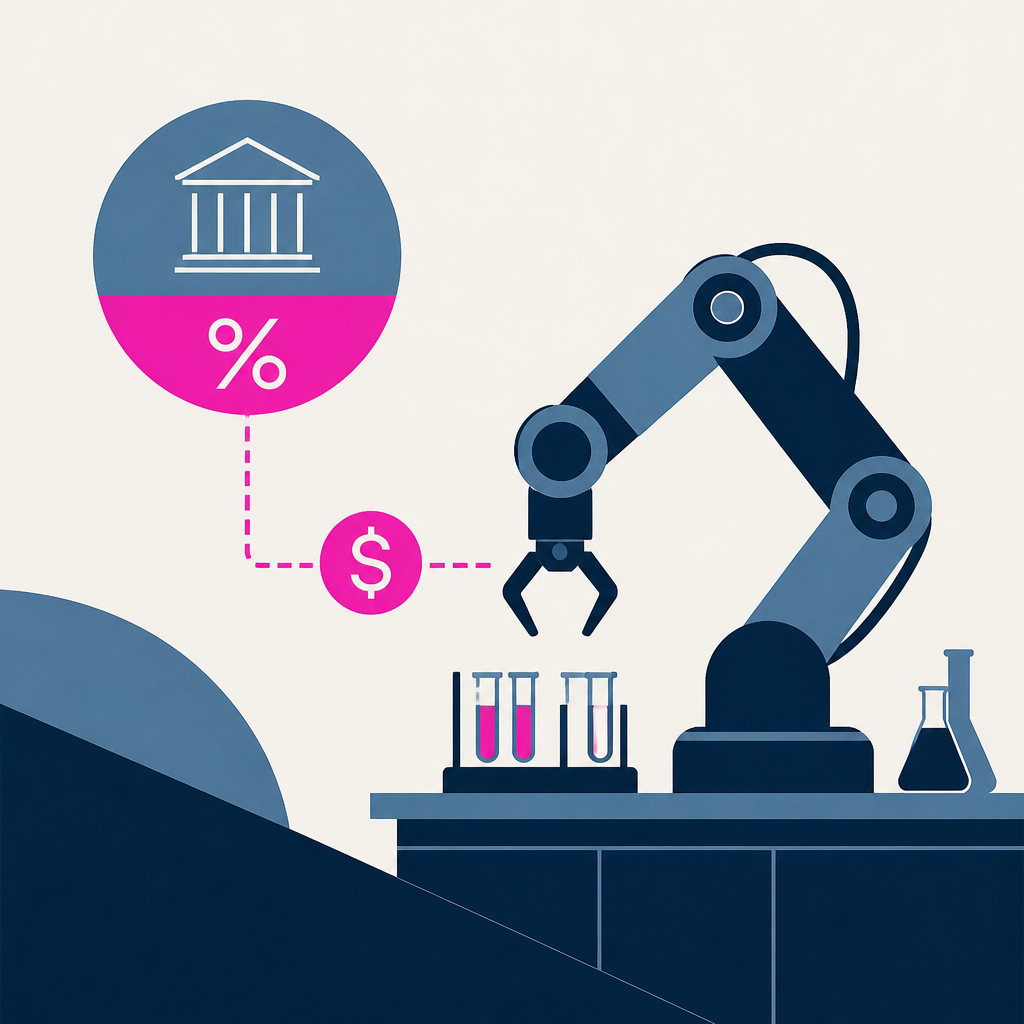
The proposed fix is a robot tax, more precisely an automation impact levy. The idea is to tax the savings a firm gets when it replaces workers, then use that money to support transition policies. The source says experimental evidence suggests such a tax can reduce worker substitution. But it also notes the obvious problem: automation is often software, not a box called “the robot,” which makes the tax hard to define and easy to game.
South Korea offers the closest real-world example, though it was framed as cutting a subsidy rather than taxing robots. In 2017, the Moon Jae-in administration reduced automation tax credits for large firms from 3% to 1% and for mid-sized firms from 5% to 3%, while small businesses kept a 7% benefit. The European Parliament’s 2017 robot tax proposal went down instead. Still, the source’s larger warning is blunt: without policy, AI and automation could leave a smaller group of tech giants with more power, while wages and jobs do the collapsing.
My take — AI-written commentary, not fact-checked reporting
This is one of those cases where the market gets to keep the winnings and society gets the clean-up crew. Calling it a robot tax may sound clumsy, but the real scandal is pretending payroll tax systems make sense in a world where capital is doing more of the work. If the new kings of automation want public patience, they can help pay for the exit ramp.
Read more about this at: Rest of World