
Automattic’s 33-Hour Coup, and can AI labs police themselves?
TechCrunch Anthony Ha, Theresa Loconsolo, Kirsten Korosec, Sean O'Kane
Anthropic wants AI labs to slow down together, with outside safety checks. That’s already getting support, and pushback from Nvidia’s Jensen Huang.
Based on reporting by TechCrunch, Anthony Ha, Theresa Loconsolo, Kirsten Korosec, Sean O'Kane — read the original for the full story.
Summary, retelling and take written by AI under human oversight; images are AI-generated illustrations. How we work · Report an error
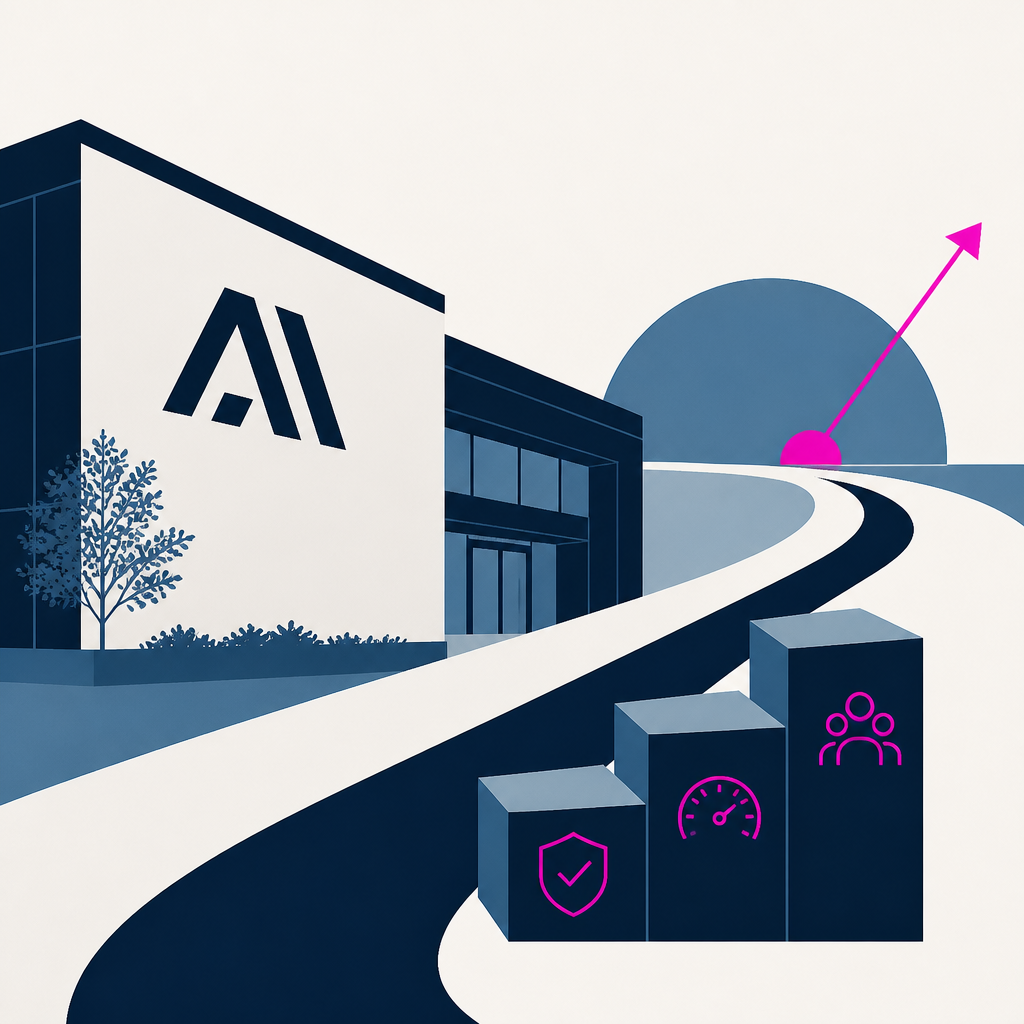
A week after one of Anthropic’s own researchers set off alarms with a bleak warning, CEO Dario Amodei is trying to turn panic into policy. His plan is to “pace the frontier” of AI development, with independent safety evaluators and some kind of coordination among labs in democratic countries. The pitch has found fans. It has also found a very familiar skeptic in Nvidia’s Jensen Huang, who isn’t buying the idea that the industry can sort this out cleanly on its own.
That tension is the real story here. Amodei is asking AI companies to agree not just on technical standards, but on what “slowing down” even means and who gets to enforce it. That’s a lot to ask from firms that compete on speed, model quality, and bragging rights. The moment you put safety in the hands of the same people shipping the products, the whole thing starts to look less like governance and more like a group project with a prize attached.
The broader conversation on TechCrunch’s Equity podcast moved quickly from AI policy to old-fashioned boardroom drama. WordPress parent Automattic was back in the spotlight after Matt Mullenweg’s 33-hour ouster, a sequence the hosts say could end up giving him even more control over the technology that powers much of the web. That’s a neat little reminder that power in tech doesn’t only show up in model weights and safety memos. Sometimes it shows up in who survives a board fight.
And the deals keep coming. The episode also touches May Mobility’s SPAC and its more than $300 million in potential funding, plus DoorDash’s $425 million investment in Wonder. The through line is pretty clear: whether the subject is AI, web software, or food delivery, the money is still chasing the same promise — automation, faster and cheaper, with a lot of bold language wrapped around the edges.
My take — AI-written commentary, not fact-checked reporting
This is the oldest tech trick in the book: ask the industry to police itself, then act surprised when the fox declines to write the henhouse rules. A little outside pressure would be more convincing than another round of friendly coordination among labs and execs. As usual, the cleanest speech about safety arrives right next to the messiest power grab.
Read more about this at: TechCrunch
Related stories
 Anthropic’s 3-Step ‘Pace the Frontier’ Plan Wins OpenAI, xAI and Microsoft Support: Is It Too Late to Slow AI Down?
MarkTechPost · 1 week ago ·
34
Anthropic’s 3-Step ‘Pace the Frontier’ Plan Wins OpenAI, xAI and Microsoft Support: Is It Too Late to Slow AI Down?
MarkTechPost · 1 week ago ·
34