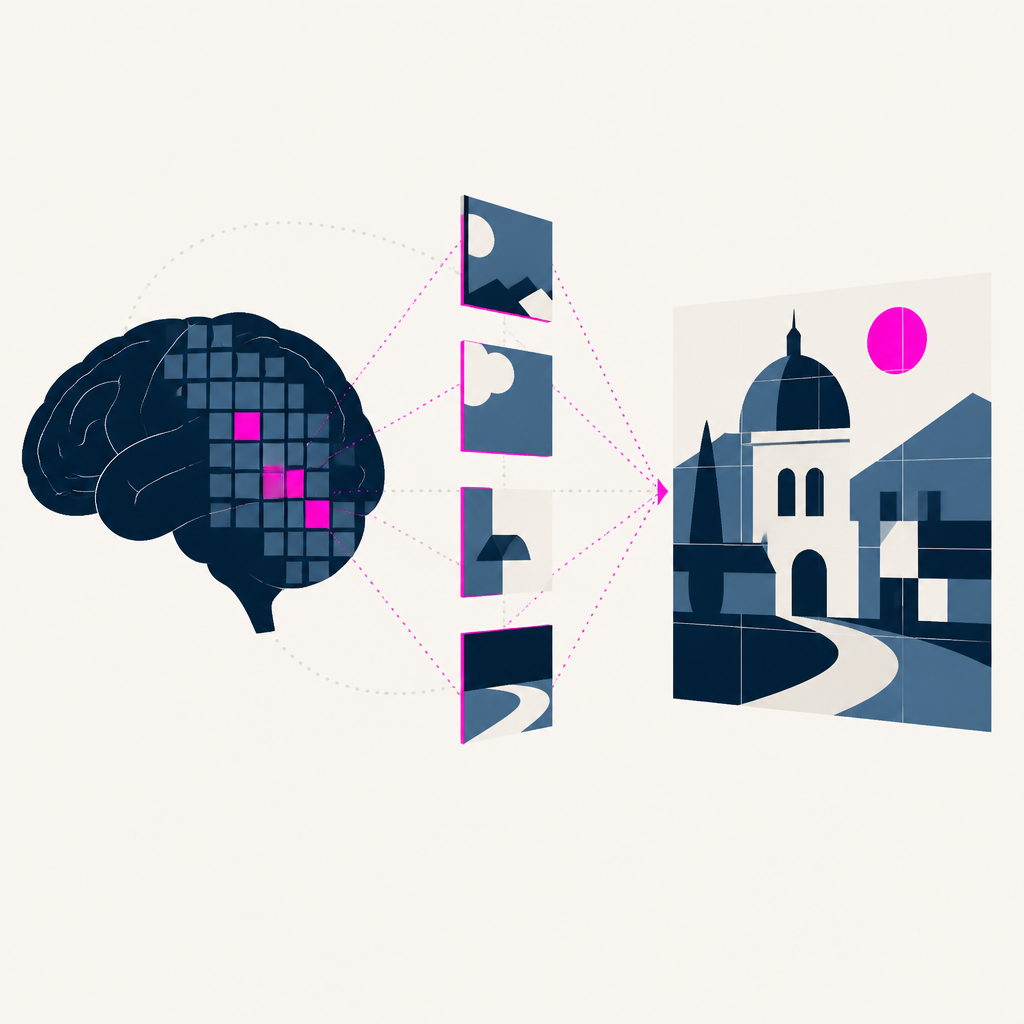
Weizmann researchers introduced Brain-IT, a brain-inspired model that reconstructs images from fMRI recordings by predicting localized image features from brain-voxel clusters. The method produces results comparable to models trained on 40-hour recordings using only 1 hour of fMRI data from a new subject. This lets new subjects require much less scan time while improving how faithfully reconstructed images match what participants saw, outperforming prior approaches on visual quality and standard metrics.
NVIDIA announced $1 billion in commitments to expand U.S. capacity for “super intelligence” research and development over the next five years. The funding is scheduled across five years. It will support higher-education research institutions and investments in areas including quantum computing, healthcare, energy security, and related Genesis Mission projects, with science community collaboration using compute and infrastructure.
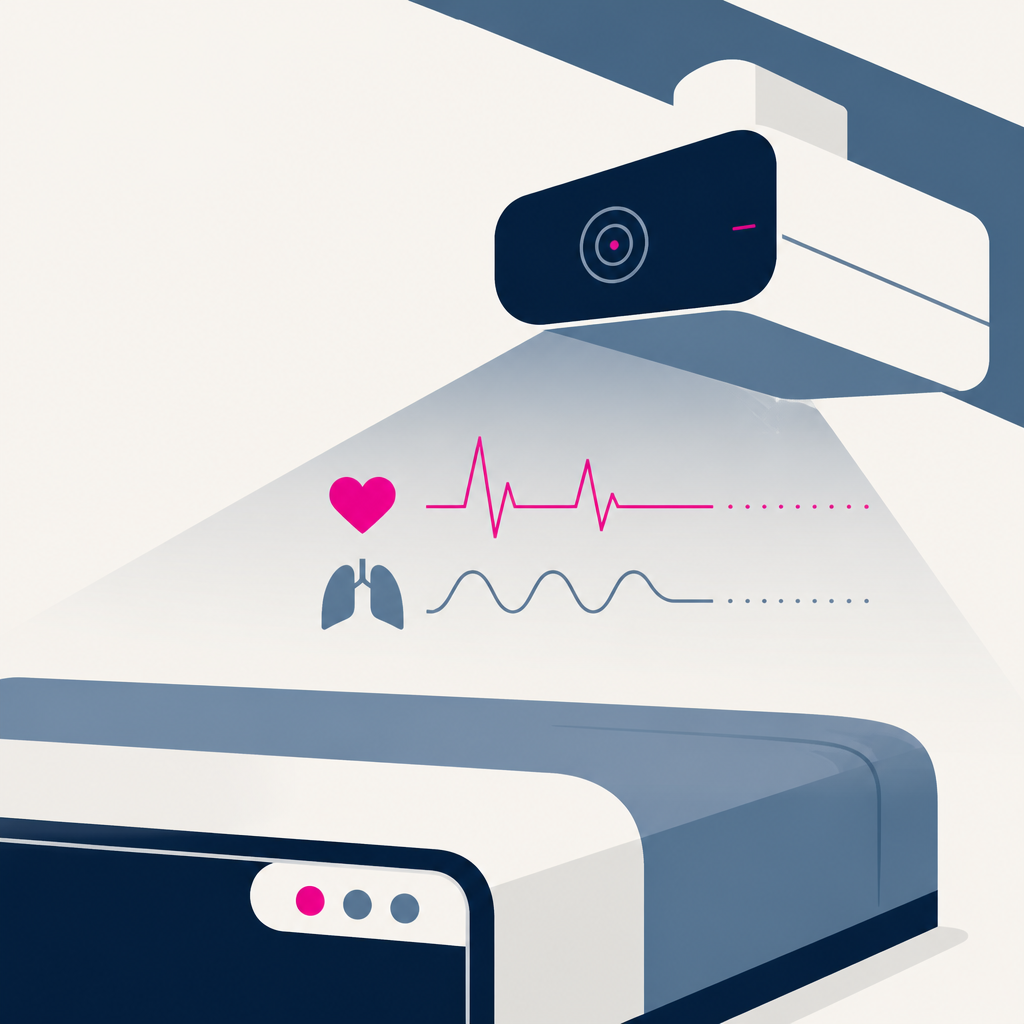
Teladoc introduced SoloScribe to draft clinical notes during visits and SoloVitals to estimate heart and breathing rates from a camera. The article describes SoloVitals as estimating heart and breathing rates using a camera. This adds note-drafting and vital-sign estimation to Teladoc’s hospital care workflows.
Healthleap began daily scanning of adult inpatient EHR charts to assign a malnutrition risk score and rank the highest-risk patients for dietitians. The system reports identifying malnutrition 4 days earlier than nurse-administered screening with 88% higher sensitivity. Hospitals can use this earlier, EHR-native prioritization to feed existing dietitian workflows and downstream CDI/coding with a cleaner signal, while expanding to other conditions.
Expect Fitness’s approved pelvic-floor care AI pilot may expand from a fixed approval process to spot checks for lower-risk cases. The article points to Utah’s broader effort to change when clinicians are required to review. This would adjust oversight frequency, reducing routine clinician checks for selected cases.
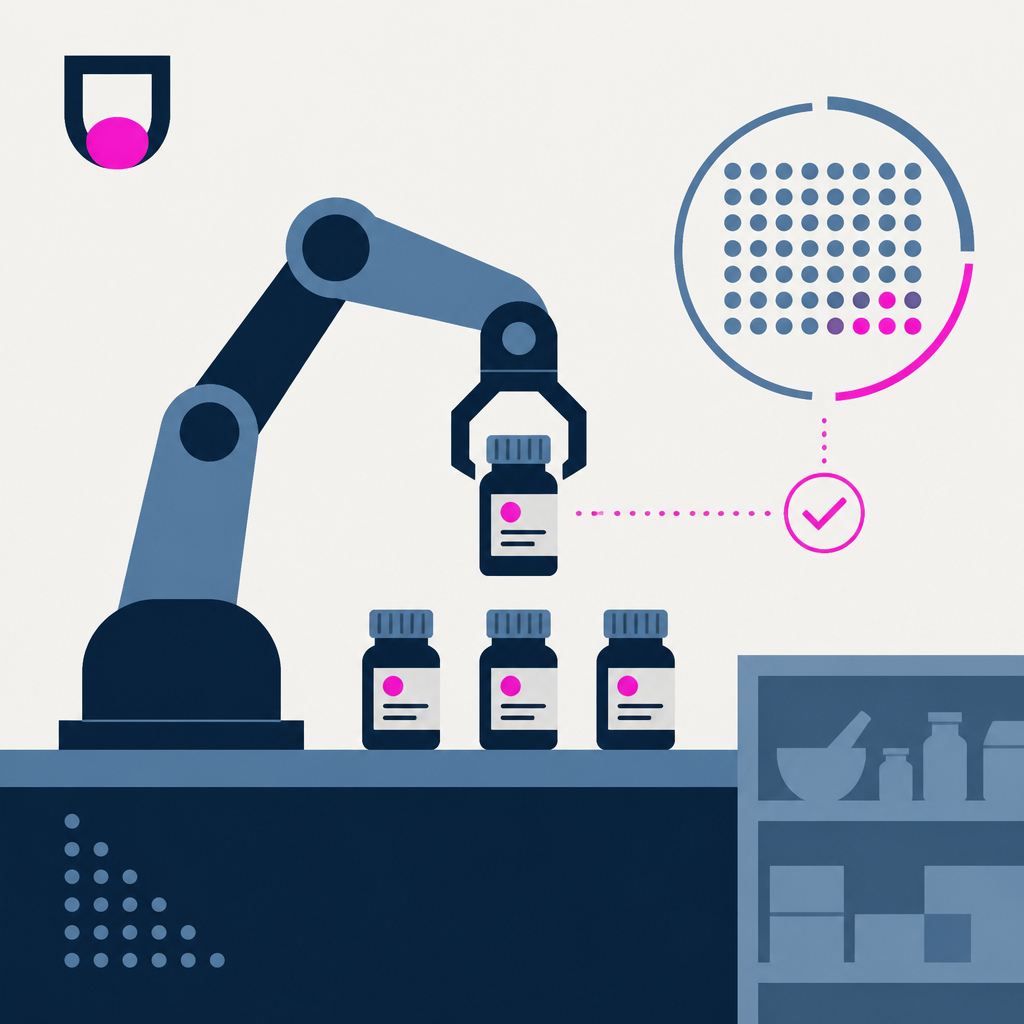
August AI planned a pilot in which a 90-day refill could be approved without a clinician checking each refill first. The agreement aims to reduce clinician reviews to 1 in 20 by medication category after the initial review shift. This changes the workflow from upfront review of every refill to follow-up review, with less frequent clinician involvement.
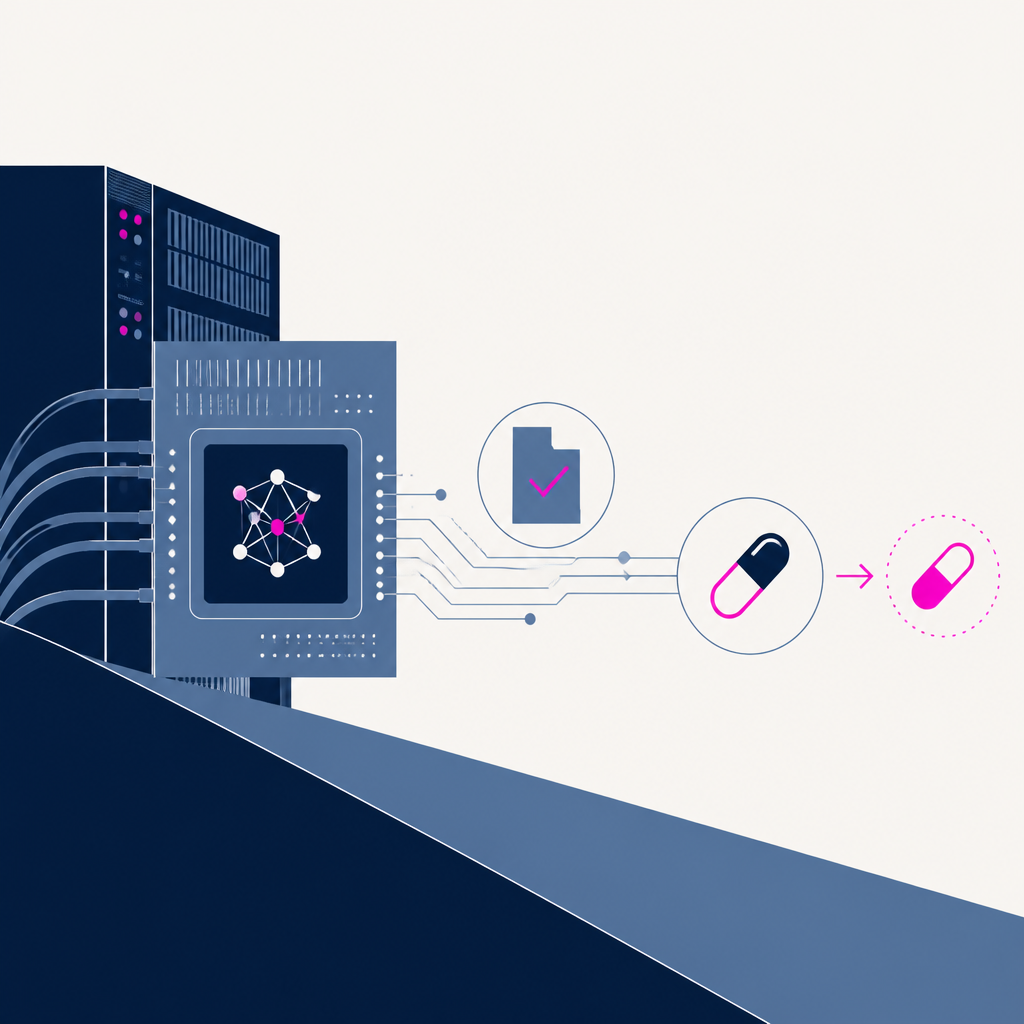
Utah approved healthcare AI pilots intended to change how prescriptions are reviewed before clinicians check them. The pilots are approved by Utah and are designed to reduce human pre-checking while still keeping required state approvals. If expanded, some prescriptions could reach patients sooner, with fewer clinician checks before that approval step.
Google researchers and BIDMC ran a real-world clinical study of AMIE, a diagnostic AI chatbot, with 98 patients before urgent care visits. AMIE’s differential diagnoses matched doctors’ final diagnoses 90% of the time. The study reported no conversation interruptions under predefined safety criteria and said clinicians found the AI summaries helpful in 75% of cases and changed their care approach in more than half.
A patient-facing conversational AI system, AMIE, was tested in urgent primary care appointments by engaging patients up to 5 days before their visits and having safety supervisors monitor the interactions. Zero conversation safety stops were required across 98 patients who completed both the AMIE interaction and the clinician appointment. The trial found no safety-stopping events, recorded a single hallucination with additional clinical info added in five interactions, and reported improved patient attitudes and helpful prep for clinicians.
Orbora launched as an app that generates personalized audio talks for meditation, breathwork, ASMR, and short wisdom. It is released “today.” Users can customize voice, length, tone, background sound, and themes, then save favorites and listen offline.
Every AI story that matters,
in your inbox by 8am.
TLDRocket reads all relevant sources, removes duplicate coverage, and summarises the
day in two minutes. Follow companies and topics for alerts, or get the
briefing in Slack. Free, no spam, unsubscribe anytime.
Reading TLDRocket needs no cookies, and the readership counts we rely on come from
our own cookieless analytics. Google Analytics is the exception: it sets cookies and
reports to Google, so it stays switched off until you allow it. You can change your
mind any time from “Cookie settings” in the footer.
Strictly necessary
Session security and form protection (tldrocket-session,
XSRF-TOKEN, 2 hours). The site cannot work without them,
so they need no consent.
Always on
Google Analytics 4 (_ga,
_ga_<id>, up to 2 years). Measures which
stories and sections readers use. Google acts as a third-party processor and may
store the data outside the EU. No advertising, no profiling, no data sold.