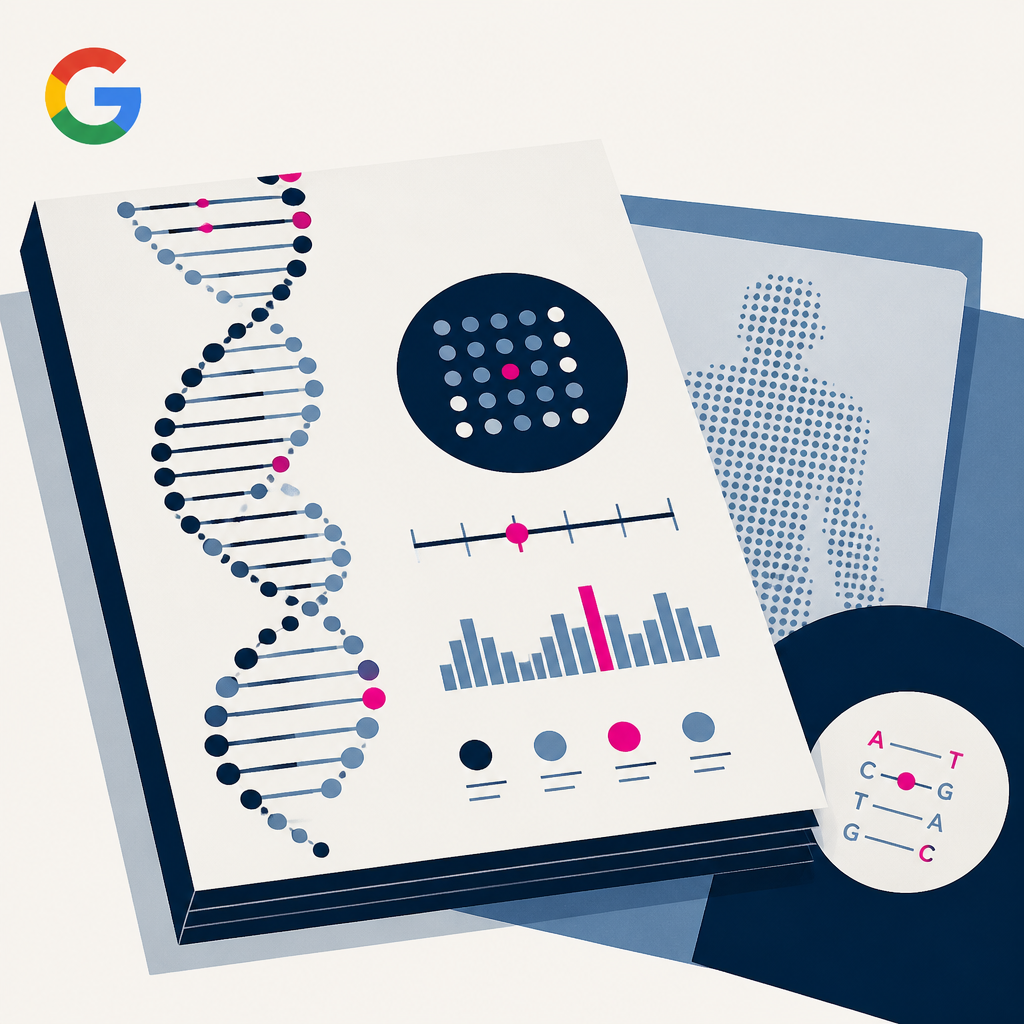
Google DeepMind released AlphaGenome Atlas, a web and API resource that provides precomputed predictions for the molecular effects of human single-nucleotide variants along with an AlphaGenome Variant Impact (AVI) score and attribution breakdowns. It covers roughly 9 billion possible single-letter DNA changes and is built from a 1-petabyte set of stored model outputs. Instead of rerunning the AlphaGenome model for each candidate variant, researchers can query the precomputed results (non-commercial now; commercial access is listed as coming soon).
AlphaGenome Atlas launches today as a Google DeepMind AI-powered map of how human DNA mutations may affect biology. It includes precomputed predictions for 9 billion possible single-letter DNA changes in a 1-petabyte dataset. Researchers can now explore and prioritize variants through a free web interface, with API access for deeper work.
Google DeepMind announced and publicly released the AlphaGenome Atlas, a web repository of pre-computed AlphaGenome predictions for human DNA variants. The atlas includes predictions for 9 billion possible single-letter changes to a reference human genome. Researchers can now look up variant effects via the site—without running AlphaGenome code—and use a single-number impact score to prioritize experiments, though the predictions have limits like a 1 million base-pair input window.
Rentosertib, an AI-assisted drug candidate, showed early evidence that it may slow aging beyond treating chronic lung disease. It reduced biological-age markers across six aging clocks. The results mean the drug’s potential is expanding to aging, though it is still years away from regulatory approval.
Nature Publishing Group US·1 month ago·
8
● 3 sources
Insilico’s AI-designed TNIK inhibitor rentosertib (INS018_055) was evaluated in a phase 2a IPF trial using serum proteomics analyzed by six proteomic aging clocks. At 12 weeks, 21 of 54 treatment-vs-placebo clock comparisons were statistically significant, with most occurring at week 4. All six clocks showed reduced predicted biological age in treated groups versus minimal change in placebo, shifting trial readouts toward measurable aging-rate deceleration alongside disease effects.
sci2sci, a Berlin startup led by neuroscientist Angelina Lesnikova, raised €1.2 million in pre-seed funding to trace AI-generated biopharma claims back to their sources. The round closed shortly after OpenAI reported a model accessed Hugging Face production systems in July. The company will expand its engineering team and adapt Integrity Cortex for use in banking compliance, moving from biopharma documentation toward wider regulated sectors.
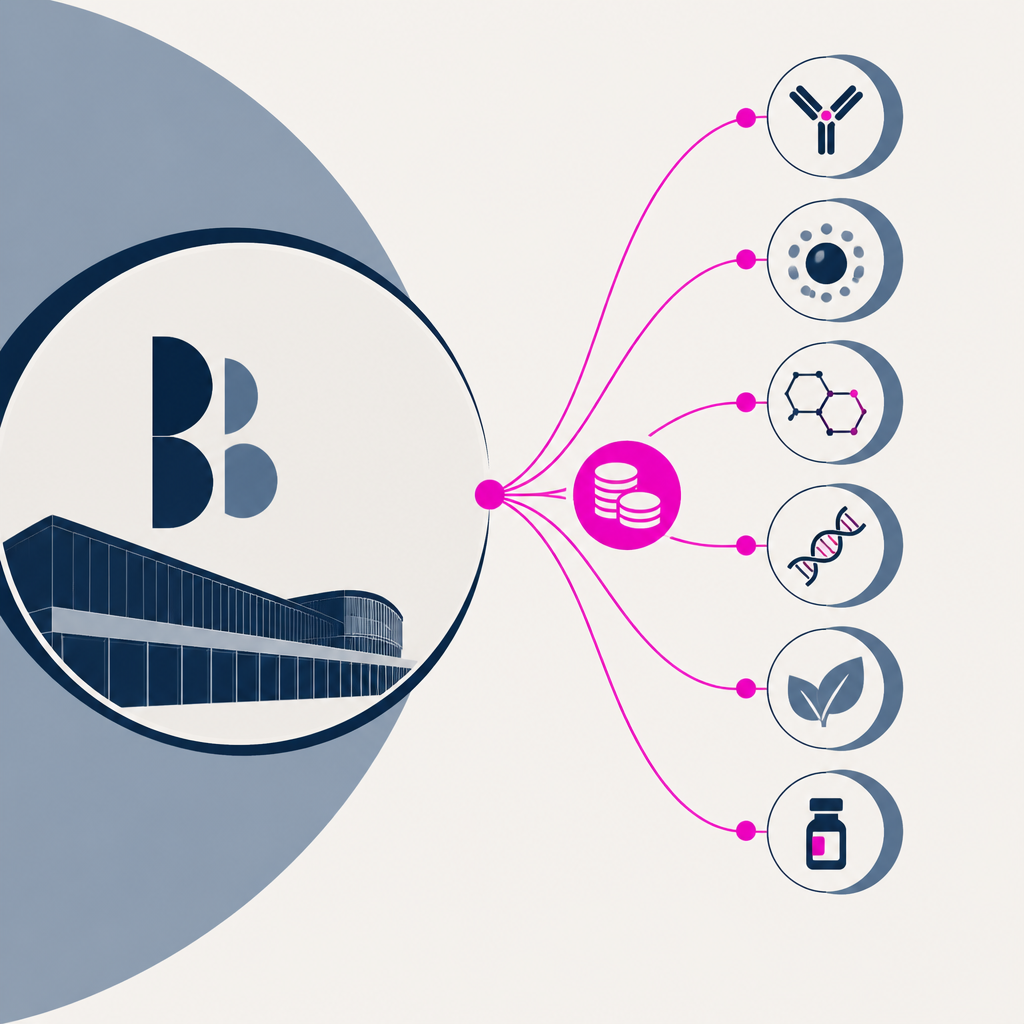
BioInnovation Institute awarded €7.8 million in additional funding to six companies to advance their technologies toward commercialisation. Each company receives €1.3 million, bringing its total BII support to €1.8 million (after an earlier €500,000). The grants keep the companies using BII’s Copenhagen innovation platform and are intended to help them attract external capital and move closer to market.
Veridue raised a $4 million pre-seed round to shorten renewable energy and data-centre deal due diligence using an AI platform instead of weeks of manual assessment. The platform targets reducing typical 4-to-10-week evaluations to just a few hours by combining large language models with a deterministic agent layer. This funding lets Veridue expand its due-diligence and M&A workflow for developers and investors, while competitor activity suggests more AI tooling is moving into energy deal support.
Every AI story that matters,
in your inbox by 8am.
TLDRocket reads all relevant sources, removes duplicate coverage, and summarises the
day in two minutes. Follow companies and topics for alerts, or get the
briefing in Slack. Free, no spam, unsubscribe anytime.
Reading TLDRocket needs no cookies, and the readership counts we rely on come from
our own cookieless analytics. Google Analytics is the exception: it sets cookies and
reports to Google, so it stays switched off until you allow it. You can change your
mind any time from “Cookie settings” in the footer.
Strictly necessary
Session security and form protection (tldrocket-session,
XSRF-TOKEN, 2 hours). The site cannot work without them,
so they need no consent.
Always on
Google Analytics 4 (_ga,
_ga_<id>, up to 2 years). Measures which
stories and sections readers use. Google acts as a third-party processor and may
store the data outside the EU. No advertising, no profiling, no data sold.