Google Research used its Research@ 2026 event in Mountain View to demonstrate and expand tools meant to apply AI across domains from health to disaster forecasting. Google.org provided $10 million in funding, including $2 million to the Milken Institute. As a result, partners and the public get broader access to capabilities such as Google Earth AI, Deep Review, MedGemma, AMIE, and other research-backed AI features.
A weekly newsletter writer describes a daily routine of “feeding” a digital twin with metabolic and body composition data so it can suggest what to eat and log medications. For about 100 days, the first task each morning has been sending smart-scale and related data into the app, before taking lemon water and meds. This changes the writer’s mornings by adding an extra step of data entry and medication tracking tied to the AI doppelganger.
Microsoft says its new machine learning approach improves the accuracy of weather forecasts beyond the usual two-week limit. The method targets more accurate forecasts 2 to 6 weeks in advance. The work is published in Nature and released as open-source software, adding another ML weather-forecasting tool for others to build on.
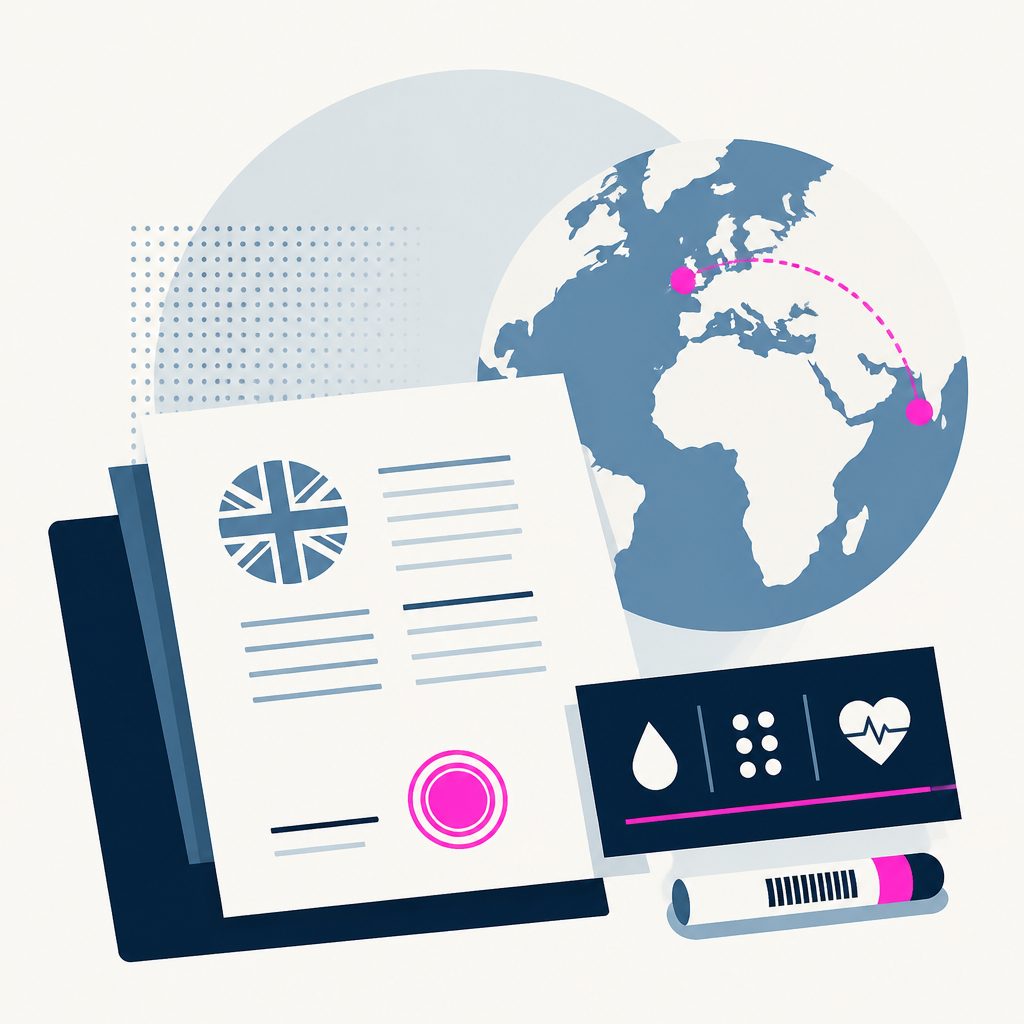
Stride, founded by Olympic medalist Andrew Steele, raised £4.6 million in seed funding to expand its DNA/blood/gut testing membership and build new preventive-health projects. The round backs an AI health copilot project described as integrating lab results, wearable data, and health records. The company will use the funding to develop two initiatives, including a multiomic biological-age assessment, and to expand Stride One internationally by the end of 2026.
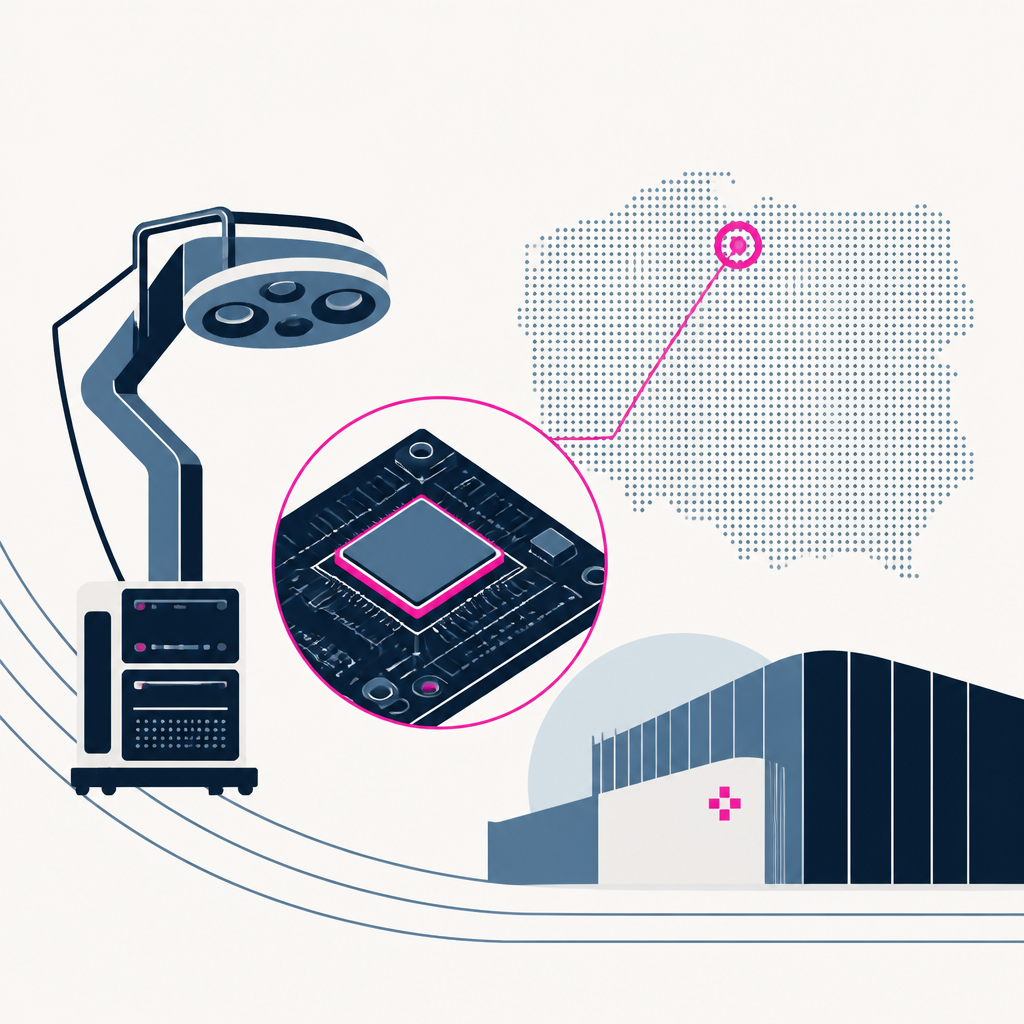
VitVio is partnering with UCK Gdańsk to deploy its AI-powered surgical operating system, Vetro, in Poland starting with a pilot in a small number of operating rooms. The initial rollout covers a small number of operating rooms across orthopaedics and neurosurgery. After the pilot, VitVio and UCK Gdańsk will review results against current operating-room performance before planning a broader rollout.
Stride, a UK preventative health startup, raised £4.6 million in seed funding to expand its diagnostics-driven platform and international rollout. The funding round includes Innovate UK and a plan to launch Stride One outside the UK before the end of 2026. Stride will use the money to develop a predictive, personalised health experience, including research into biological age and an AI-powered health copilot, and to expand partnerships in premium wellness.
OlsAro secured €5M seed funding to scale its AI- and genetics-based SeedAX platform for climate-resilient wheat aimed at seed-company customers. The funding is meant to bring its salt-tolerant wheat product to market in Bangladesh by 2027. The new programmes add drought and nitrogen-use efficiency work and expand field trials, R&D, and trait discovery to support additional cereals.
Centene CEO Sarah London argued that much AI use in health care today targets revenue and administrative speed rather than reducing care costs. She said Centene serves 26 million members across 29 states. She argues AI should instead move care into communities and give patients more control, while using administrative automation only to fund benefits and care that change the cost curve.
Every AI story that matters,
in your inbox by 8am.
TLDRocket reads all relevant sources, removes duplicate coverage, and summarises the
day in two minutes. Follow companies and topics for alerts, or get the
briefing in Slack. Free, no spam, unsubscribe anytime.
Reading TLDRocket needs no cookies, and the readership counts we rely on come from
our own cookieless analytics. Google Analytics is the exception: it sets cookies and
reports to Google, so it stays switched off until you allow it. You can change your
mind any time from “Cookie settings” in the footer.
Strictly necessary
Session security and form protection (tldrocket-session,
XSRF-TOKEN, 2 hours). The site cannot work without them,
so they need no consent.
Always on
Google Analytics 4 (_ga,
_ga_<id>, up to 2 years). Measures which
stories and sections readers use. Google acts as a third-party processor and may
store the data outside the EU. No advertising, no profiling, no data sold.