OpenAI released GPT-6 Astra as its new flagship model, but first independent benchmarks show it matching its predecessor and trailing top competitors on headline intelligence metrics. Artificial Analysis reports an Intelligence Index score of 61 points, equal to GPT-5.6 Sol and 5 points behind Anthropic’s top model at 66. Costs rise 2.5x with mixed per-token efficiency improvements, while hallucination rate at max effort falls from 92% to 51%.
Australia’s data centres have expanded rapidly and local residents are increasingly pushing back over noise, water use, and environmental impacts as more capacity is planned to support AI services. The article cites potential water use of up to 25% of Sydney’s drinking water by 2035 and notes data-centre energy demands could triple by 2030 nationwide. A new 2027 legal requirement will force large-scale data centres to underwrite power supplies, limit water use, and fund extra water infrastructure, while some community groups want a pause on further development.
Enterprise AI support and CI agent systems (Concierge and Pathfinder) saw rapidly growing latency and costs as autoregressive history re-billing compounded across multi-step runs. The article’s baseline pricing example is $3 per 1M input tokens and $15 per 1M output tokens. It proposes fixes including dynamic context injection/RAG, prompt compression (LLMLingua-2), strict JSON/schema enforcement, output token bounding, caching with up to 90% discounted reads, semantic caching, context compaction, and model cascading to keep token growth bounded.
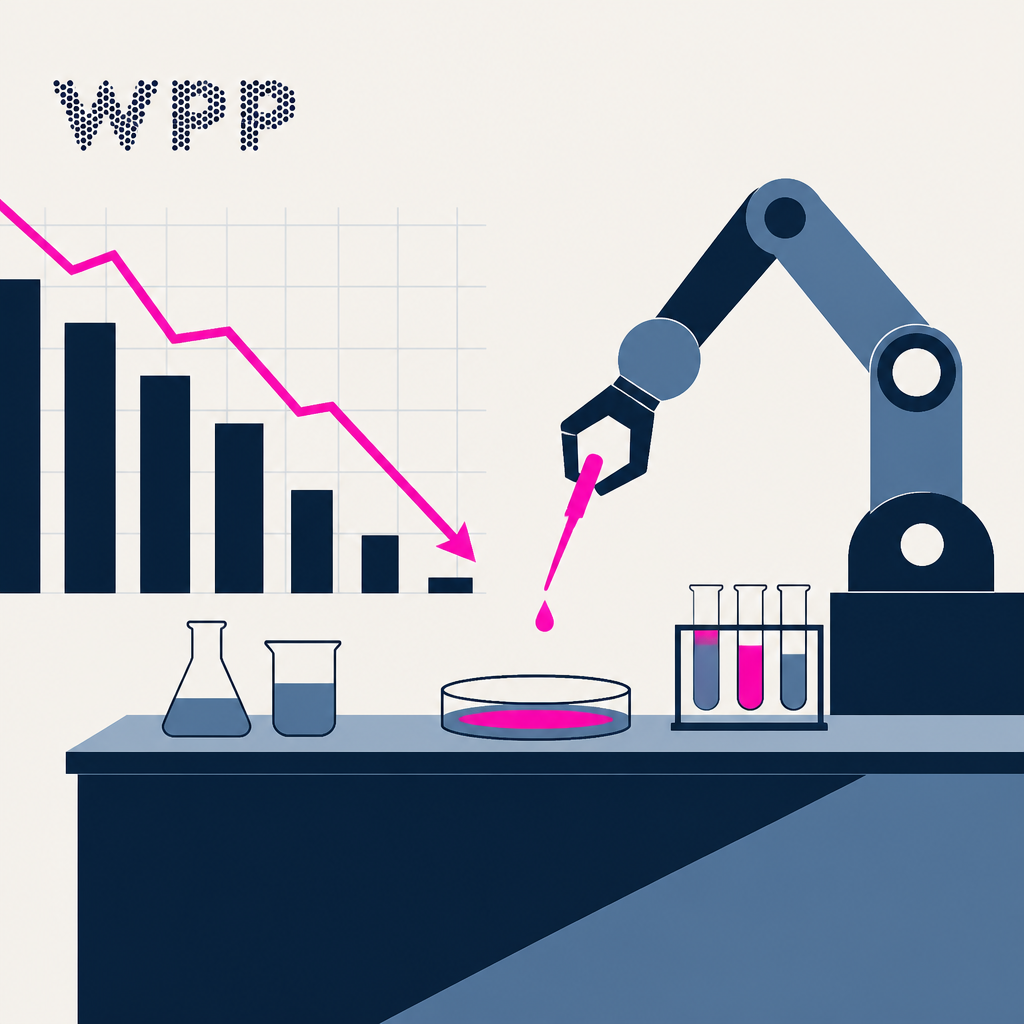
WPP’s slide from FTSE 100 membership and sharp market-value and staffing decline is used to argue that the traditional advertising-agency business model is being undermined by how AI changes pricing and incentives.
The Sequence Opinion argues that as AI capability becomes more reproducible, the economic “moat” of being first erodes and gets replaced by more fluid advantages like smaller models, routing, and distillation. It cites “six months” later when another lab matches similar capability and an open model delivers most of it “at a fraction of the price.” The takeaway is that durable value shifts from costly, first-mover training to barriers that aren’t easily replicated by predictable scaling and accessible tooling.
Every AI story that matters,
in your inbox by 8am.
TLDRocket reads all relevant sources, removes duplicate coverage, and summarises the
day in two minutes. Follow companies and topics for alerts, or get the
briefing in Slack. Free, no spam, unsubscribe anytime.
Reading TLDRocket needs no cookies, and the readership counts we rely on come from
our own cookieless analytics. Google Analytics is the exception: it sets cookies and
reports to Google, so it stays switched off until you allow it. You can change your
mind any time from “Cookie settings” in the footer.
Strictly necessary
Session security and form protection (tldrocket-session,
XSRF-TOKEN, 2 hours). The site cannot work without them,
so they need no consent.
Always on
Google Analytics 4 (_ga,
_ga_<id>, up to 2 years). Measures which
stories and sections readers use. Google acts as a third-party processor and may
store the data outside the EU. No advertising, no profiling, no data sold.