Museum of Models launched a web page that records every new AI model since May 2024 using the same set of questions. The site includes 15,639 answers kept as the models produced them, with no ranking. As a result, users can browse and visually explore model responses for evaluation rather than rely on ordered performance lists.
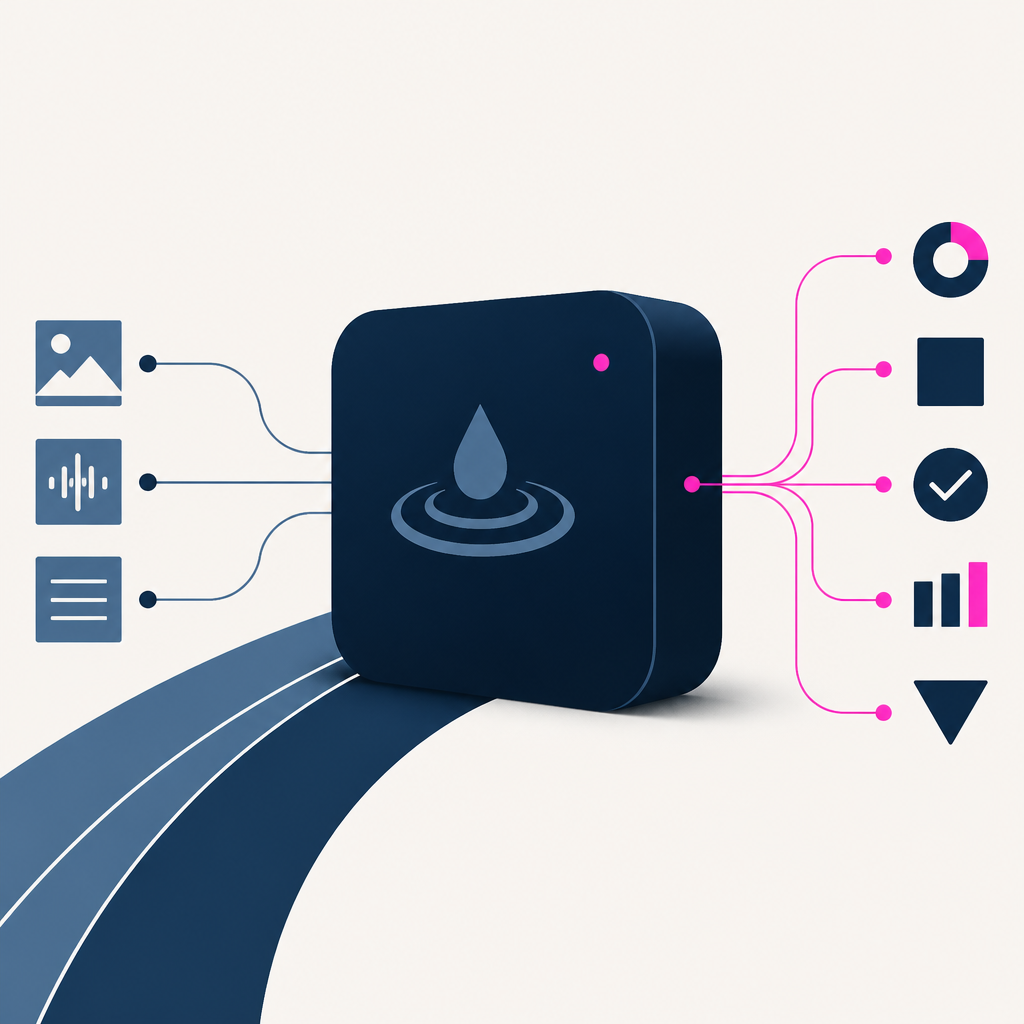
Liquid AI released Open d1, two open-weight multimodal decision models (d1-3B and d1-omni-600M) that return calibrated typed answers with zero output tokens. d1-3B scored 48.57 on Decision Index v0.2.1 and takes 8 ms for one question on an RTX 4090. The models shift deployments from generating token-by-token text to making real-time probabilistic decisions across fixed options, including text+image and text+audio inputs.
Wiley Science and Engineering Content Hub·1 week ago·
29
This white paper introduces HiPHI, a large-scale motion capture dataset and shows that reinforcement learning policies trained on it transfer to a real humanoid robot.
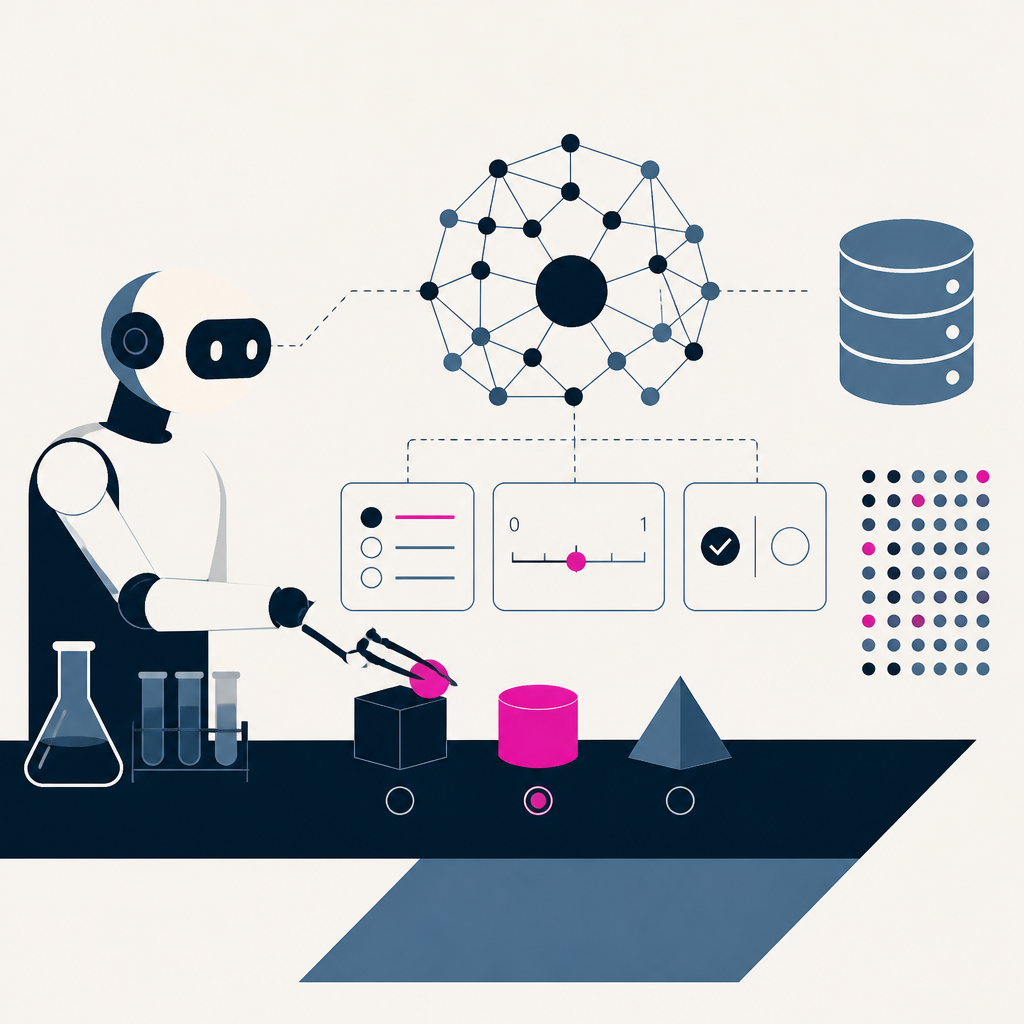
Nemotron Labs fine-tuned Nemotron models for IOI 2026 and IMO 2026 using supervised fine-tuning, reinforcement learning, and a generate-evaluate-refine inference loop, producing gold-level performance. In IOI 2026, Nemotron-3-Ultra-CC scored 535.4 out of 600, above the 361.12 gold threshold. The work is packaged for reuse on Hugging Face with released checkpoints, training datasets, and an IMO benchmark, changing focus from one-off results to a repeatable specialization recipe.
Laya, Convai Innovations’ open-source non-autoregressive decision engine, is evaluated in a tutorial by running typed multiple-choice/score/yes-no queries and checking zero-shot behavior on labelled CLINC150 banking data.
The guide specifies a 421-million-parameter encoder that scores all options in a single forward pass with zero output tokens.
It reports how option wording/order, probability calibration via temperature, and an abstention gate affect accuracy and the trustworthiness of the returned probabilities for a production-style router.
Every AI story that matters,
in your inbox by 8am.
TLDRocket reads all relevant sources, removes duplicate coverage, and summarises the
day in two minutes. Follow companies and topics for alerts, or get the
briefing in Slack. Free, no spam, unsubscribe anytime.
Reading TLDRocket needs no cookies, and the readership counts we rely on come from
our own cookieless analytics. Google Analytics is the exception: it sets cookies and
reports to Google, so it stays switched off until you allow it. You can change your
mind any time from “Cookie settings” in the footer.
Strictly necessary
Session security and form protection (tldrocket-session,
XSRF-TOKEN, 2 hours). The site cannot work without them,
so they need no consent.
Always on
Google Analytics 4 (_ga,
_ga_<id>, up to 2 years). Measures which
stories and sections readers use. Google acts as a third-party processor and may
store the data outside the EU. No advertising, no profiling, no data sold.