The article argues that advanced AI’s biggest impact will come from routine execution work that supports breakthrough ideas. No specific figures or dates are provided. It suggests progress and the “next economy” will be shaped by how well execution is handled rather than by discoveries alone.
ServiceNow launched Flow, a natural-language conversational interface for its service desk that uses extensive automation to handle employee requests and escalate with context. Flow is planned for general availability on Oct. 6 for North American customers, with broader availability across North America and Europe, the Middle East, and Africa by the end of the fourth quarter. The change shifts more support interactions to Slack and Microsoft Teams with automated closing/routing and faster setup in a day, targeting teams that avoid full IT service management deployments.
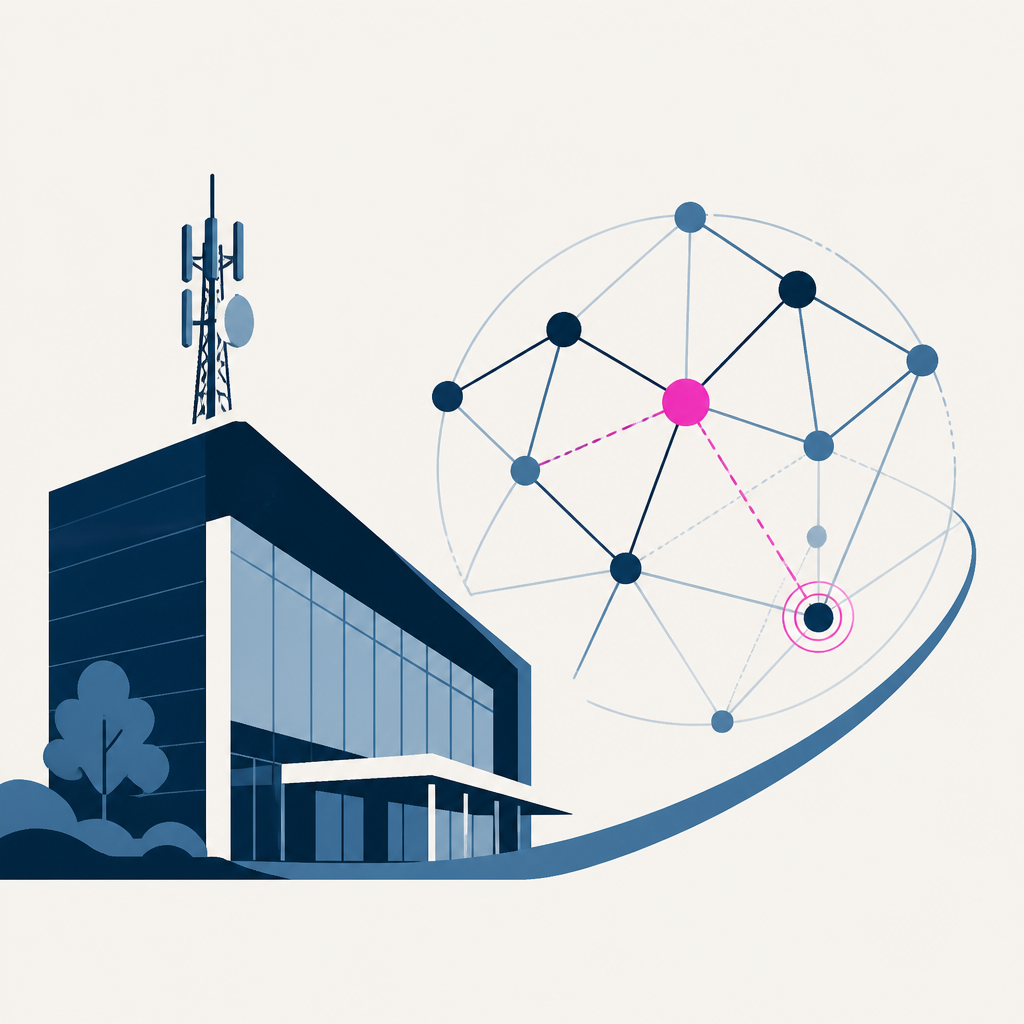
Graph intelligence research and production systems were advanced from passive network topology modeling to agentic reasoning over graph-structured digital twins for root cause analysis. The approach was demonstrated with NTT DOCOMO at Mobile World Conference earlier this year, achieving root cause identification in minutes on commercial networks. This shifts NOC workflows toward a cascaded, graph-centric analytics pipeline with an agentic layer that selects algorithms, computes rankings relative to the incident, and updates via feedback.
Intent 0.5 adds maintainer workflows and validation checks for npm-packaged agent skills so skill examples can be checked against library types as code changes. The release introduces validation that requires TypeScript 5.0 or newer (skipping type checking if the required entry point is missing). As a result, maintainers get automated reports with file and line numbers, a source-change review workflow, and an “intent repair” command to handle mechanical fixes while preserving human review decisions.
Robinhood unveiled “Robinhood Agents,” letting users in its app set up AI agents to analyze markets, choose strategies, and place trades around the clock. The feature is launched first for eligible customers in the United States, and agent-related data services cost $5 to $30 per month. Users can optionally disable per-trade approvals so agents trade autonomously in separate agent accounts, while European rivals mostly keep tighter approval controls.
Ancher launched Ancher 2.0 as an AI knowledge workspace that captures what users read, watch, and save and turns it into searchable knowledge and deliverables. The release is “Launching today.” It changes how users turn stored sources into research briefs, reports, presentations, and content in their own voice instead of organizing everything into folders.
Vertice launched Ana, software that handles procurement software negotiations by reading requirements, drafting vendor emails, and updating the strategy as vendors respond. Ana was trained on $75bn+ in vendor spend and includes 2M+ price points. Procurement buyers using Ana report average 18% savings.
Zavi launched today to help app builders improve usage by turning a posted URL into a growth score and identifying the main blocker. For launch, it will run Upcar’s growth for 30 days with $25K in real money. As a result, Zavi can take actions for 30 days and publishes decisions so users can see what changed.
Every AI story that matters,
in your inbox by 8am.
TLDRocket reads all relevant sources, removes duplicate coverage, and summarises the
day in two minutes. Follow companies and topics for alerts, or get the
briefing in Slack. Free, no spam, unsubscribe anytime.
Reading TLDRocket needs no cookies, and the readership counts we rely on come from
our own cookieless analytics. Google Analytics is the exception: it sets cookies and
reports to Google, so it stays switched off until you allow it. You can change your
mind any time from “Cookie settings” in the footer.
Strictly necessary
Session security and form protection (tldrocket-session,
XSRF-TOKEN, 2 hours). The site cannot work without them,
so they need no consent.
Always on
Google Analytics 4 (_ga,
_ga_<id>, up to 2 years). Measures which
stories and sections readers use. Google acts as a third-party processor and may
store the data outside the EU. No advertising, no profiling, no data sold.