Anthropic released a Browser Use tool for Claude that provides structured access to a page via the accessibility tree rather than coordinate-based clicking from rendered pixels. The default Browser Use toolset adds about 6,600 input tokens per request. Developers now interact with browser elements using references (for example ref_3) and can bundle multiple tool actions per turn, reducing repeated model calls while requiring the executor to re-read the page when references go stale.
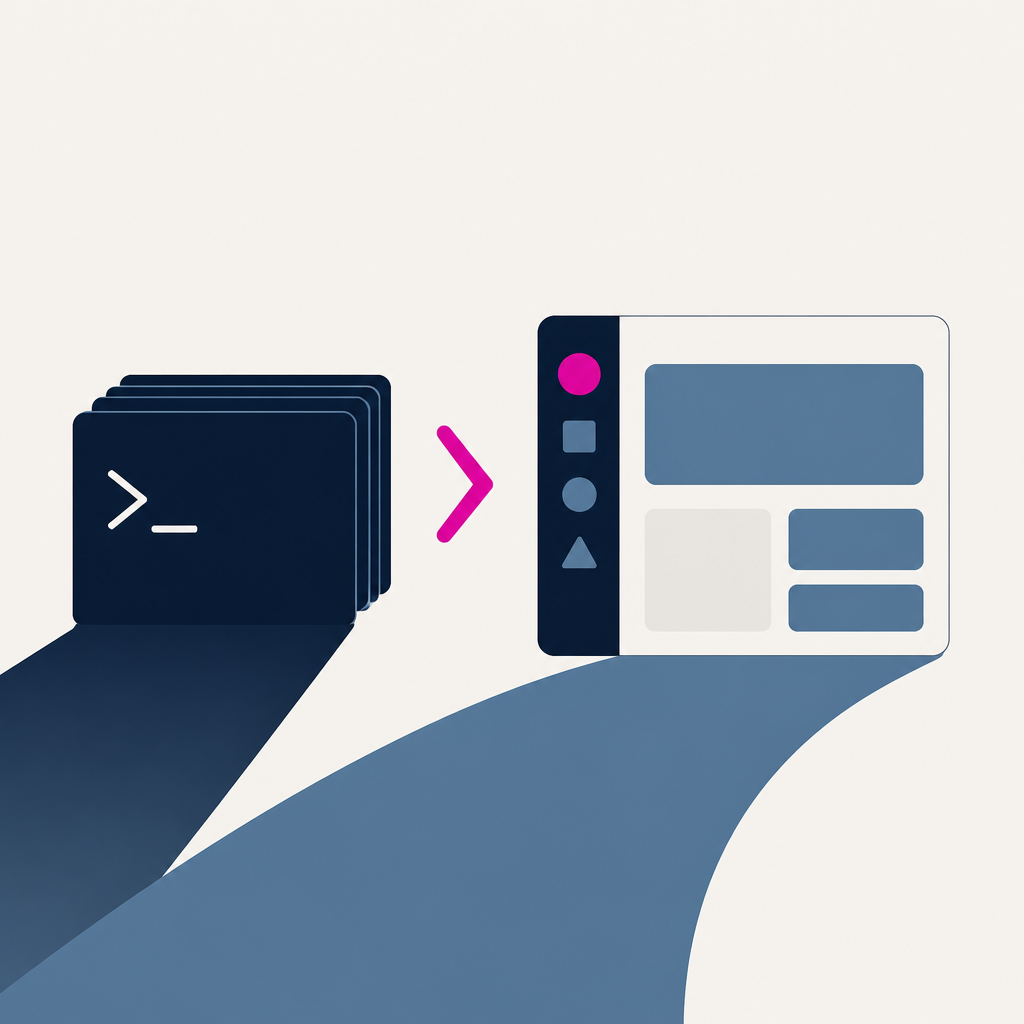
Thomas Ptacek argues that developers should stop making TUIs and instead build native user interfaces for even small personal tools. The push is driven by the fact that coding agents have reduced the cost of getting a usable-enough GUI up to almost nothing. As a result, more projects may replace terminal-only interfaces with native UI apps rather than investing further in TUIs.
Matt Webb used ChatGPT as an interactive tutor while developing his Galactic Compass 2 app and learned how to use quaternions well enough to get it working. He credits “version 1.0” as the point after which he sat down with ChatGPT to educate him. The result is that his learning continues rather than stopping when he outsources some thinking to AI, so the app adds an augmented reality mode.
Hermes, Grok, and Claude added named AI agent profiles with job titles that persist across conversations by keeping memory and permissions under a durable identity rather than just a chat session. Hermes’s v0.20.4 introduced a tabbed Sessions and Bots sidebar to surface that agent identity. As a result, product rosters become reusable “worker” identities with stateful routines/permissions that hand off work, but the article says vendors haven’t published evidence that any approach truly keeps agents coherent across weeks.
Guideless raised a €1 million pre-seed round to automate creating and maintaining workplace workflow training manuals for companies using AI. The funding round was led by Superhero Capital and includes participation from FIRSTPICK VC. The company says it will use the money to expand into the British, European, and American markets and to build a platform that captures workflows step-by-step and turns them into editable, localized training materials up to 10x faster.
SearchPageIndex launched a knowledge base search product aimed at giving answers grounded in long professional documents with clickable citations. The page says users can start speaking and be up to 4x faster with Wispr Flow dictation. As a result, users can verify answers by jumping to the highlighted source lines instead of relying on unreferenced text.
Every AI story that matters,
in your inbox by 8am.
TLDRocket reads all relevant sources, removes duplicate coverage, and summarises the
day in two minutes. Follow companies and topics for alerts, or get the
briefing in Slack. Free, no spam, unsubscribe anytime.
Reading TLDRocket needs no cookies, and the readership counts we rely on come from
our own cookieless analytics. Google Analytics is the exception: it sets cookies and
reports to Google, so it stays switched off until you allow it. You can change your
mind any time from “Cookie settings” in the footer.
Strictly necessary
Session security and form protection (tldrocket-session,
XSRF-TOKEN, 2 hours). The site cannot work without them,
so they need no consent.
Always on
Google Analytics 4 (_ga,
_ga_<id>, up to 2 years). Measures which
stories and sections readers use. Google acts as a third-party processor and may
store the data outside the EU. No advertising, no profiling, no data sold.