Grok, Claude, and Hermes agents get job titles — and persistent permissions
The New Stack Janakiram MSV
AI bots are starting to get names, job titles, and lasting access. The real shift is under the hood: the identity sticks around, not just the chat.
Based on reporting by The New Stack, Janakiram MSV — read the original for the full story.
Summary, retelling and take written by AI under human oversight; images are AI-generated illustrations. How we work · Report an error
Your next AI coworker may look like a chatbot, but the bigger change is what sits behind the face: a persistent identity with memory, permissions, and responsibilities that last across conversations.
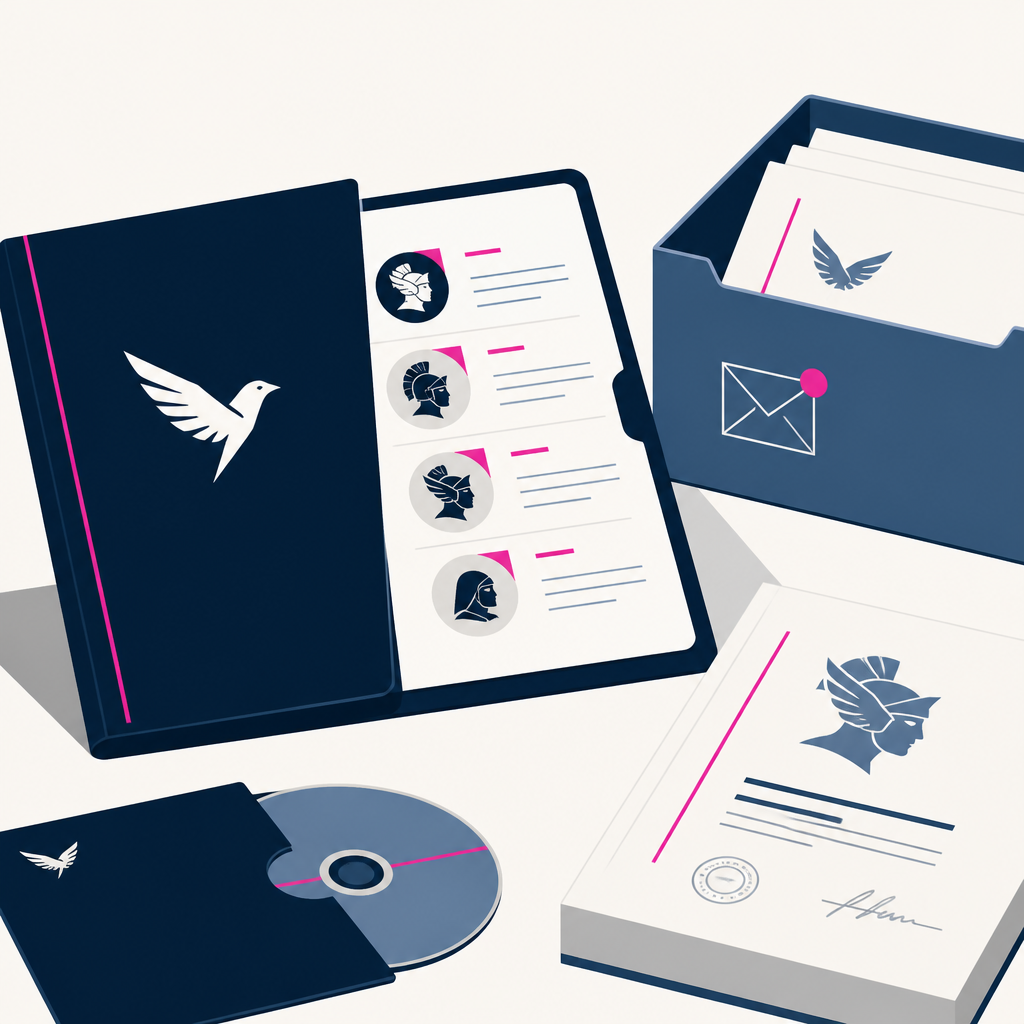
Hermes shows the shape of that future most clearly because its code is open. This month, Nous Research folded Bot Mode into the Hermes desktop app, archived the standalone plugin repository, bundled the roster by default, and added a tabbed Sessions and Bots sidebar in v0.20.4. Each profile appears as a named bot with its own chat, avatar, personality, schedule, and pinned model. Sessions still exist, but they now sit underneath a durable agent identity.
xAI’s Grok Bot takes the same idea in a more account-centered form. Announced on August 11, it gives operators a sidebar of named Bots, each with a title, a description, and up to 50 routines per account. Claude Tag, announced by Anthropic on June 23, goes another route again: one organization-provisioned Claude lives in Slack, where anyone in a channel can tag it and each thread spins up its own working session. Three products, three deployment models, same basic move.
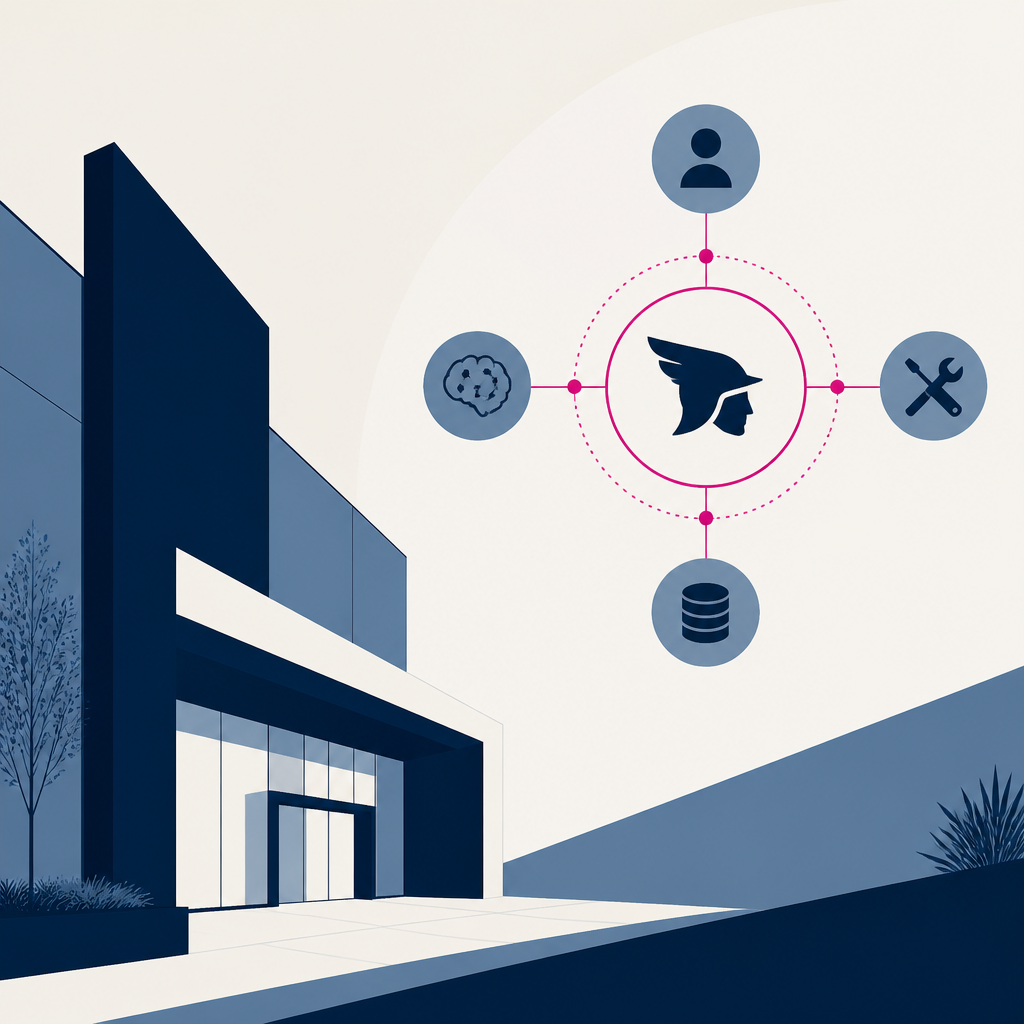
The common thread is that the reusable unit is no longer the conversation. It’s the worker identity above the conversation. Hermes treats a bot as a profile with its own home directory, config, keys, SOUL file, memory, sessions, skills, and cron state. Its routines are just cron jobs namespaced per bot, and bot-to-bot handoffs are real CLI invocations into a canonical bot chat. The standalone plugin said it was only a user interface over those primitives, with no core patches and no background daemons.
That also makes the job description matter more than the chat prompt. xAI says bot descriptions should capture durable responsibilities, sources, and boundaries, and bots can hand work to one another. Hermes keeps credentials scoped to the host it runs on, whether that’s a laptop or a remote server, while its docs say profiles are not sandboxes. Grok Bot shares one account-scoped computer across bots, including files, browser sessions, and app logins, and xAI says those survive deletion of the bot that created them. Claude Tag uses an organization service identity with channel-scoped access to tools. The roster is the easy part. The identity model is the part that actually matters.
My take — AI-written commentary, not fact-checked reporting
This is the right place for the industry to get boring, fast. A cute bot name means very little if the permissions model is sloppy, and “persistent” without clear scope is just a polite word for trouble. The hype belongs to the face; the audit trail belongs to the profile.
Read more about this at: The New Stack