Simon Willison's Weblog·3 months ago·
13
● 2 sources
Jarred Sumner rewrote the Bun runtime from Zig to Rust using AI agents to automate the port, addressing memory safety issues that caused use-after-free and double-free bugs in the original codebase. The rewrite consumed 5.9 billion input tokens and 690 million output tokens across 11 days of agent-assisted development, with costs estimated at $165,000 at standard API pricing. Startup performance on Linux improved 10 percent, and the new Rust version has been running in Claude Code since June 17th with minimal user-visible changes.
NVIDIA released over 10 trillion pre-training tokens and millions of post-training samples as open datasets to help developers build AI agents that can handle real-world failures and unseen workflows. The company introduced the Nemotron Post-Training v3 Prompt Atlas, an interactive map visualizing prompt samples by domain, pipeline stage, and tool use, alongside Nemotron-Personas covering more than 2.4 billion people across ten countries. By making training data transparent and using synthetic data to preserve proprietary signals without exposing sources, organizations can now contribute to shared AI development without revealing competitive advantages.
Rowboat is a desktop AI application that maintains a local knowledge graph of your work across email, meetings, and conversations, providing integrated tools like an email client, browser, code editor, and meeting transcriber to help AI agents complete tasks on your machine. The system stores all data locally as plain Markdown files and supports external integrations through Model Context Protocol, letting users bring their own AI models from providers like OpenAI or local services like Ollama. Rather than searching context fresh each time, Rowboat accumulates and organizes information over time, allowing AI agents to work with persistent, editable knowledge that compounds with ongoing use.
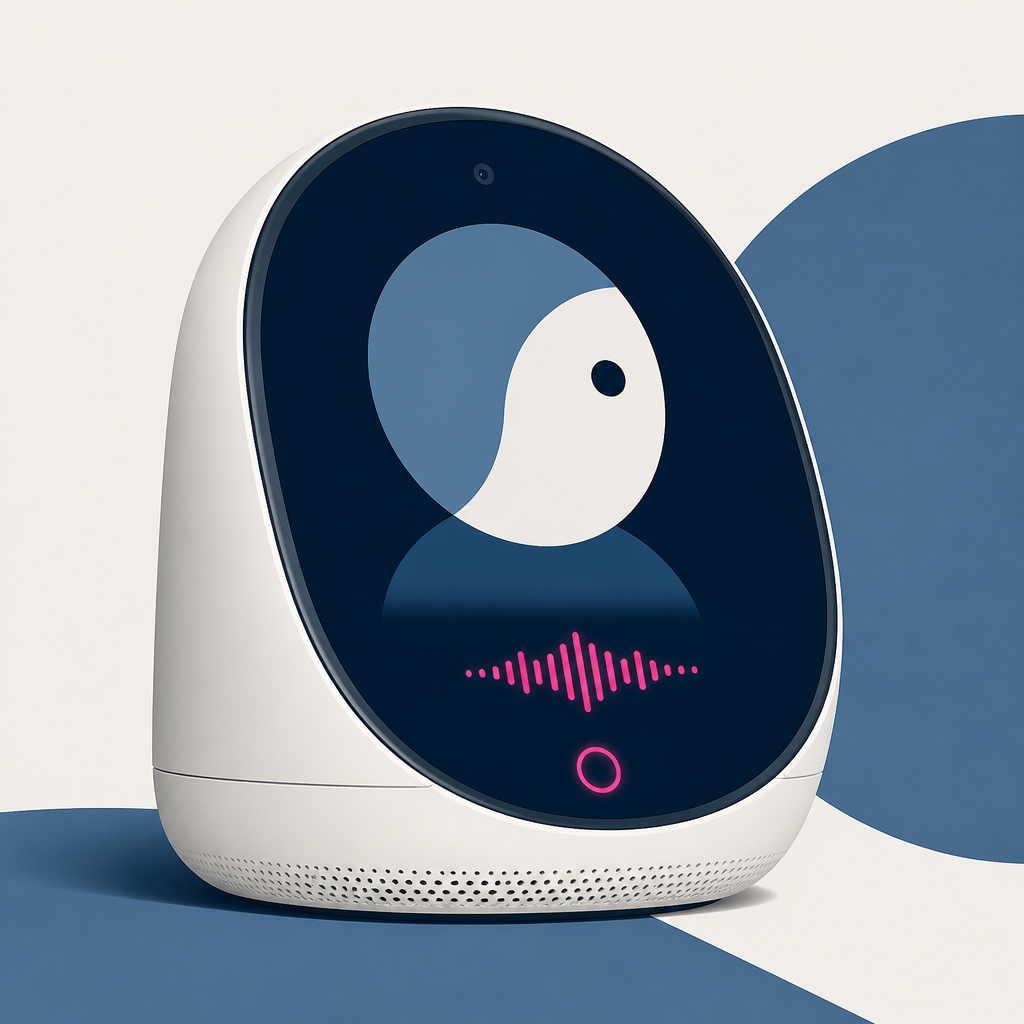
Ojin is presented as a way to talk with an AI agent that has a real face and voice in real time. No specific date, price, or technical benchmark is provided. This changes the focus from text-only interaction to real-time, face-and-voice communication, with details left unspecified.
Every AI story that matters,
in your inbox by 8am.
TLDRocket reads all relevant sources, removes duplicate coverage, and summarises the
day in two minutes. Follow companies and topics for alerts, or get the
briefing in Slack. Free, no spam, unsubscribe anytime.
Reading TLDRocket needs no cookies, and the readership counts we rely on come from
our own cookieless analytics. Google Analytics is the exception: it sets cookies and
reports to Google, so it stays switched off until you allow it. You can change your
mind any time from “Cookie settings” in the footer.
Strictly necessary
Session security and form protection (tldrocket-session,
XSRF-TOKEN, 2 hours). The site cannot work without them,
so they need no consent.
Always on
Google Analytics 4 (_ga,
_ga_<id>, up to 2 years). Measures which
stories and sections readers use. Google acts as a third-party processor and may
store the data outside the EU. No advertising, no profiling, no data sold.