Aurora launched as an invite-only AI plus human concierge app for ultrarich members, handling requests like dining, travel, luxury goods, and wellness. Members pay a $10,000 annual fee plus a $5,000 initiation fee, and Aurora uses connected calendar and wearable data to propose options such as recovery sessions after flights. The service adds AI-driven anticipation to a hands-on curation model and plans collaborative planning features for members’ close contacts.
A bipartisan U.S. energy permitting bill (BAAJA) would speed up approvals for energy projects, including solar, power lines, and oil and gas pipelines, as electricity demand rises alongside data-center growth tied to the AI boom. The bill would reduce litigation outside federal courts, and it was expected to face votes after the November 3 midterm elections. If passed, it would narrow environmental reviews and streamline permitting for transmission and generation, but environmental groups argue it would weaken environmental protections and increase fossil-fuel development.
Teladoc introduced SoloScribe to draft clinical notes during visits and SoloVitals to estimate heart and breathing rates from a camera. The article describes SoloVitals as estimating heart and breathing rates using a camera. This adds note-drafting and vital-sign estimation to Teladoc’s hospital care workflows.
Healthleap began daily scanning of adult inpatient EHR charts to assign a malnutrition risk score and rank the highest-risk patients for dietitians. The system reports identifying malnutrition 4 days earlier than nurse-administered screening with 88% higher sensitivity. Hospitals can use this earlier, EHR-native prioritization to feed existing dietitian workflows and downstream CDI/coding with a cleaner signal, while expanding to other conditions.
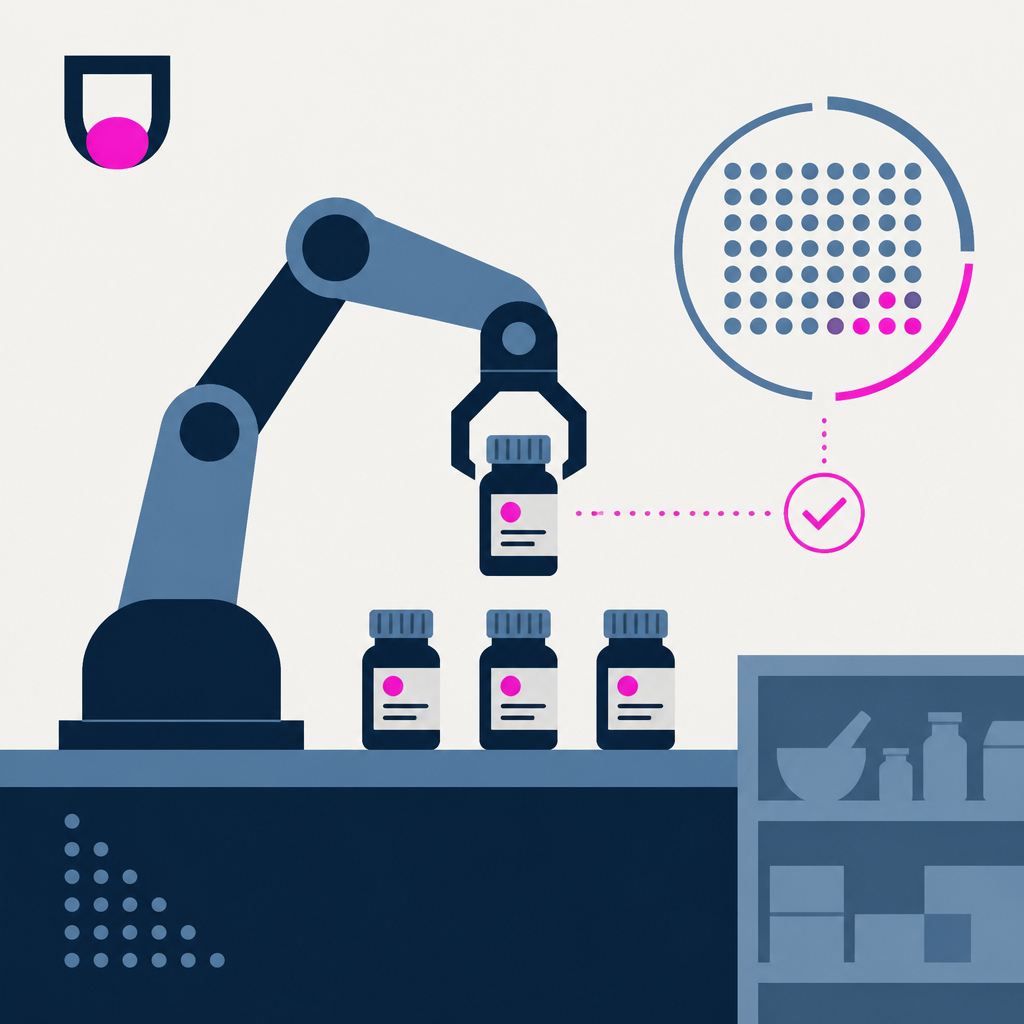
August AI planned a pilot in which a 90-day refill could be approved without a clinician checking each refill first. The agreement aims to reduce clinician reviews to 1 in 20 by medication category after the initial review shift. This changes the workflow from upfront review of every refill to follow-up review, with less frequent clinician involvement.
Utah approved healthcare AI pilots intended to change how prescriptions are reviewed before clinicians check them. The pilots are approved by Utah and are designed to reduce human pre-checking while still keeping required state approvals. If expanded, some prescriptions could reach patients sooner, with fewer clinician checks before that approval step.
CBO Director Phillip Swagel said faster GDP growth is probably not enough by itself to stabilize the U.S. debt trajectory, even as the economy expands faster. He projected the debt-to-GDP ratio rising to 120% by 2036, and estimated nominal GDP would need to grow at 7%-8% with real growth at 5%-6% (given 4%-5% interest rates) to hold the ratio steady. The outlook therefore shifts the focus from relying on growth—potentially aided by AI—to making political changes to revenues and spending instead.
Every AI story that matters,
in your inbox by 8am.
TLDRocket reads all relevant sources, removes duplicate coverage, and summarises the
day in two minutes. Follow companies and topics for alerts, or get the
briefing in Slack. Free, no spam, unsubscribe anytime.
Reading TLDRocket needs no cookies, and the readership counts we rely on come from
our own cookieless analytics. Google Analytics is the exception: it sets cookies and
reports to Google, so it stays switched off until you allow it. You can change your
mind any time from “Cookie settings” in the footer.
Strictly necessary
Session security and form protection (tldrocket-session,
XSRF-TOKEN, 2 hours). The site cannot work without them,
so they need no consent.
Always on
Google Analytics 4 (_ga,
_ga_<id>, up to 2 years). Measures which
stories and sections readers use. Google acts as a third-party processor and may
store the data outside the EU. No advertising, no profiling, no data sold.