Platform teams that predominantly build features from scratch are more likely to report lacking a clear platform strategy. Teams building from scratch were 3.5x more likely to cite “lack of clear strategy” as an obstacle (57.9% vs 15.6% for template-based teams and 16.7% for tool-based teams). Even with AI agents making custom builds faster, teams still need to handle ongoing maintenance, upgrades, and governance, so build-vs-buy becomes more sharply strategic.
Neophyte launched a tool that uses an AI agent to onboard by taking a product URL and running signup, email verification, navigation of setup, and an activation attempt. It runs those steps to produce a captured product flow plus a friction/drop-off report. Teams can use the report to test onboarding changes, audit launches, compare competitors, and improve user and agent experience.
Dell’s West Coast approach to selling AI infrastructure is shifting as Silicon Valley buyers move from AI pilots to production and prefer building their own stacks.
The U.S. Air Force will purchase data from WindBorne Systems’ autonomous weather balloon fleet under a new contract that could reach nearly $50 million for the startup. The contract is worth up to $49 million, with $1.7 million already ordered so far and further orders expected. This increases WindBorne’s funding for scaling its 700-balloon constellation and supports additional research and development on balloon hardware and performance.
Andrej Karpathy said most people still do not understand what AI systems can do, and the gap is widening as only a tiny group has access to frontier capabilities. He estimated about 5,000 people have access to frontier systems inside the labs. As a result, enterprise software companies like Box are betting on agent swarms and workflow automation to bring more advanced AI into day-to-day business use.
TechCrunch Disrupt 2026 begins tomorrow at 8 a.m. PT at Moscone West in San Francisco for three days of sessions, Expo Hall activity, and Startup Battlefield competition. The ticket offer includes up to $100 in savings if you register within the final 24 hours, plus a $75 last-minute Expo+ Pass for people recently laid off. The event adds an AI-powered matchmaking feature in its app to make connections easier while new attendee pricing options become available.
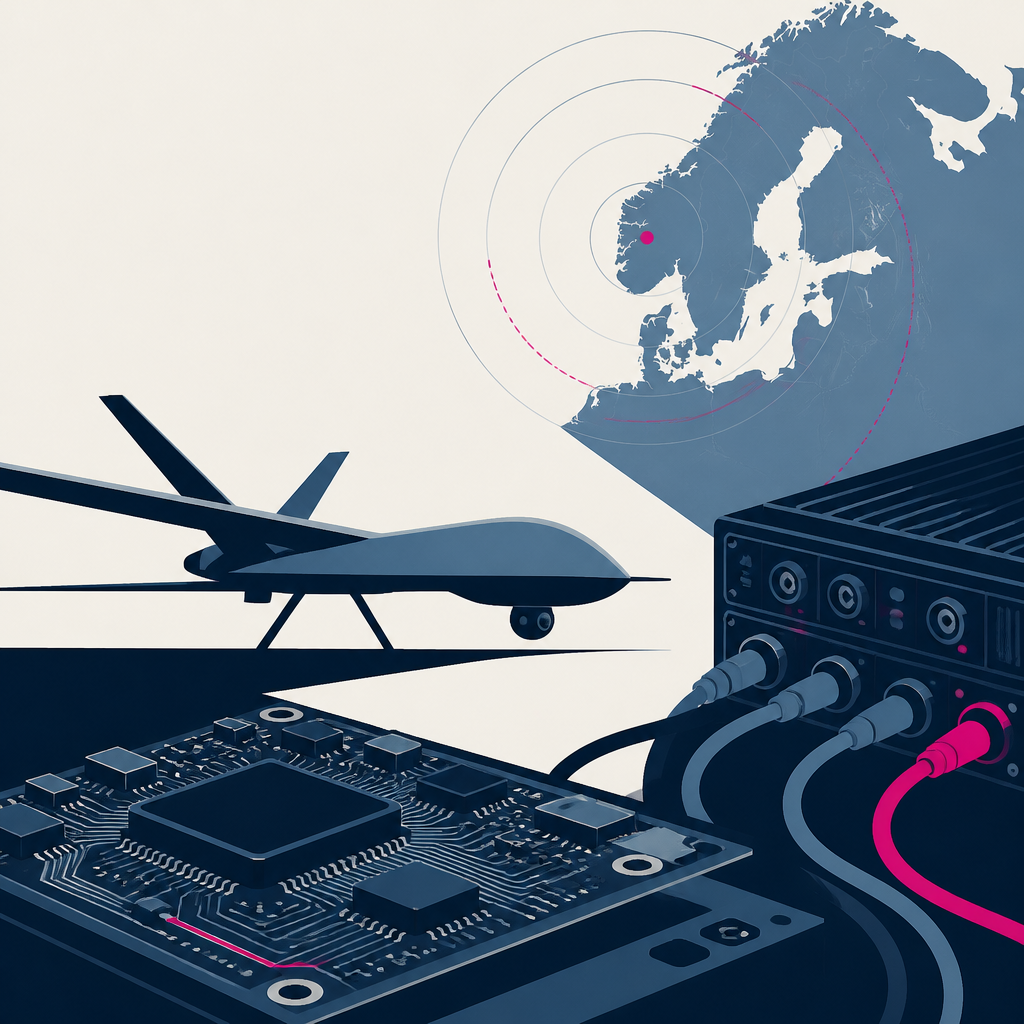
Monopulse raised over €2 million to scale its electronic-warfare-resistant reconnaissance drones used by NATO militaries.
The angel syndicate contributed €560,000 from 68 investors.
The funding will expand production capacity, fund R&D, and accelerate market entry into Scandinavia and other international markets.
Loops raised $3.5M to build a unified AI layer for e-commerce retailers that links product discovery, Q&A, and virtual try-on into one connected shopping journey. The seed round was led by Andreessen Horowitz’s a16z Speedrun and included participation from NTT Docomo and others. Retailers that adopt Loops can replace siloed AI features with an AI system tied to their product catalogs and shopper intent, enabling more end-to-end recommendations and faster in-session answers.
U.S. nuclear plant operators have adopted A.I. tools to help with searching guidance, sorting defect reports, and drafting portions of licensing and evaluation paperwork. Nearly all 94 U.S. reactors have been offered these tools, but the systems are not connected to plant controls. The change speeds document and report processing while keeping humans in charge and restricting A.I. access and outputs to paperwork and inspection support rather than operational decisions.
1KOMMA5° raised a financing round valuing the company at $1.35 billion and said it will increase funding for its AI-powered energy management platform. It plans to invest more than €100 million in Heartbeat in 2027. The move expands its energy AI automation efforts and supports options like potential US expansion and a possible US IPO.
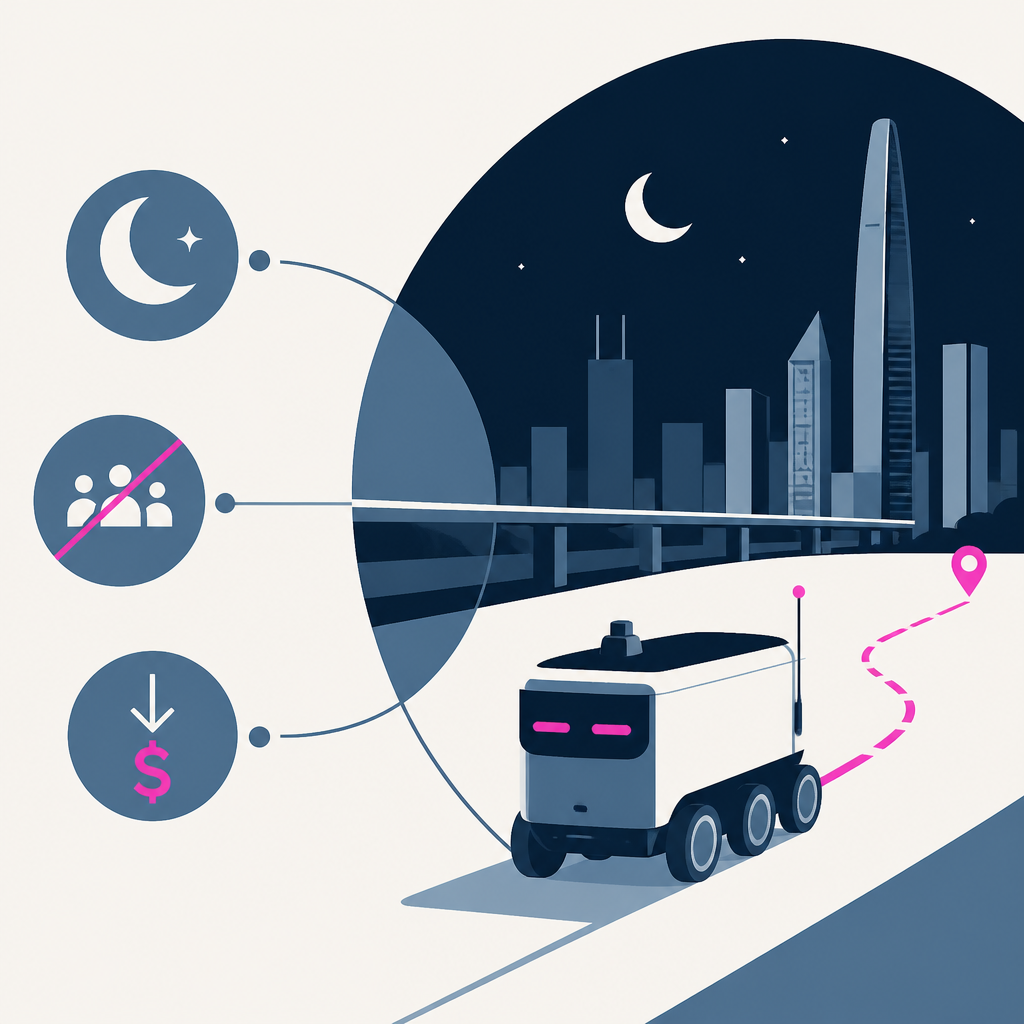
Shenzhen opened nighttime deliveries using driverless delivery robots, aiming to use idle infrastructure more effectively at night.
It cites night operations enabling reduced pedestrian traffic and lower congestion, with cost savings from eliminating the need for human night shifts.
The shift moves delivery activity to robot-run nighttime operations, reducing road noise and congestion while lowering labor costs.
Tesla changed the name of its advanced driver assistance system in Europe after Germany’s transportation ministry objected to the prior wording. The system is now called “Tesla Assisted Driving” instead of “Full Self-Driving (Supervised).” This may improve regulatory approval prospects across Europe, enabling wider adoption and potential new revenue for Tesla.
Matter Machine completed a £4M pre-Series A funding round and recruited Oxford Nanopore co-founder Gordon Sanghera to lead commercialisation strategy for AI-driven materials discovery. The round was led by IP Group and was £4M. This support will expand the team, develop its AI-plus-experiment platform, and pursue commercial partner contacts against better-funded competitors like CuspAI.
1Komma5° raised €70 million from existing and new backers instead of proceeding with an IPO. The company valued itself at $1.35 billion (about €1.2 billion) and plans to invest more than €100 million next year into Heartbeat AI. As a result, its AI-based home energy management system will expand while the IPO plans remain on hold pending next year’s performance.
The European tech weekly recap tracked over 70 European tech funding deals worth more than €818 million along with 10+ exits and M&A events. In September, European startups raised €15.8 billion across 300 funding deals. The latest monthly report updates the funding picture by showing a rebound versus August while keeping exit activity steady at 39 transactions for the month.
Every AI story that matters,
in your inbox by 8am.
TLDRocket reads all relevant sources, removes duplicate coverage, and summarises the
day in two minutes. Follow companies and topics for alerts, or get the
briefing in Slack. Free, no spam, unsubscribe anytime.
Reading TLDRocket needs no cookies, and the readership counts we rely on come from
our own cookieless analytics. Google Analytics is the exception: it sets cookies and
reports to Google, so it stays switched off until you allow it. You can change your
mind any time from “Cookie settings” in the footer.
Strictly necessary
Session security and form protection (tldrocket-session,
XSRF-TOKEN, 2 hours). The site cannot work without them,
so they need no consent.
Always on
Google Analytics 4 (_ga,
_ga_<id>, up to 2 years). Measures which
stories and sections readers use. Google acts as a third-party processor and may
store the data outside the EU. No advertising, no profiling, no data sold.