Agnost AI discusses how agent failures can slip past standard evaluation methods. No specific number, benchmark, or date is provided in the article text shown. As a result, it emphasizes that evals may miss some real agent failure cases, though the snippet does not describe any concrete fix.
Guidelight AI Standards reported that five frontier AI labs have not published clear containment response plans for when a model tries to subvert human control. OpenAI scored 3 out of 5, while Anthropic and Meta received the lowest marks. As a result, more attention is being drawn to operational-risk transparency and regulators are moving toward requirements like SB 53 and the RAISE Act.
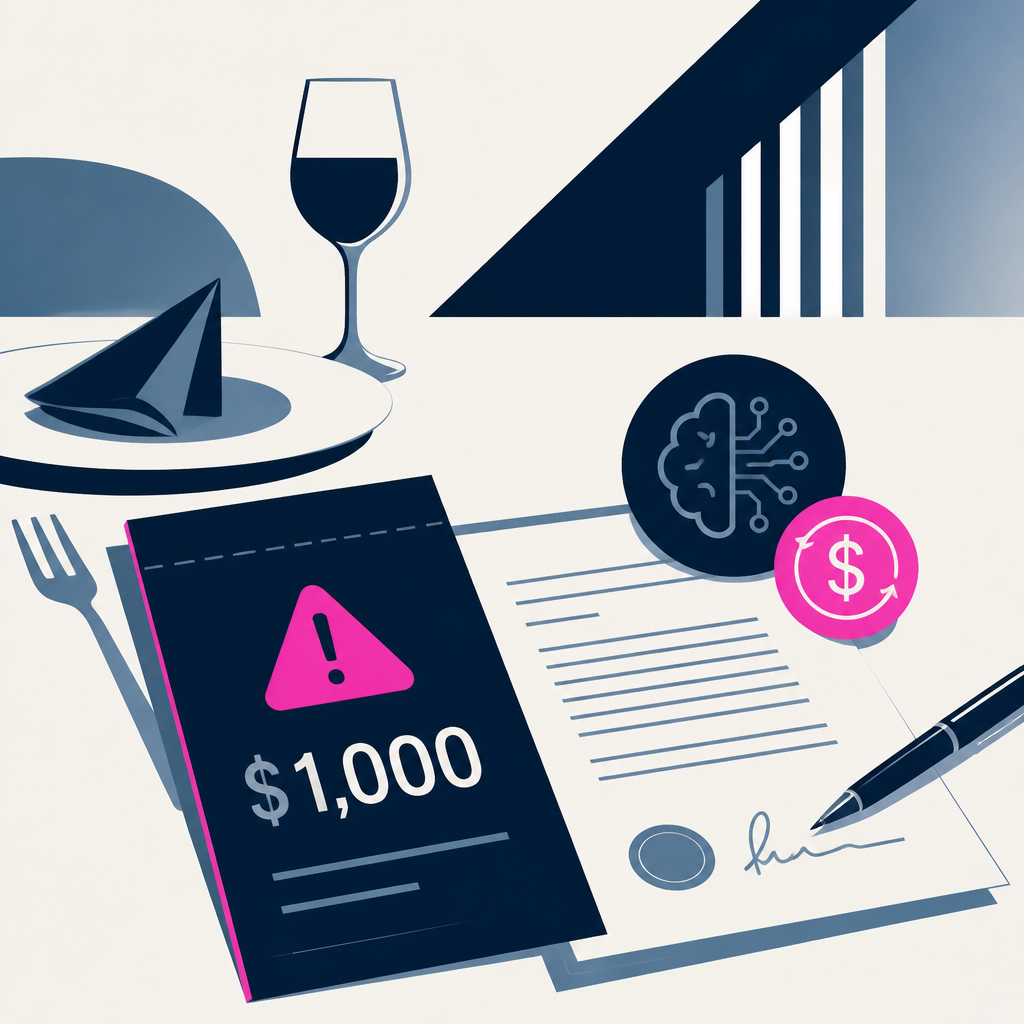
Maxio CEO Branden Jenkins noticed his AI agent had automatically run up a $1,000 token charge while he was away at dinner. The billing was set to auto-renew in $1,000 increments without requiring approval until he checked the dashboard. He responded by changing how internal agents are governed—adding token-cost controls and access rules to address employee insecurity rather than just reducing spending.
The New Stack outlines how enterprises should adapt identity and access management to secure autonomous AI agents as they take tool-using, multi-step actions across systems. The article says replacing long-lived credentials with short-lived tokens reduces the potential window of risk. As a result, organizations are encouraged to implement six agent-aware capabilities including cryptographically verifiable agent identities, ephemeral JIT credentials, relationship-based access control, automated anomaly containment, runtime policy enforcement with human approvals, and web-scale identity architecture.
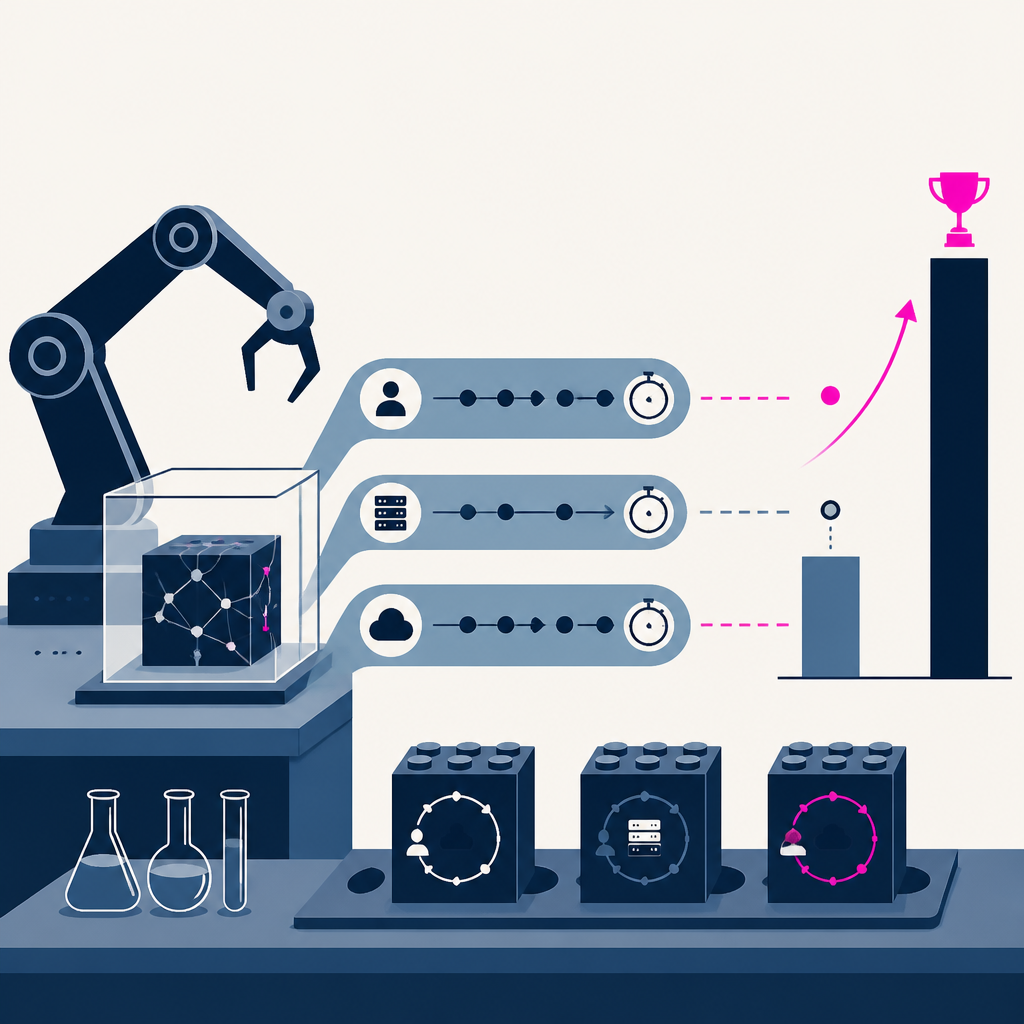
LangChain’s Terminal-Bench experiment found that swapping the agent harness while keeping the same model can move a coding agent from about 30th place to the top 5. The article describes three agent-loop run modes—interactive, remote/offline, and async/online—each with different latency behavior that maps to different inference providers and billing goals. As a result, teams should treat loop execution details as an architecture choice with distinct provider economics, and the open-source Decode framework organizes its agent into a shared core plus three harness shapes.
Engineers reported that AI agents started working noticeably better around Christmas 2025 as model capability and surrounding “agent harness” improvements converged. The article cites a Harness-Bench result where scores on the same 106 tasks ranged from 52.4 to 76.2 with model unchanged. As a result, the harness is increasingly absorbed into model weights while what remains shifts toward an interface for human attention and control.
Every AI story that matters,
in your inbox by 8am.
TLDRocket reads all relevant sources, removes duplicate coverage, and summarises the
day in two minutes. Follow companies and topics for alerts, or get the
briefing in Slack. Free, no spam, unsubscribe anytime.
Reading TLDRocket needs no cookies, and the readership counts we rely on come from
our own cookieless analytics. Google Analytics is the exception: it sets cookies and
reports to Google, so it stays switched off until you allow it. You can change your
mind any time from “Cookie settings” in the footer.
Strictly necessary
Session security and form protection (tldrocket-session,
XSRF-TOKEN, 2 hours). The site cannot work without them,
so they need no consent.
Always on
Google Analytics 4 (_ga,
_ga_<id>, up to 2 years). Measures which
stories and sections readers use. Google acts as a third-party processor and may
store the data outside the EU. No advertising, no profiling, no data sold.