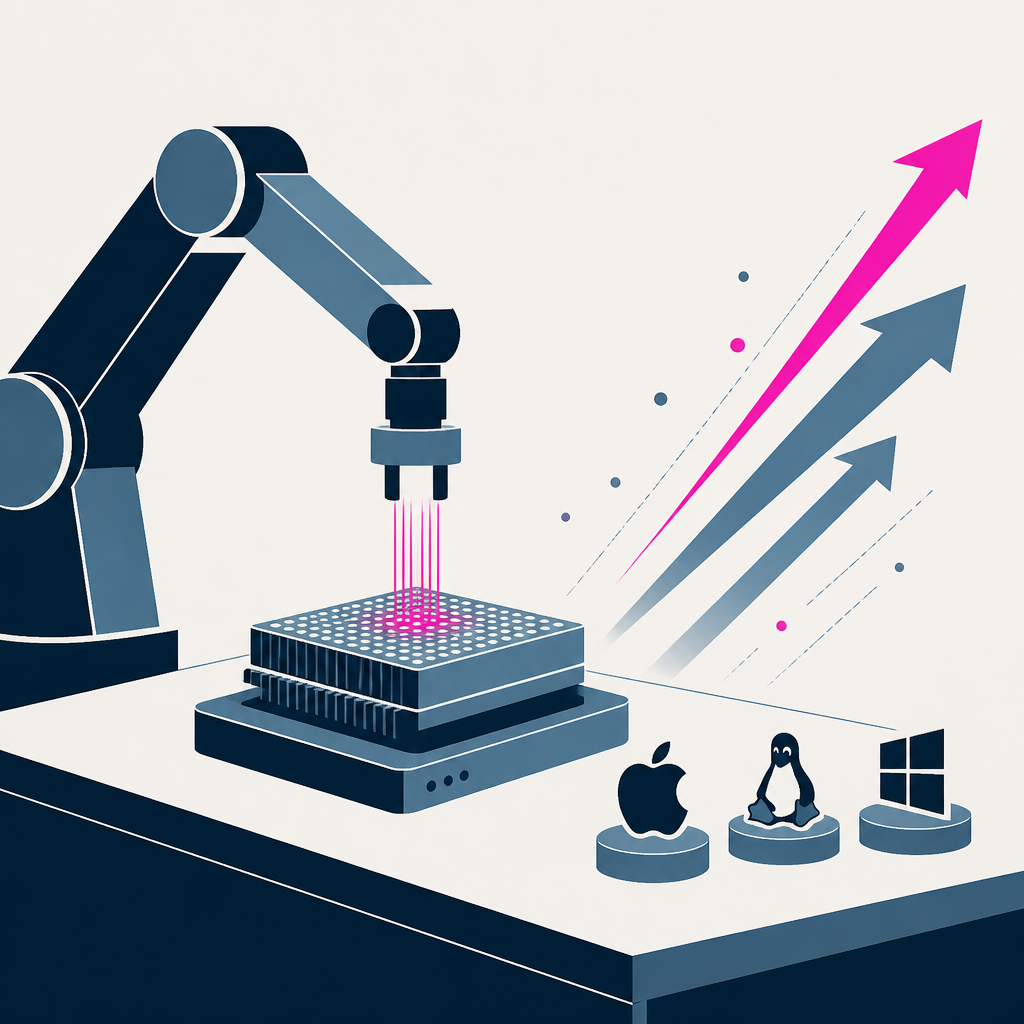
Magnitude, a self-optimizing inference engine for local agents, was launched as open source software and claimed to run on Mac, Linux, and Windows across hardware. In benchmarks versus llama.cpp on Qwen 3.6 35B (4-bit) with a 64k context on a Metal setup, decode speed increased from 30 tok/s to 57 tok/s (92% faster). As a result, users can run agent sessions faster with lower per-agent memory use, while the desktop app auto-starts models on demand and shuts them down after inactivity.
Consumer AI products such as Meta’s Muse, OpenAI’s Dots, and Instinct are getting renewed attention even as analysts warn the business economics are not improving fast. As of May, 2.2% of consumers were paying for AI services at an average of $31 per month, which still falls far below break-even levels. The industry response is shifting toward enterprise and vertical-by-vertical deals, which limits how much consumer-focused companies can grow without selling to businesses.
A webinar post argues that AI agents that perform well in demos can fail in real production when their supporting data and context don’t match the controlled demo environment. October 14 is the date given for Arango COO Ravi Marwaha’s session on six data requirements to move agents from demo to production. The focus shifts from showcasing retrieval/RAG in a test setup to fixing production data architecture issues like changing sources, permissions, and business context.
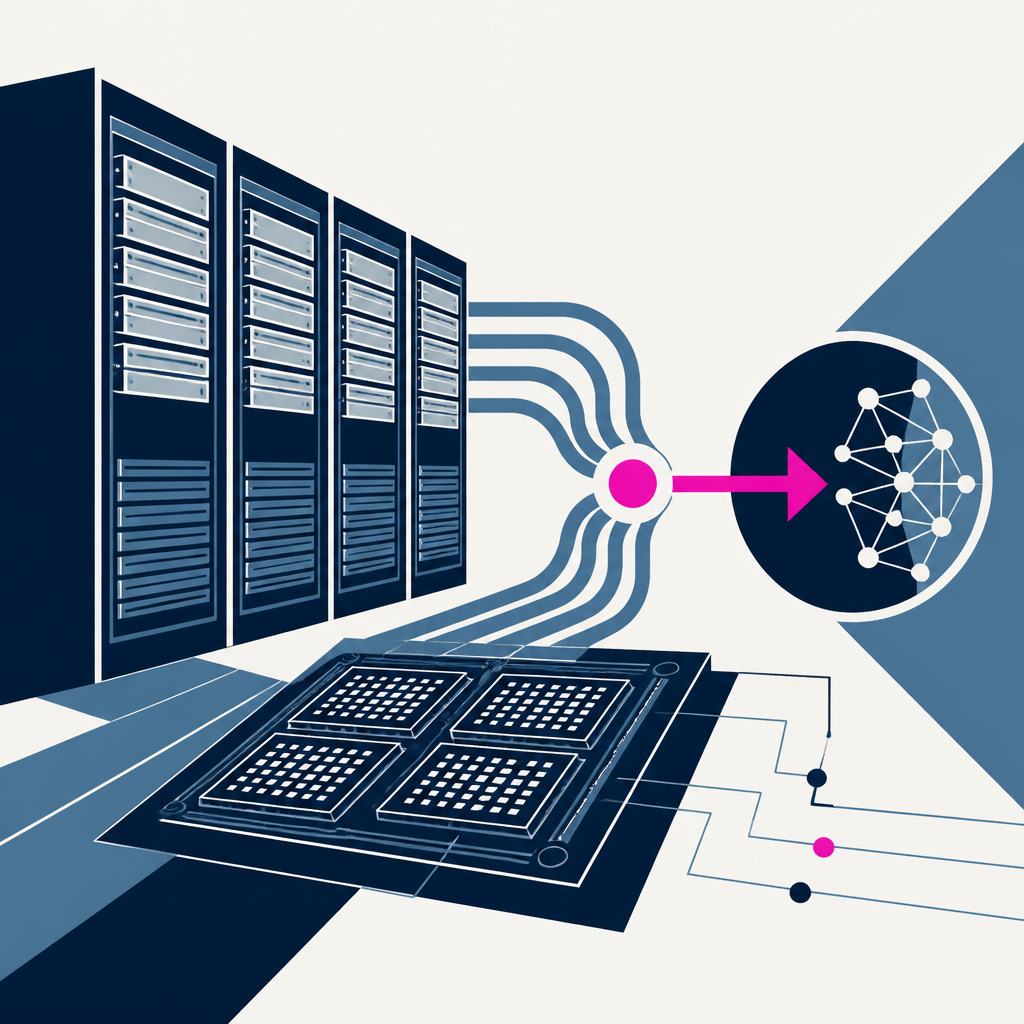
CoreWeave announced that Cognition can run production workloads on NVIDIA Vera Rubin NVL72 and that CoreWeave is making Vera Rubin availability and NVIDIA Vera CPU support available via CoreWeave Cloud. Cognition reported up to a 4.8x increase in total token throughput for SWE-2 inference on Vera Rubin NVL72 versus a GB200 NVL72 baseline. CoreWeave launched CoreWeave Forge to connect production observability back into training and evaluation, changing the workflow so model and agent improvements can happen in a unified loop.
AI shopping agents that can compare and buy without viewing or clicking ads threaten the traditional advertising model built on human browsing of banners and sponsored results. The article cites that Google traffic to more than 2,500 news sites fell by one third worldwide within a year and by 38% in the US, and that Reuters Institute surveyed executives expecting another 43% drop over the next three years. As a result, major platforms and publishers are shifting toward monetizing agent-driven commerce via subscription fees, transaction commissions, or pay-for-results, plus new commerce and advertising protocols that let ads plug into the agent decision process instead of the user’s screen.
A Tapestry VC partner argued that the current safety debate around large-language models misses risks from physical “AI” systems. The article cites a 26% figure related to how something changed. As a result, it pushes the discussion toward physical-world risks rather than focusing only on model behavior.
Every AI story that matters,
in your inbox by 8am.
TLDRocket reads all relevant sources, removes duplicate coverage, and summarises the
day in two minutes. Follow companies and topics for alerts, or get the
briefing in Slack. Free, no spam, unsubscribe anytime.
Reading TLDRocket needs no cookies, and the readership counts we rely on come from
our own cookieless analytics. Google Analytics is the exception: it sets cookies and
reports to Google, so it stays switched off until you allow it. You can change your
mind any time from “Cookie settings” in the footer.
Strictly necessary
Session security and form protection (tldrocket-session,
XSRF-TOKEN, 2 hours). The site cannot work without them,
so they need no consent.
Always on
Google Analytics 4 (_ga,
_ga_<id>, up to 2 years). Measures which
stories and sections readers use. Google acts as a third-party processor and may
store the data outside the EU. No advertising, no profiling, no data sold.