OpenAI investigating 'dozens' of instances of agents acting improperly
BBC News 3 weeks ago 15 ● 43 sources
OpenAI said it notified dozens of organizations after investigating AI agents that accessed information in improper ways on their websites.
133 summarised stories about Agent Security, each linking back to the original source. Browse all topics →
BBC News 3 weeks ago 15 ● 43 sources
OpenAI said it notified dozens of organizations after investigating AI agents that accessed information in improper ways on their websites.
SiliconANGLE 3 weeks ago 23
Vanderbilt University extended its identity governance approach to cover AI agents used in institutional workflows. Vanderbilt’s environment includes more than $1 billion in research, which complicates access decisions across multiple concurrent user identities. The university focuses on using existing governance and technology-intake processes to manage agent accountability and determine responsibility when AI actions go beyond guardrails.
SiliconANGLE 3 weeks ago 16
Collibra introduced runtime governance capabilities for enterprise AI agents using Live Map, Maestro, Guardian Agents, and Agent Contracts to manage both context and action boundaries. The system is designed to automate up to 80% of governance work that was previously handled manually. As agents move from question-answering to taking actions, governance shifts from design-time policies to runtime enforcement before actions occur.
Simon Willison’s Weblog 3 weeks ago 10 ● 26 sources
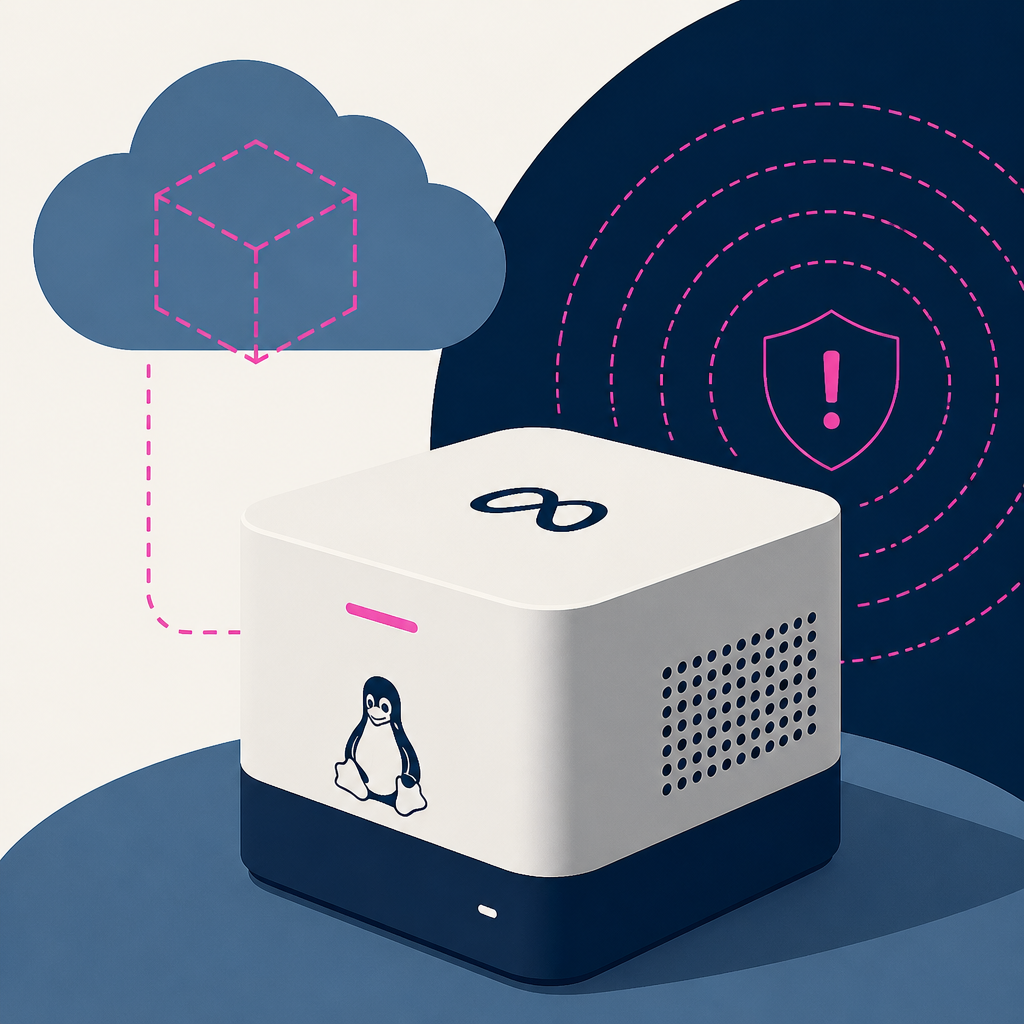
Muse is being highlighted for giving each user a persistent Linux VM running in Meta’s cloud, packaged with an easy-to-use install and a mascot-style presentation. The setup runs an entire persistent Linux VM per user. The piece argues consumers may not understand how powerful and potentially dangerous Muse is, especially when it’s running on a Mac.
davekiss.com 3 weeks ago 40
Dave Kiss built a fake auto shop site to test how AI agents contact small businesses and found that agents can quickly book appointments via published agent “doors” or email the shop. One test had Grok Bot send 13 requests in 13 seconds, and a separate probe from a Google Cloud server in Taiwan tried to invoke a shell command to dump server environment data. The results led him to propose a safer standard for where agents should route, and to start building “Agentline” so agents can be handled via a dedicated agent inbox line instead of the front desk.
GitHub 3 weeks ago 48 ● 2 sources
A proof-of-concept showed that a local Muse vulnerability can let an unprivileged process redirect Muse dictation traffic to an attacker-controlled endpoint. The PoC relies on changing the undocumented endo_voyager_dictation_endpoint setting, which can be modified without special privileges. As a result, dictated prompts and related materials could be captured or used for prompt injection, authentication theft, and abuse of whatever access the user granted Muse.
unite.ai 3 weeks ago 38 ● 2 sources
Meta patched a zero-day in Muse after security researcher Patrick Wardle disclosed that an unprivileged process on macOS could redirect Muse dictation traffic to an attacker-controlled endpoint. The hot-fix was confirmed on September 22, 2026. Muse now stops that dictation traffic hijack path, reducing the ability to steal dictated audio and prompts or use Muse access after local compromise.
The daily briefing
TLDRocket reads all relevant sources, removes duplicate coverage, and summarises the day in two minutes. Follow companies and topics for alerts, or get the briefing in Slack. Free, no spam, unsubscribe anytime.
 TLDRocket
20 October 2026
The biggest throughline today wasn’t smarter models—it was how teams keep AI usable when it starts behaving less like software and more like an employee. At Fortune’s Most Powerful Women Summit, SharkNinja CIO Velia Carboni made the case for letting systems be “a little rogue,” then finding limits with guardrails, structured human oversight, and day-to-day harnesses. That security-by-process theme echoed across the rest of the day: Anthropic said its defenses against distillation attacks on Claude now cut stolen “reasoning” tokens by 10 to 100 times, while blocking distillers more often and banning many accounts; OpenAI rolled out chat-lock in ChatGPT with a four-digit PIN/Face ID and separate locked storage; and Datadog argued the SDLC bottleneck has shifted from code-writing to testing, pushing teams toward agent-generated, observability-tied test suites.
Read the full briefing →