Meta released Muse Code, a terminal agent designed to handle long-horizon coding tasks autonomously. The system can interact with command-line interfaces and files to complete multi-step programming workflows. This enables developers to delegate extended coding projects to AI agents rather than managing each step manually.
Mobileye deployed an AI support agent on Amazon Bedrock AgentCore to automate routine internal ticket inquiries, reducing response times from hours to approximately 1 minute while achieving 98% accuracy. The agent uses Anthropic Claude models accessed through Mobileye's governed LLM Gateway and the Model Context Protocol to query production systems in real time, automating 66% of support ticket volume. The successful deployment prompted Mobileye to build an internal platform enabling other teams across the company to deploy their own AI agents without requiring AWS expertise or cloud credentials.
A team built an MCP bridge to let their cloud-hosted AI agent on Amazon Bedrock access local MCP tools running on users' machines, solving the gap between remote AI clients and local servers. The internal system has handled over 41,000 conversations in a year, using WebSocket tunneling between the cloud agent and a local FastMCP proxy that communicates with MCP servers via stdio. Users can now run centrally deployed AI agents that act on local files like Excel spreadsheets while drawing context from their browser, with no credentials leaving their machine.
Amazon Web Services released an open-source n8n community node that integrates Bedrock AgentCore, enabling users to build production AI agents with persistent memory, tool access, and multi-model support directly in n8n's visual editor without writing infrastructure code.Node version 0.3 is now available and works with Amazon Bedrock, OpenAI, Google Gemini, and LiteLLM-supported providers, with agents running in isolated sessions and supporting features like code interpretation, skills from AWS catalogs, and private VPC deployment.Teams can now deploy agents with managed memory, real tools like code sandboxes and web browsers, and model flexibility without building the orchestration layer themselves, reducing the infrastructure work required for production AI systems.
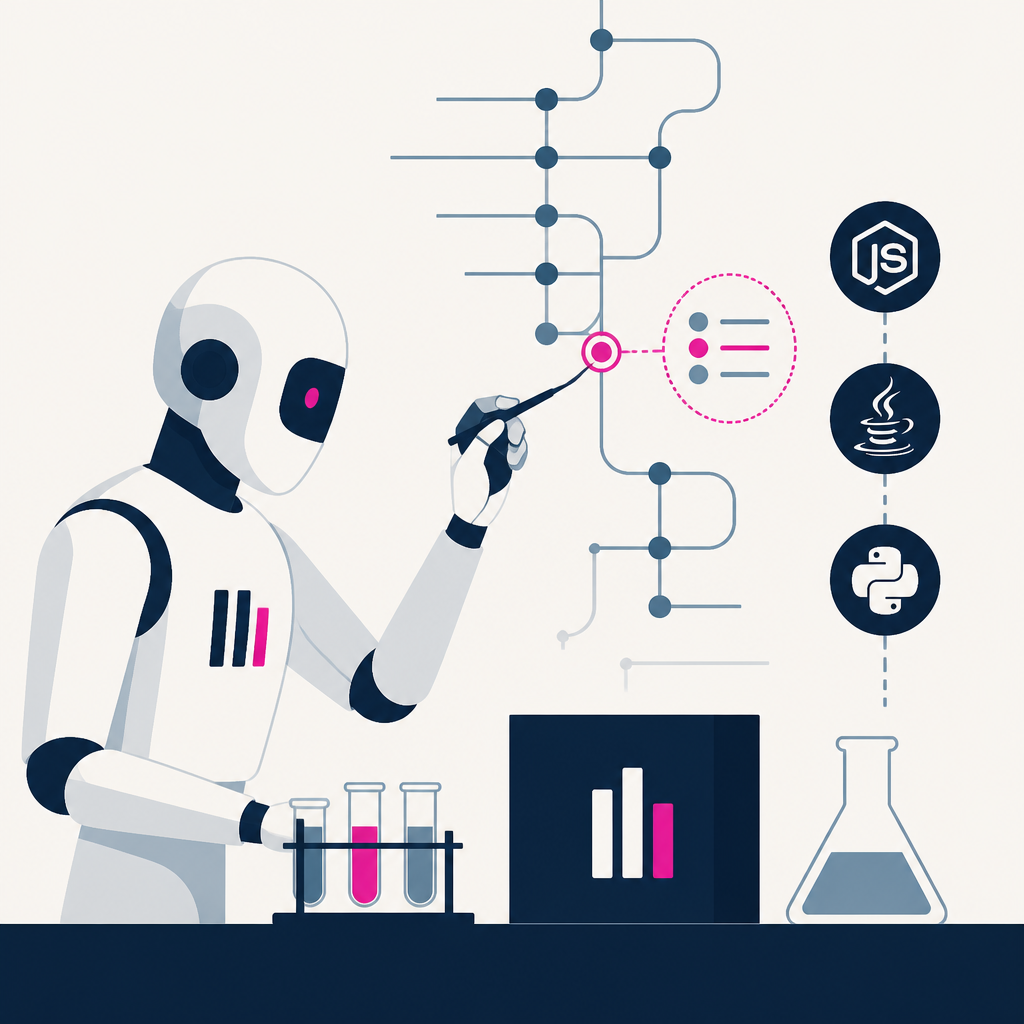
HyperProbe, a YC S26 startup, built a tool that lets AI coding agents safely debug production issues by placing virtual breakpoints in running code without pausing or redeploying. The SDK supports Node.js, Java, and Python, capturing variable values on-demand when traffic hits instrumented lines while redacting sensitive data in-process. Engineers can now ask agents to diagnose prod incidents with real runtime state instead of incomplete logs, reducing token burn and eliminating the slow add-log-redeploy cycle.
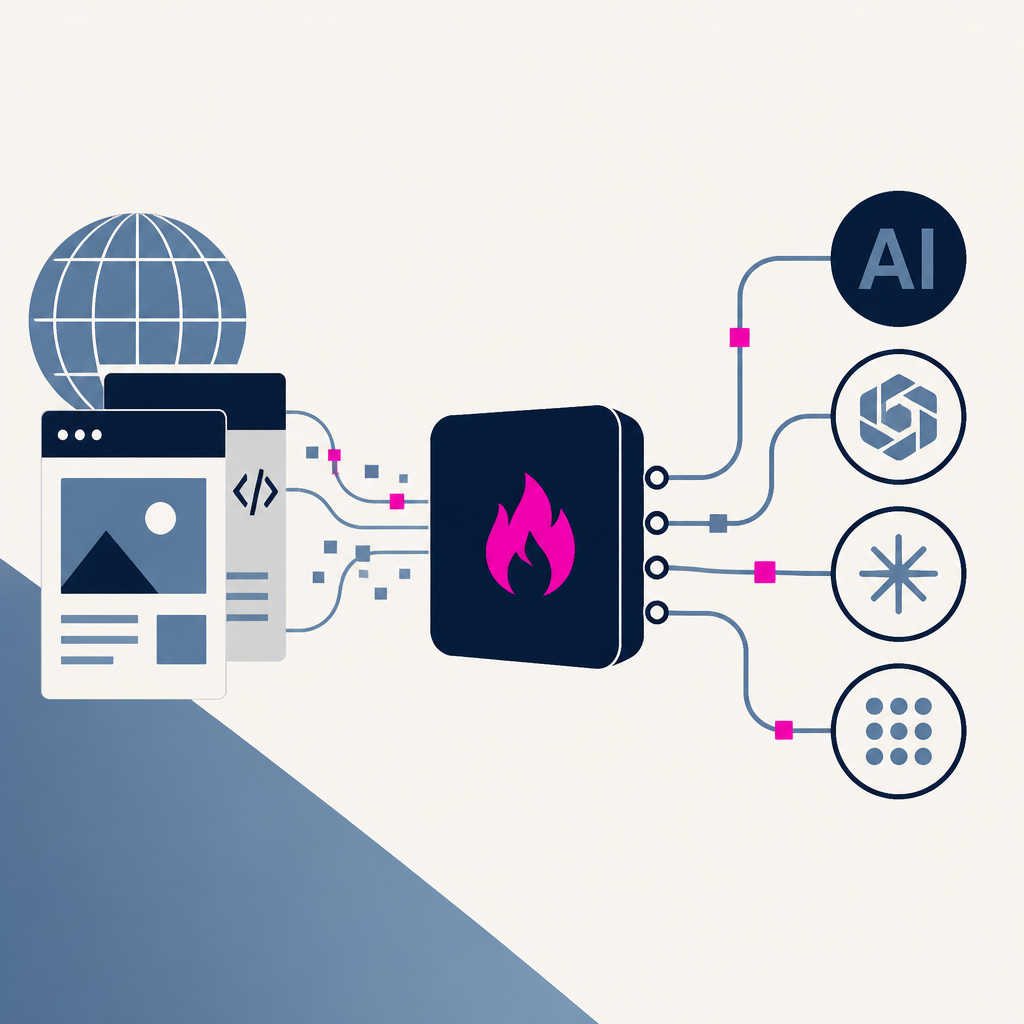
Anthropic released Firecrawl MCP, a model context protocol server that enables AI agents to extract and process web content efficiently. The tool integrates with any MCP-compatible client and handles complex web crawling tasks like JavaScript rendering and content parsing. Developers can now build agents that reliably interact with websites without writing custom web scraping code.
Cloudflare announced Cloudflare Wallets, a system enabling AI agents to autonomously purchase APIs and services using stablecoin micropayments without human intervention. Virtual Wallets let agents spend up to a limit set by humans, such as $10 per agent or $100 per week per employee, while Account Wallets let humans delegate spending authority and set guardrails. The wallet system pairs with Cloudflare's Monetization Gateway and x402 micropayment protocol to create a machine-native marketplace where agents can discover and pay for services directly.
Every AI story that matters,
in your inbox by 8am.
TLDRocket reads all relevant sources, removes duplicate coverage, and summarises the
day in two minutes. Follow companies and topics for alerts, or get the
briefing in Slack. Free, no spam, unsubscribe anytime.
Reading TLDRocket needs no cookies, and the readership counts we rely on come from
our own cookieless analytics. Google Analytics is the exception: it sets cookies and
reports to Google, so it stays switched off until you allow it. You can change your
mind any time from “Cookie settings” in the footer.
Strictly necessary
Session security and form protection (tldrocket-session,
XSRF-TOKEN, 2 hours). The site cannot work without them,
so they need no consent.
Always on
Google Analytics 4 (_ga,
_ga_<id>, up to 2 years). Measures which
stories and sections readers use. Google acts as a third-party processor and may
store the data outside the EU. No advertising, no profiling, no data sold.