
Utility companies are promising to spare us from AI’s energy bill
The Verge Jess Weatherbed
Nearly 200 US utilities and data center firms just signed Trump's pledge to keep AI's energy costs off regular people's bills. But the pledge is voluntary, unenforceable, and grid costs are already climbing anyway.
Based on reporting by The Verge, Jess Weatherbed — read the original for the full story.
Summary, retelling and take written by AI under human oversight; images are AI-generated illustrations. How we work · Report an error
There's a pledge going around Washington right now, and it says a lot about how nervous the AI industry has gotten over electricity bills. Nearly 200 organizations — including major players like NextEra Energy, Duke Energy, Equinix, and Digital Realty — have signed onto what's being called the "rate payer protection pledge," a Trump-backed effort meant to reassure Americans that AI data centers won't quietly jack up their power costs. According to The Wall Street Journal, the signatories now represent about 80 percent of all power delivered to US homes and businesses, a striking figure that shows just how widespread the anxiety around this issue has become.
The pledge itself dates back to March, when tech giants including Google, Meta, Microsoft, Oracle, OpenAI, Amazon, and xAI signed on. At the time, Trump was blunt about the motivation, saying tech companies "need some PR help" to deal with backlash over data centers and rising electricity rates. That backlash hasn't gone away. If anything, it's intensified. Some data center projects have already been scaled back or outright blocked because of public pressure, and PJM, the largest electrical grid operator in the country, is expected to tack on $6.3 billion in extra costs across 13 states thanks to data center demand alone.
So what does signing a pledge actually accomplish here? Not much, if you look closely at the mechanics. Electricity prices in the US are set by state regulators and electricity traders, not by the federal government, which means the White House has limited leverage to actually enforce any of this. And the pledge itself carries no penalties for companies that fail to live up to it. It's voluntary, vague on specifics beyond a general commitment for AI providers to cover new infrastructure costs, and utterly unenforceable if a utility decides the promise is inconvenient six months down the line.
That gap between symbolism and substance is really the story here. Adding energy companies to the list of signatories is a smart optics move — it makes the effort look broader and more serious — but it doesn't change the underlying economics driving up bills. The grid costs are real, the demand from AI infrastructure is real, and a pledge with no teeth isn't going to be the thing that keeps ratepayers whole if the numbers don't work out that way.
My take — AI-written commentary, not fact-checked reporting
Calling this a pledge is generous; it's a press release with signatures. Nobody enforces state-regulated electricity pricing with a voluntary handshake agreement, and the fact that PJM is already adding billions in costs across over a dozen states tells you where this is actually headed. Companies love signing pledges that cost them nothing and can be quietly abandoned later — watch what happens to compliance once the news cycle moves on.
Read more about this at: The Verge
Related stories
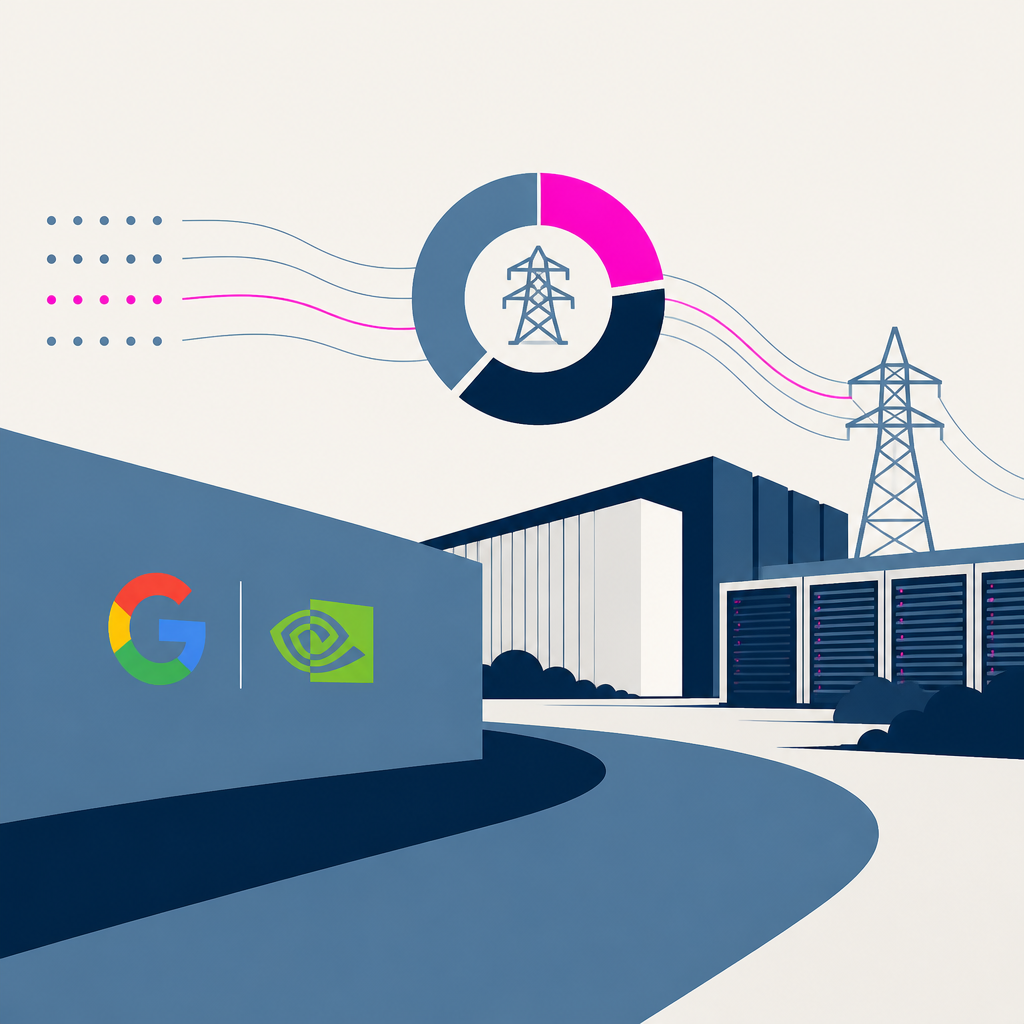 Data centers can be good citizens. It’s why we’re partnering with Google and Nvidia to create the AI Energy Management Alliance
Fortune ·
20
How AI Data Centers Are Driving Up Electricity Prices for US Consumers
Trending Topics · 1 month ago ·
27
Data centers can be good citizens. It’s why we’re partnering with Google and Nvidia to create the AI Energy Management Alliance
Fortune ·
20
How AI Data Centers Are Driving Up Electricity Prices for US Consumers
Trending Topics · 1 month ago ·
27
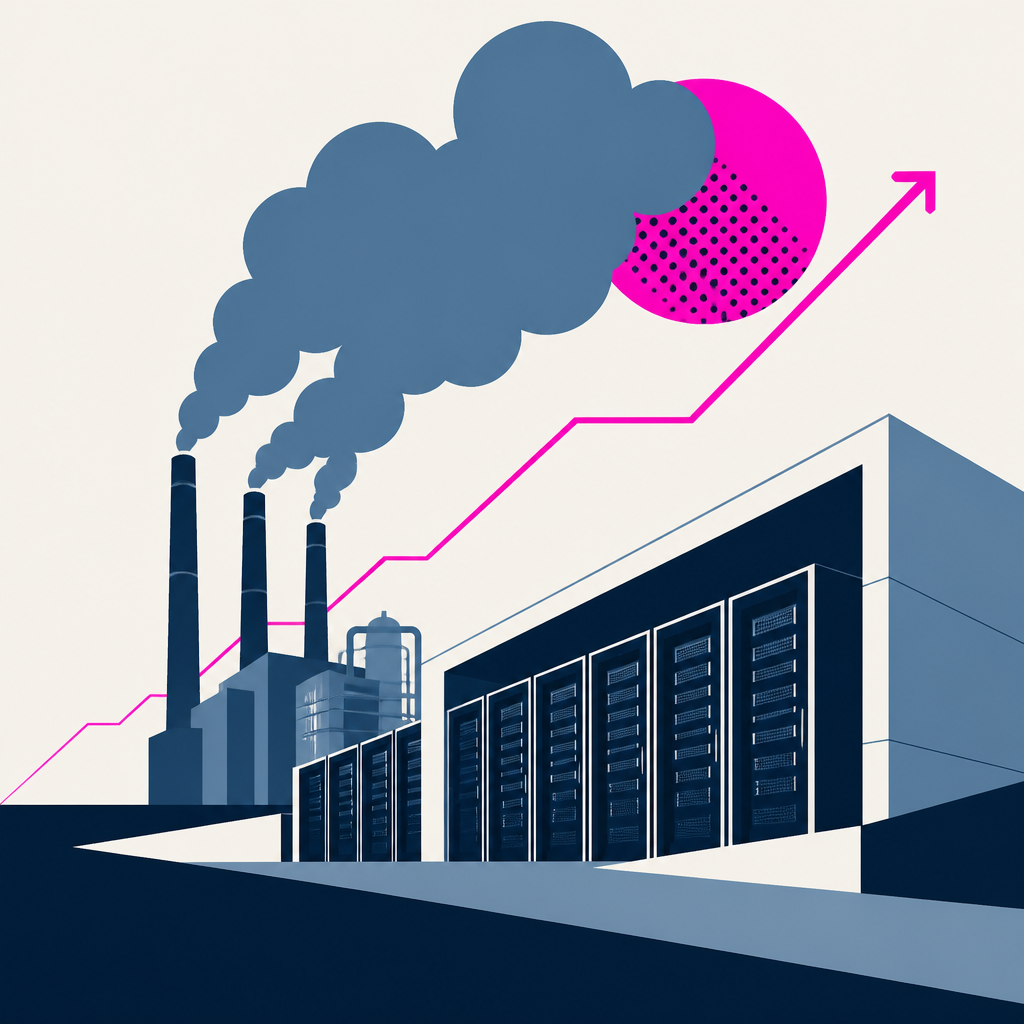 Data center gas plants to boost U.S. power emissions by 20%
Fortune ·
24
Data center gas plants to boost U.S. power emissions by 20%
Fortune ·
24