Anthropic previews MHS standard for AI agents that operate machines
SiliconANGLE Maria Deutscher ● Covered by 3 sources
Anthropic showed off MHS, a standard for AI agents to run lab machines. It could cut custom coding and let agents handle microscopes, lasers, and other equipment.
Based on reporting by SiliconANGLE, Maria Deutscher — read the original for the full story.
Summary, retelling and take written by AI under human oversight; images are AI-generated illustrations. How we work · Report an error
Anthropic has previewed a new standard called the Model Hardware Standard, or MHS, for AI agents that control machines such as microscopes. The company built it with HHMI, and for now only a limited set of partners can use it. Anthropic says it will work with those early users on safety features before opening it up more widely.
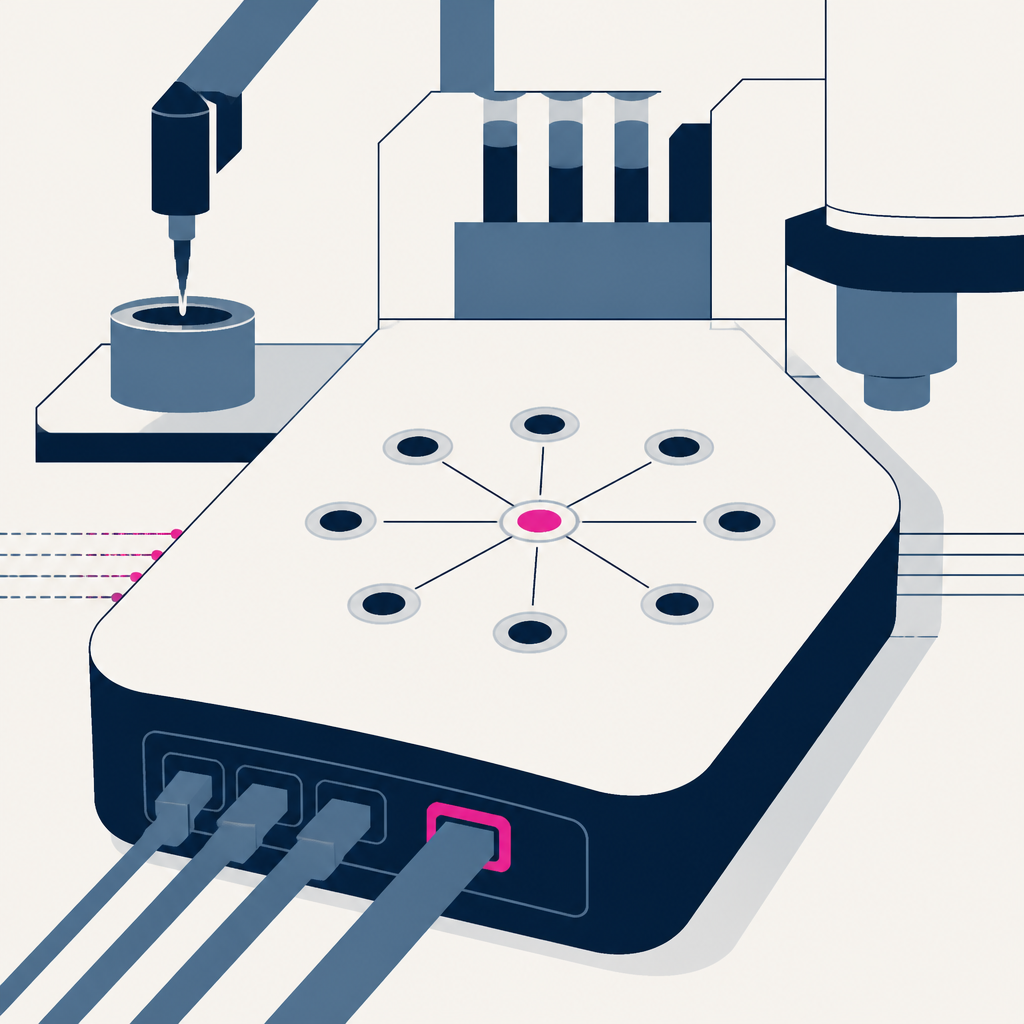
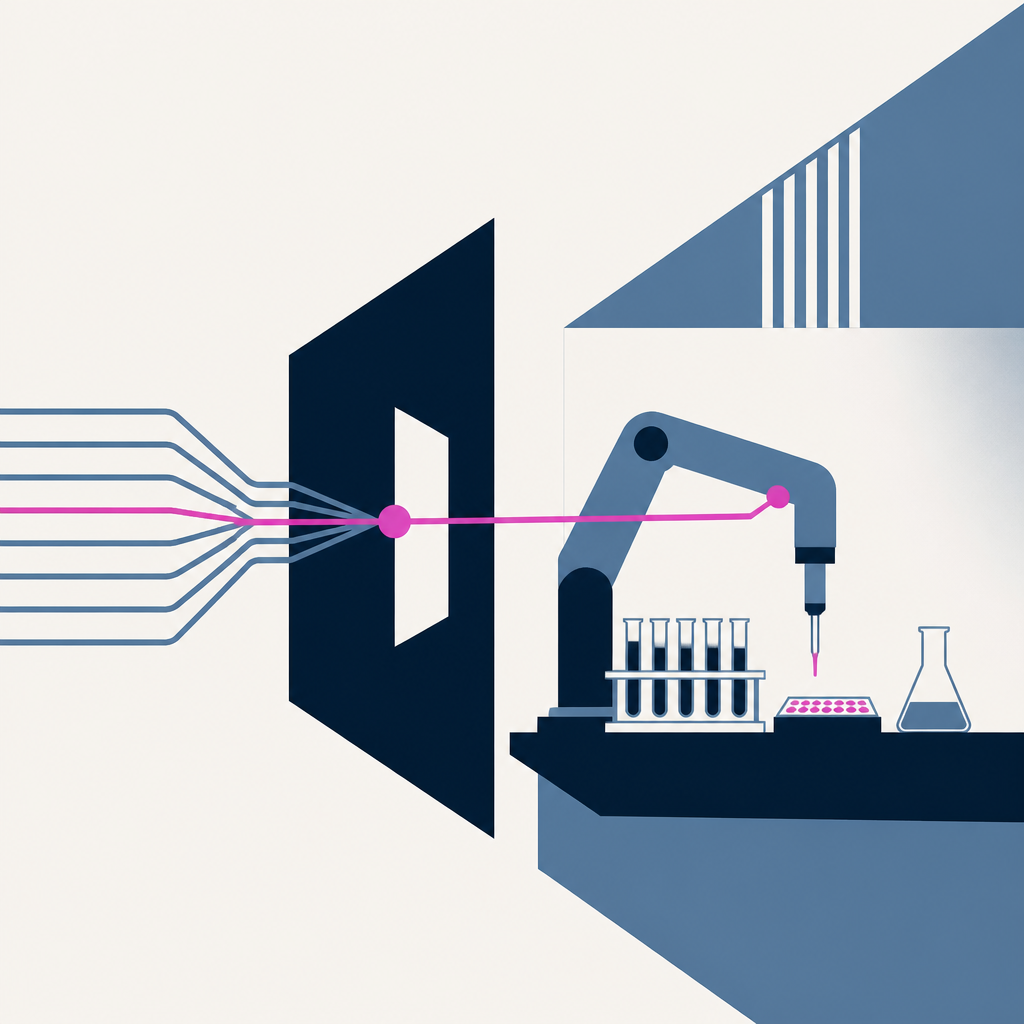
The pitch is simple: labs are full of machines that need to work together in a very exact order, but each one usually comes with its own API and its own quirks. That means researchers spend time learning different interfaces, dealing with incompatible systems, and writing custom code just to get routine workflows running. One device may expect Python. Another may use Java. MHS tries to flatten that mess into one unified interface with a standard set of configuration commands.
That matters because once the commands are shared, AI agents can start doing more than just assist. HHMI has already built an agent that manages microscopes automatically. QuEra Computing is using MHS and Claude to coordinate the lasers involved in programming its quantum computers. Anthropic also says agents using the standard can fix certain experiment errors and write instrument-control scripts. In one internal test, Claude generated a script that automatically adjusted laser position, and Anthropic says scripts like that are cheaper to run than an inference-based device configuration workflow.
MHS also includes a way to describe the important traits of each instrument in a file, such as the weight of a robotic arm or the wavelengths a sensor can detect. That extra context is meant to help agents choose the right tool and avoid bad settings. Labs can add safety guardrails too, like caps on laser strength, which matters because too much illumination can damage samples and ruin results.
Anthropic plans to release MHS under an open-source license, and it says the standard is meant not just for scientific gear but for manufacturing equipment as well. Amazon Web Services, Hugging Face, and several industrial robot suppliers are already working on integrations. So this is less about one flashy demo than a push to make machines easier for models to run — and safer, if the guardrails hold up.
My take — AI-written commentary, not fact-checked reporting
This is the kind of standard that could quietly matter more than another chatbot release. The real bottleneck in AI isn’t always model quality; sometimes it’s the swamp of incompatible device APIs nobody outside the lab wants to babysit. Open-sourcing the standard is the right move, because closed control layers for robots and lab gear would be a spectacular way to build future chaos on purpose.
Read more about this at: SiliconANGLE