Anthropic Opens a Research Preview of the Model Hardware Standard (MHS): A Shared Specification for AI Agents to Safely Operate Physical Devices
MarkTechPost Asif Razzaq ● Covered by 3 sources
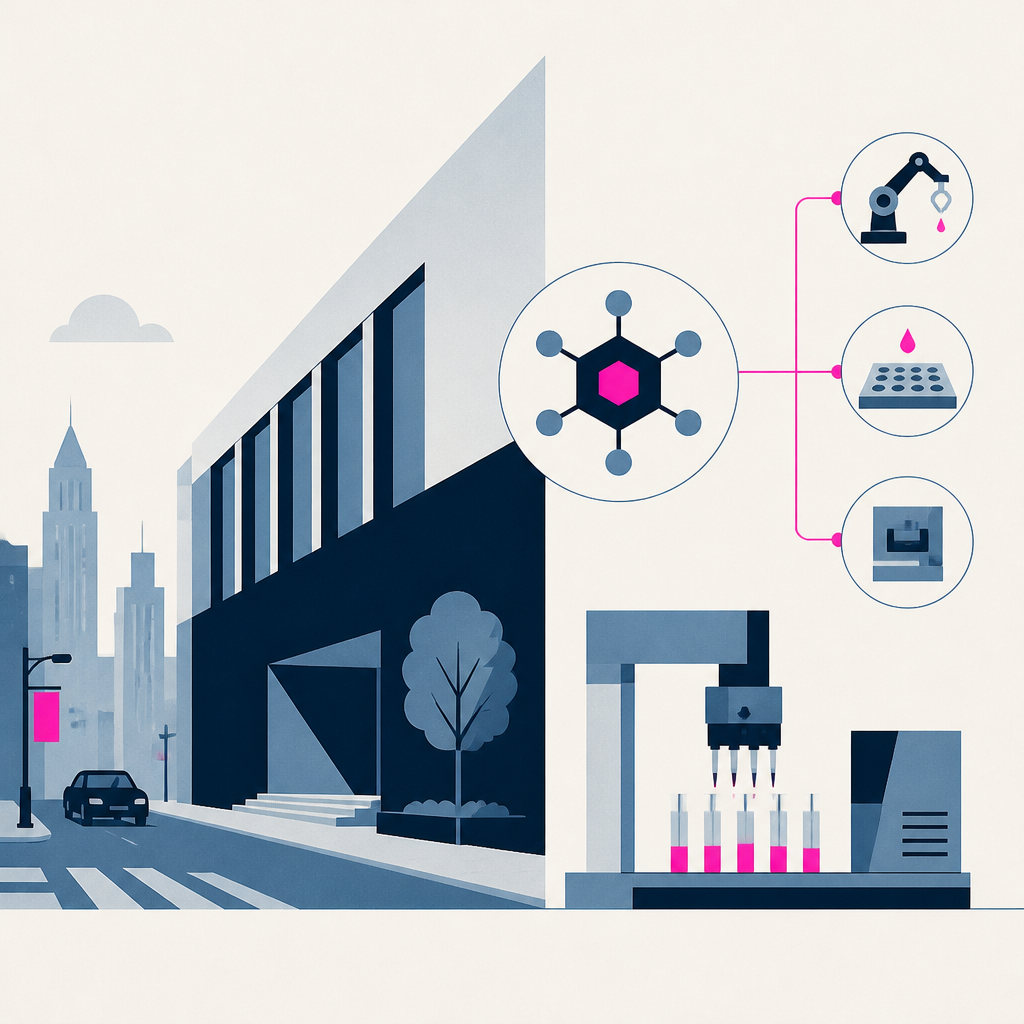
Anthropic put out a preview of MHS, a shared way for AI agents to run physical devices. It could cut lab setup from weeks to hours, but it’s still gated and needs supervision.
Based on reporting by MarkTechPost, Asif Razzaq — read the original for the full story.
Summary, retelling and take written by AI under human oversight; images are AI-generated illustrations. How we work · Report an error
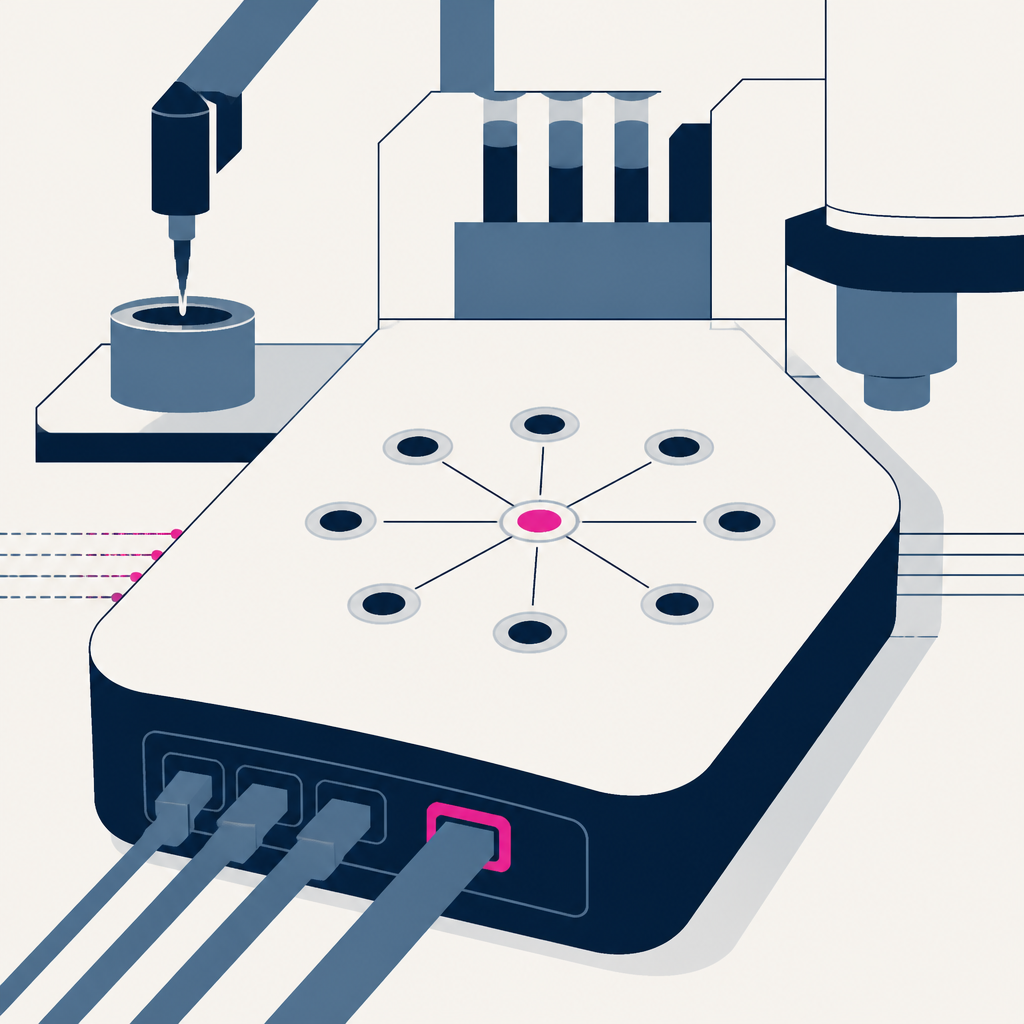
Anthropic has opened a research preview of the Model Hardware Standard, or MHS, a shared specification meant to let AI agents discover and operate physical devices without a maze of custom glue code.
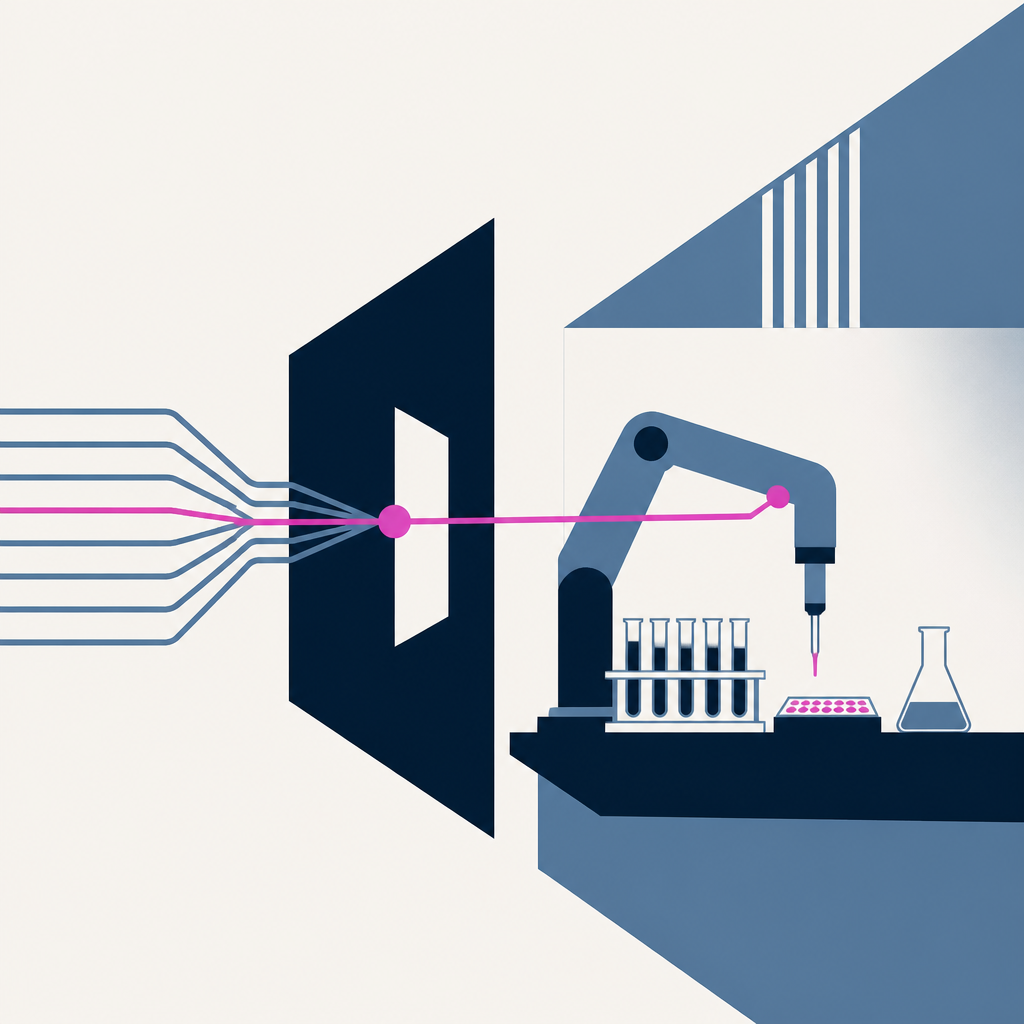
The problem it is aimed at is plain old integration pain. Labs and factory setups are usually stitched together from gear made by different vendors, each with its own interface. That leaves specialists writing translators one pair of devices at a time, and Anthropic says the setup process typically takes weeks to months. With MHS, the company says that drops to hours or minutes.
MHS standardizes the driver layer between software and hardware. It uses a small set of primitives — read, write, and discovery — so an agent can find a device, query it, and change it across a network without a translator in the middle. The spec also handles details code alone does not capture, like the weight of a robot arm. Users can write driver tags in natural language, or let an agent ask questions about the setup, and the driver turns that into a reference file covering what the device measures, what can be adjusted, and which safety limits apply.
Control can run through the Model Context Protocol, a CLI, or code files, and Anthropic says the standard is model-agnostic, so any agent harness that speaks the right protocols can use it. The point is not just convenience. Safety rules live in the driver, not inside a prompt that can wander off and forget where the emergency stop is.
The early partner results are the real sales pitch. Genentech used MHS to automate a BCA protein assay across a liquid handler, a robotic arm, and a plate reader, with Claude trialing dyed liquid transfers and converging on settings that its automation experts said looked reasonable. QuEra Computing saw a more dramatic shift: a laser-relock script that had taken a four-person team months to build and worked about 58% of the time was replaced by an agent loop that ran overnight and produced a deterministic Python script recovering the lock 695 times out of 700, or 99.3%.
Carnegie Mellon reported dose-response experiments running about three times faster, including a full driver-writing-to-curve workflow in about eight hours. The agent also rejected a bad fit and reran the experiment on its own, and six induced fault conditions were stopped before any device moved. At the University of Washington, a PhD student connected six instruments in under a week, while Janelia turned a seven-program microscopy routine into a single dashboard click.
My take — AI-written commentary, not fact-checked reporting
This is the right kind of boring: a standard, not another demo reel. The AI industry loves pretending prompts are control systems; MHS pushes the messy part into a spec where safety can at least be inspected instead of hoped for. That’s the useful move, even if the hype crowd would rather have a robot do a backflip.
Read more about this at: MarkTechPost